Anti Aging Moisturizer: How To Choose One That Works
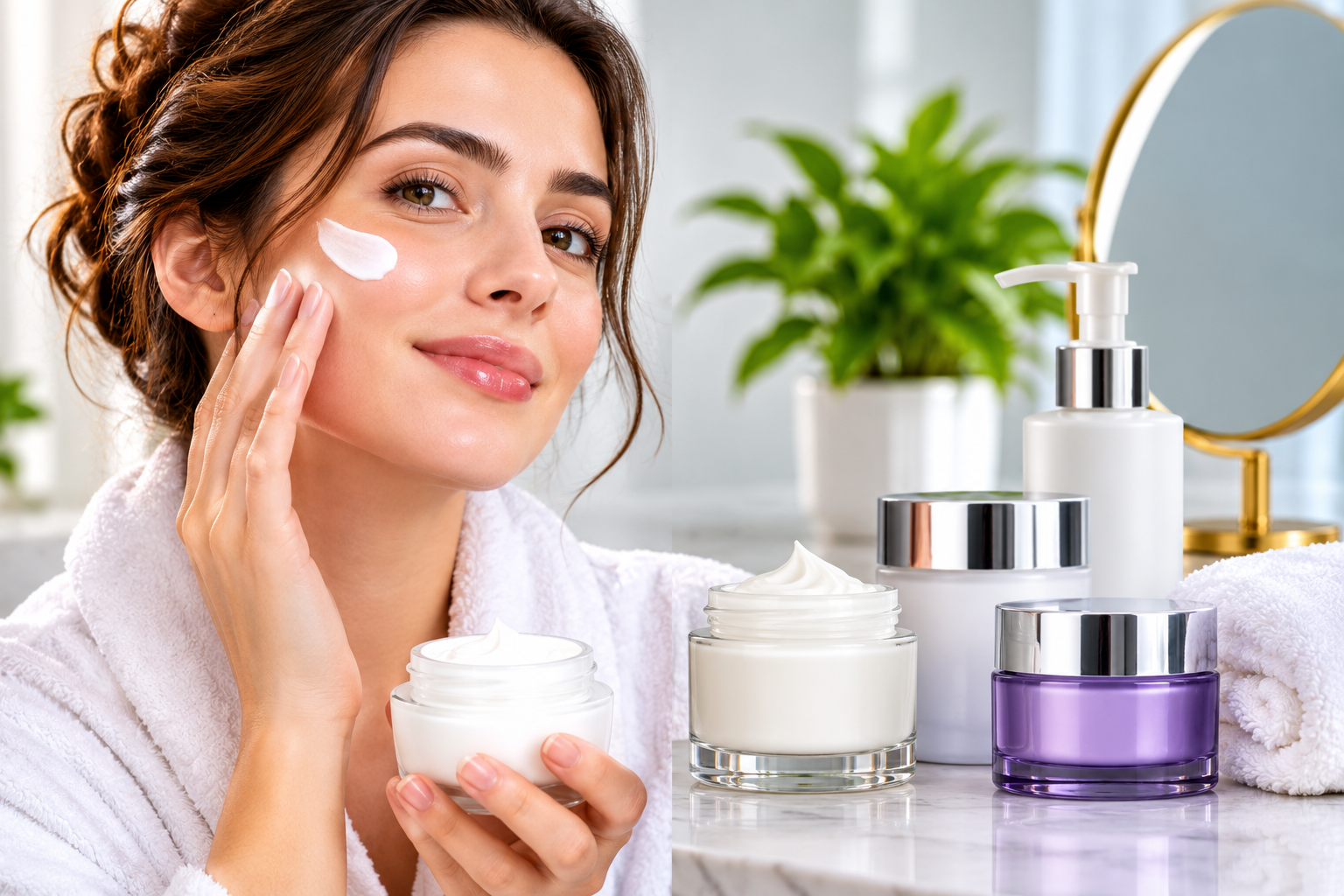
The skincare aisle is full of big promises. Wrinkle erasing, youth restoring, miracle creams. The truth is simpler. A good anti aging moisturizer hydrates your skin, protects your barrier, and works best with daily sunscreen. Here is how to choose one without wasting money.
What Does An Anti Aging Moisturizer Do?
It keeps skin hydrated, supports the skin barrier, and may add ingredients such as retinol or peptides to soften the look of fine lines. It cannot stop aging.
That is why dermatologist Dr. Kejal Shah says sunscreen and moisturizer are the two most effective anti aging products. Sun exposure speeds up skin aging, and moisture keeps skin comfortable and smooth.
Why Skin Needs More Moisture With Age
Dermatologist Dr. Whitney Bowe explains that skin naturally makes less hyaluronic acid and ceramides over time. As a result, skin becomes drier and loses water more easily. Hormonal changes and menopause can add to the dryness.
So a thin lotion that worked at 25 may feel too light at 50.
Key Ingredients To Look For
Look for a mix of ingredients that attract water and ingredients that seal it in.
-
Hyaluronic acid: pulls moisture into the skin so it looks plump and hydrated
-
Ceramides: support the skin barrier and help lock moisture in
-
Peptides: help skin look smoother and are usually gentle
-
Retinol: boosts cell turnover and collagen, which can soften fine lines over time
-
Niacinamide: calms redness and supports an even tone
-
Vitamin C: an antioxidant that protects skin from daily damage
-
Glycerin and squalane: add softness and reduce moisture loss
Bowe suggests a mature skin moisturizer should combine both: humectants like hyaluronic acid and lipids like ceramides, which work as a pair.
Ingredients To Be Careful With
Not every anti aging ingredient suits every face.
-
Fragrance and essential oils: they often irritate mature skin
-
Strong retinol: it can dry out and disrupt the barrier, especially on dry or sensitive skin
-
Too many acids at once: layering several exfoliating products can cause redness and stinging
If your skin already stings or feels tight, fix your barrier first. Our guide to skin barrier repair shows how.
How To Choose By Skin Type
Dry skin. Pick a rich cream with ceramides and hyaluronic acid. See our list of the best moisturizer for dry skin for more ideas.
Oily skin. Choose a lightweight gel cream with hyaluronic acid or niacinamide. Our guide to skincare products for oily skin can help.
Sensitive skin. Choose a fragrance free ceramide cream. Dermatologists say dry and sensitive skin does better with creams, since retinol can disturb the barrier. Add retinol slowly, if at all.
Mature or menopausal skin. Look for a richer formula with ceramides, nourishing lipids, and peptides.
Day Cream Vs Night Cream
In the morning, use a moisturizer plus a broad spectrum sunscreen with SPF 30 or higher. Shah recommends wearing it on exposed skin all year.
At night, switch to a richer cream. This is also the best time for retinol, since it can make skin more sun sensitive.
How To Use An Anti Aging Moisturizer
-
Cleanse your face gently
-
Apply the cream to slightly damp skin, so it holds more water
-
Spread it over your face and neck
-
Follow with sunscreen in the morning
-
Introduce retinol slowly, a couple of nights a week
Need help with order? See our guide to the skincare routine order. If you want a targeted step, our review of Riversol serums covers an anti aging option.
Is A More Expensive Cream Better?
Not always. Skin experts at Dermatica advise that you focus on ingredients and formulation, not the price tag. A fragrance free cream with ceramides and hyaluronic acid can match a luxury jar.
Before you buy, compare price per ml. Also wait for sales when you can. Our guide to Black Friday beauty deals shows what is worth buying.
Common Mistakes To Avoid
First, many people skip sunscreen and expect the cream to do everything. However, no moisturizer works well without sun protection.
Second, some people add retinol, acids, and vitamin C all at once. Instead, add one new product at a time.
Finally, do not judge a cream after three days. Give it a few weeks, and patch test on your jaw first.
Final Verdict
The best anti aging moisturizer is the one you will use every day. Look for hyaluronic acid and ceramides, avoid added fragrance, and always pair it with sunscreen. Add retinol or peptides only if your skin is comfortable and calm.
FAQs
Q1. At what age should I start using an anti aging moisturizer?
Ans. There is no set age. Dermatologists say daily sunscreen and good hydration help at any age.
Q2. Can I use retinol and moisturizer together?
Ans. Yes. A ceramide rich or hydrating moisturizer pairs well with retinol and can reduce dryness.
Q3. Do I need a separate eye cream?
Ans. Not always. The skin around the eyes is thinner, so some people prefer a gentle eye cream. Check the label if you want to use a face cream near your eyes.
Q4. Can I use an anti aging moisturizer in my 20s?
Ans. Yes, but a basic hydrating moisturizer with sunscreen is usually enough at that age.
Share:

Stephanie Moore
Stephanie Moore is a Content Editor at Woman With Us with 5+ years of experience in fashion, beauty, and lifestyle content. She edits and refines blogs to make them clear, engaging, and helpful for readers.
Reviews
No reviews yet!