Skin Barrier Repair: Signs Of Damage And How To Fix It
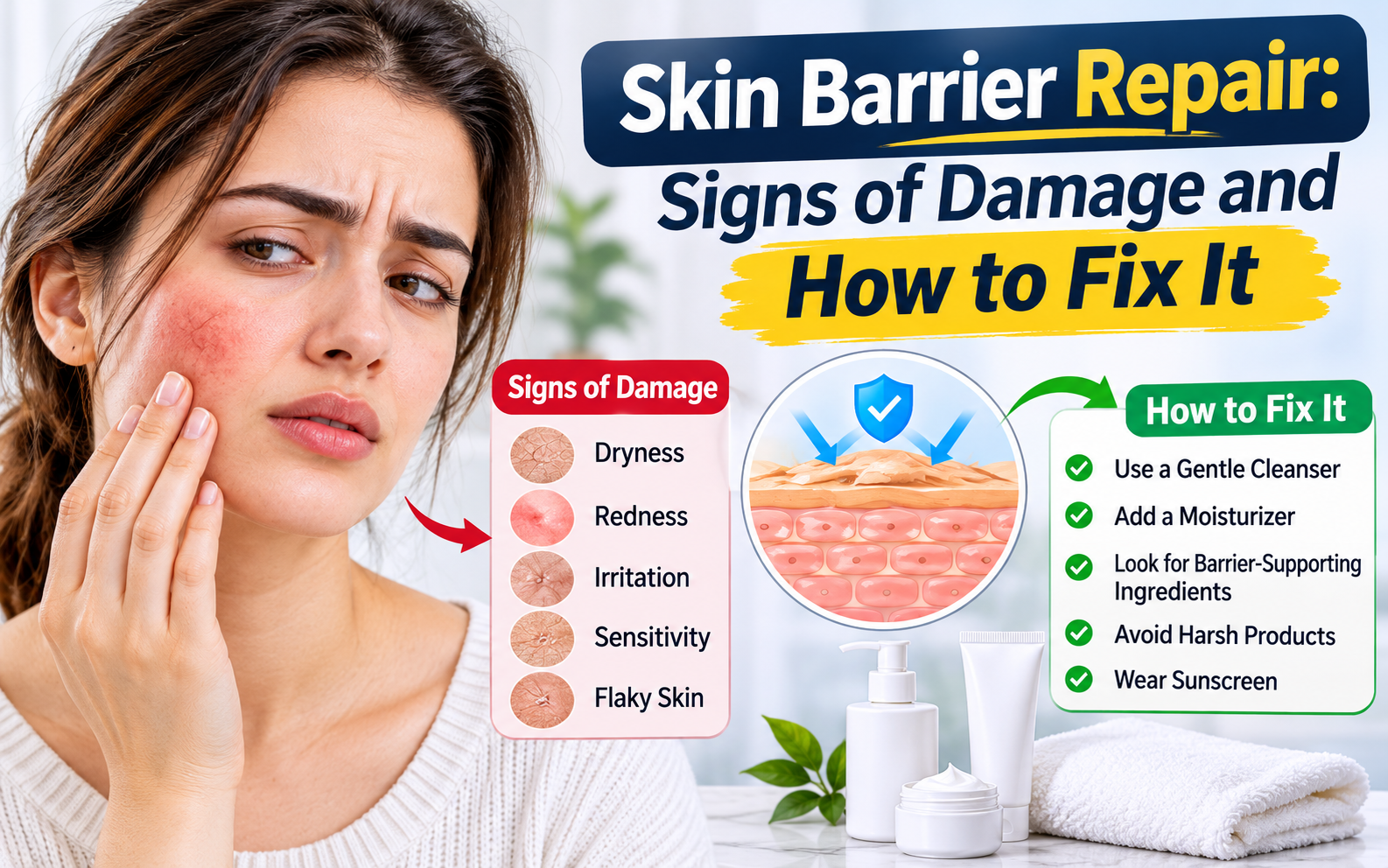
Does your skin sting, flake, or react to products it used to handle fine? Your barrier probably needs help. Skin barrier repair is one of the biggest skincare topics right now, especially as colder air arrives. This guide covers the signs of damage, the causes, and a simple routine that works.
What Is The Skin Barrier?
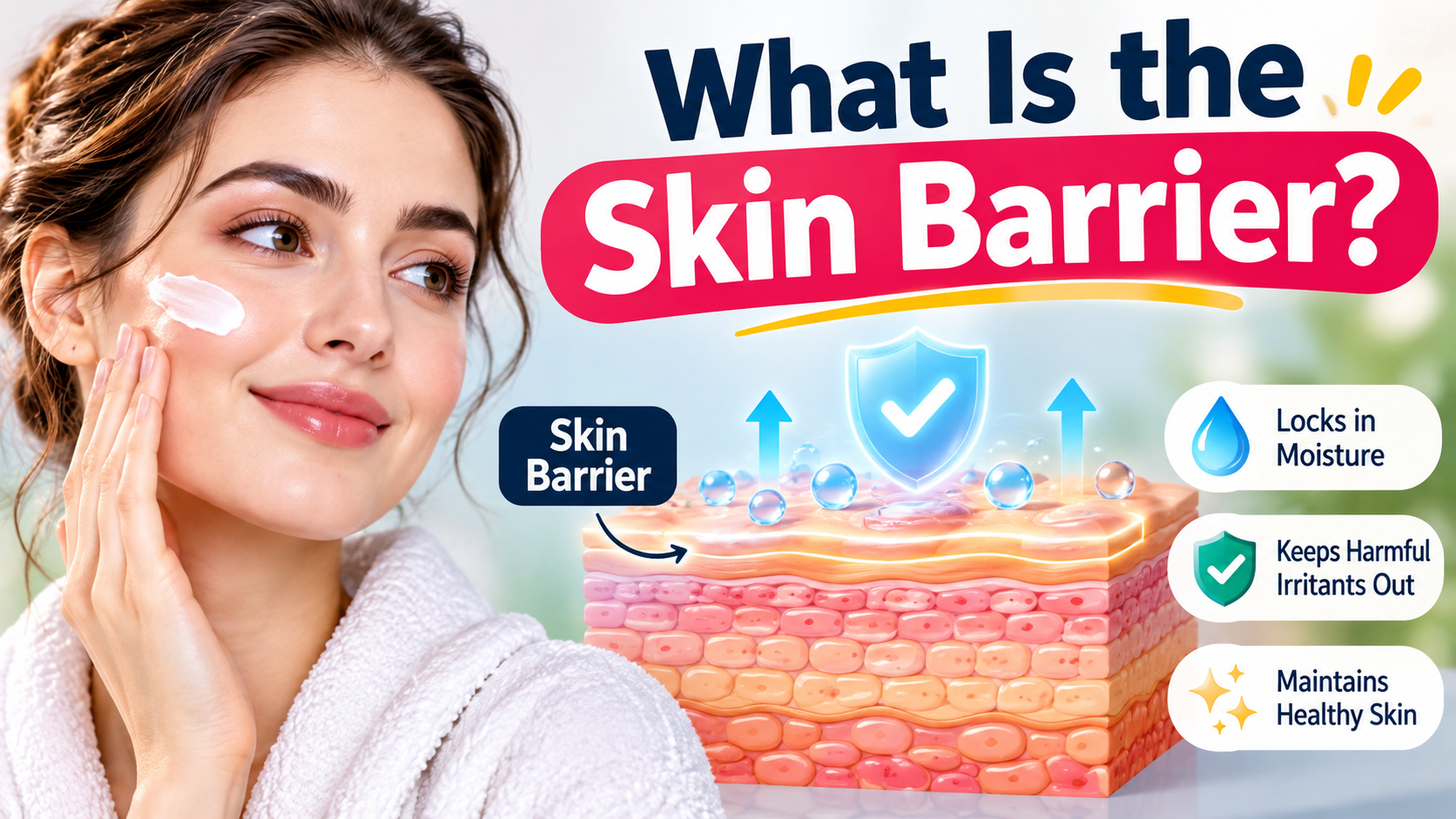
The skin barrier is the outermost layer of your skin. It keeps water in and keeps irritants, bacteria, and pollution out. Dermatologists often compare it to a brick wall. Skin cells are the bricks, and natural fats like ceramides hold them together.
When those fats run low, moisture escapes and irritation gets in. As a result, even gentle products can start to feel harsh.
How Do You Know If Your Skin Barrier Is Damaged?
A damaged skin barrier usually shows up as dryness, redness, stinging, burning, or sudden sensitivity. Consultant dermatologist Dr Magnus Lynch lists these same signs of an impaired barrier in his advice.
You may also notice other clues:
-
Skin feels tight right after cleansing
-
Rough, flaky, or itchy patches
-
Products that never bothered you now sting
-
More breakouts than usual
-
A dull, uneven tone
-
Fine lines that look more obvious
Here is a quick test. If plain water, a mild cleanser, or sunscreen suddenly irritates your skin, treat your barrier as damaged.
What Damages The Skin Barrier?

Most damage comes from doing too much. Skincare habits are the usual culprits, though weather and lifestyle also play a part.
-
Scrubs or exfoliating acids used too often
-
Strong retinol, especially when layered with other actives
-
Harsh foaming cleansers
-
Very hot showers and face washing with hot water
-
Cold, dry air and indoor heating
-
Too much sun without protection
-
Skipping moisturizer
Aging and genetics matter too. That said, winter is the main reason this topic is trending now. Dry air pulls water from your skin, and a weak barrier loses it even faster.
Skin Barrier Repair: A Simple Routine
The best approach is to strip your routine back. Think fewer products, not more.
1. Cleanse gently. Use a mild, fragrance free cleanser with lukewarm water. If your skin feels very dry, a water rinse in the morning is enough.
2. Moisturize twice a day. Choose a cream with ceramides, fatty acids, and cholesterol. Apply it on slightly damp skin so it locks in more water.
3. Wear sunscreen every morning. Dermatology experts recommend a broad spectrum sunscreen with SPF 30 or higher to protect healing skin.
4. Seal very dry patches. A thin layer of petrolatum, such as petroleum jelly or Aquaphor, protects damaged areas while they heal.
Next, pause your strong actives. That means retinol, exfoliating acids, and scrubs. Once your skin feels calm again, bring them back one at a time.
Ingredients That Help (And Ones To Skip)
Look for these in your cleanser and cream:
-
Ceramides: replace the natural fats that hold skin cells together
-
Fatty acids and cholesterol: work with ceramides to rebuild the protective layer
-
Panthenol (vitamin B5): soothes irritation and supports healing
-
Glycerin and hyaluronic acid: pull water into the skin, so layer them under a cream
-
Petrolatum: seals in moisture on very dry spots
Skip fragrance, drying alcohol toners, physical scrubs, and strong acids until your skin recovers. A good moisturizer for dry skin is the one product worth spending on here.
How Long Does Skin Barrier Repair Take?
Mild cases may improve within one to two weeks, according to consultant dermatologist Dr Sreedhar Krishna. Deeper damage takes longer, often several weeks. Dermatologists also warn that there is no fast fix, so patience matters.
To help your skin along, keep the same routine for at least two weeks before you judge it.
Common Mistakes To Avoid
First, many people add more products when their skin hurts. However, extra steps usually mean extra irritation. Instead, stick to a cleanser, a cream, and sunscreen.
Second, switching products every few days stops you from seeing what works. Also, scrubbing dry flakes away makes the damage worse. Let moisturizer do that job.
Finally, do not skip sunscreen because your skin feels sensitive. Sun exposure slows recovery, so protection matters even more now.
When To See A Dermatologist
Book a visit if redness, stinging, or dryness lasts more than two weeks. Go sooner if your skin cracks, burns, or hurts. Persistent irritation can also point to another condition, such as eczema or contact dermatitis, and only a doctor can tell the difference.
Final Verdict
Skin barrier repair does not need ten products. It needs a gentle cleanser, a ceramide cream, daily sunscreen, and a few patient weeks. Pause your strong actives, keep things boring, and see a dermatologist if your skin does not settle.
FAQs
Q1. Can oily skin have a damaged skin barrier?
Ans. Yes. Oily skin can still lose water and feel irritated. Barrier damage is about lost protection, not oil levels.
Q2. Is petroleum jelly safe to use on the face?
Ans. Dermatologists suggest petrolatum products to protect damaged areas while they heal. Use a thin layer on dry patches only, and ask a doctor if you break out easily.
Q3. Is hyaluronic acid enough to repair a damaged skin barrier?
Ans. Not on its own. It draws in water, but you still need a ceramide cream to seal that water in.
Q4. Can I wear makeup during skin barrier repair?
Ans. Yes, but keep it light and remove it gently every night. Avoid fragranced products if your skin stings.
Share:

Stephanie Moore
Stephanie Moore is a Content Editor at Woman With Us with 5+ years of experience in fashion, beauty, and lifestyle content. She edits and refines blogs to make them clear, engaging, and helpful for readers.
Reviews
No reviews yet!