What Skincare Products Work Best For Oily Skin
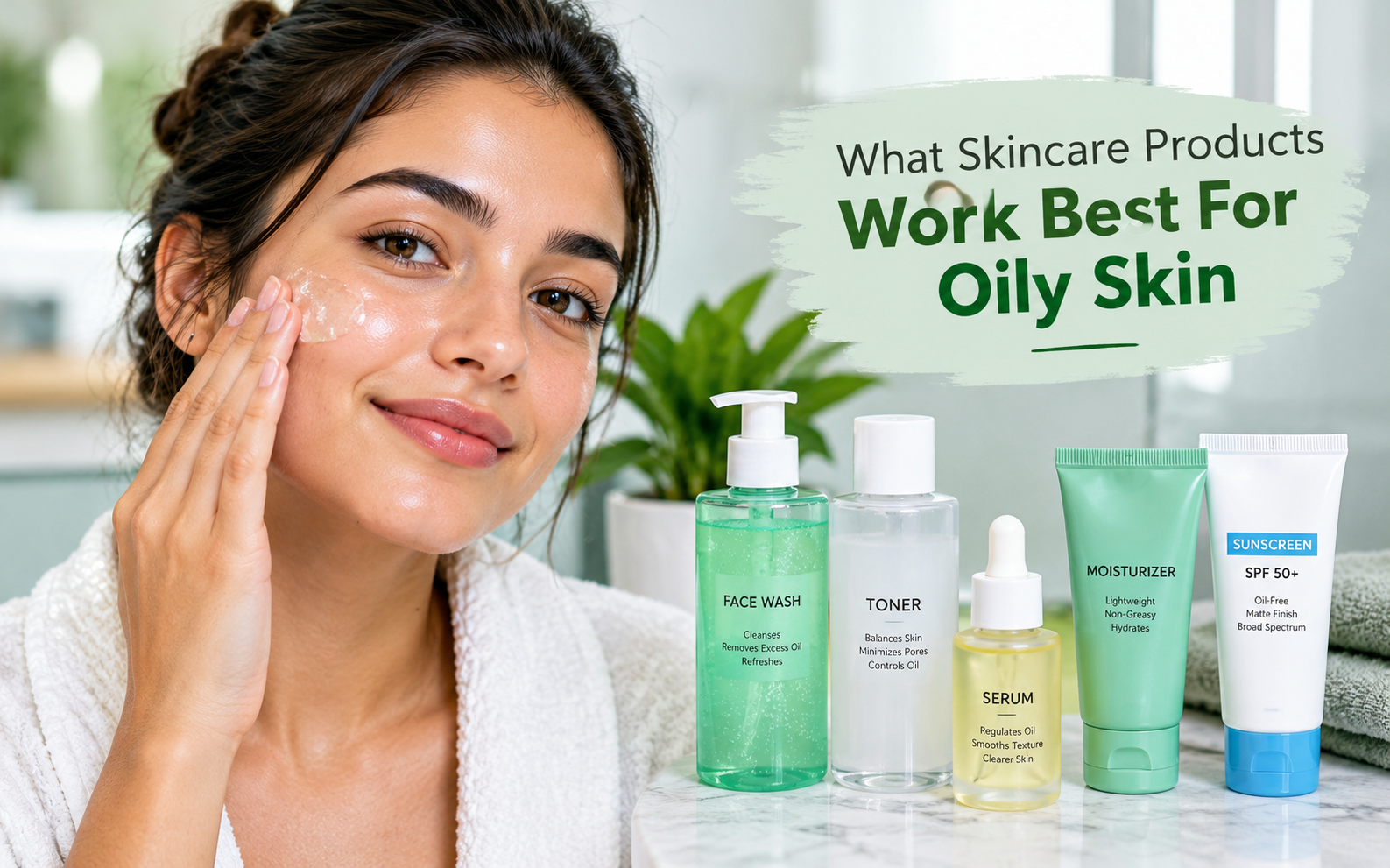
Oily skin gets a bad reputation it doesn't fully deserve. The goal was never to eliminate oil entirely — skin needs some natural oil to stay healthy — it's about keeping things balanced. As Yon-Ka Paris puts it, the best products for oily skin are the ones that reduce excess shine without over-drying skin in the process. Strip too much oil away, and skin often responds by producing even more to compensate, which is exactly the cycle a lot of harsh, "oil-fighting" products accidentally create.
The Core Routine: Five Product Types
A practical oily-skin routine generally comes down to five categories: cleanser, toner, treatment, moisturizer, and sunscreen, with an occasional mask or exfoliant added in for extra clarity when needed. None of this requires an elaborate ten-step routine — the basics done consistently matter more than the number of products involved.
Cleanser
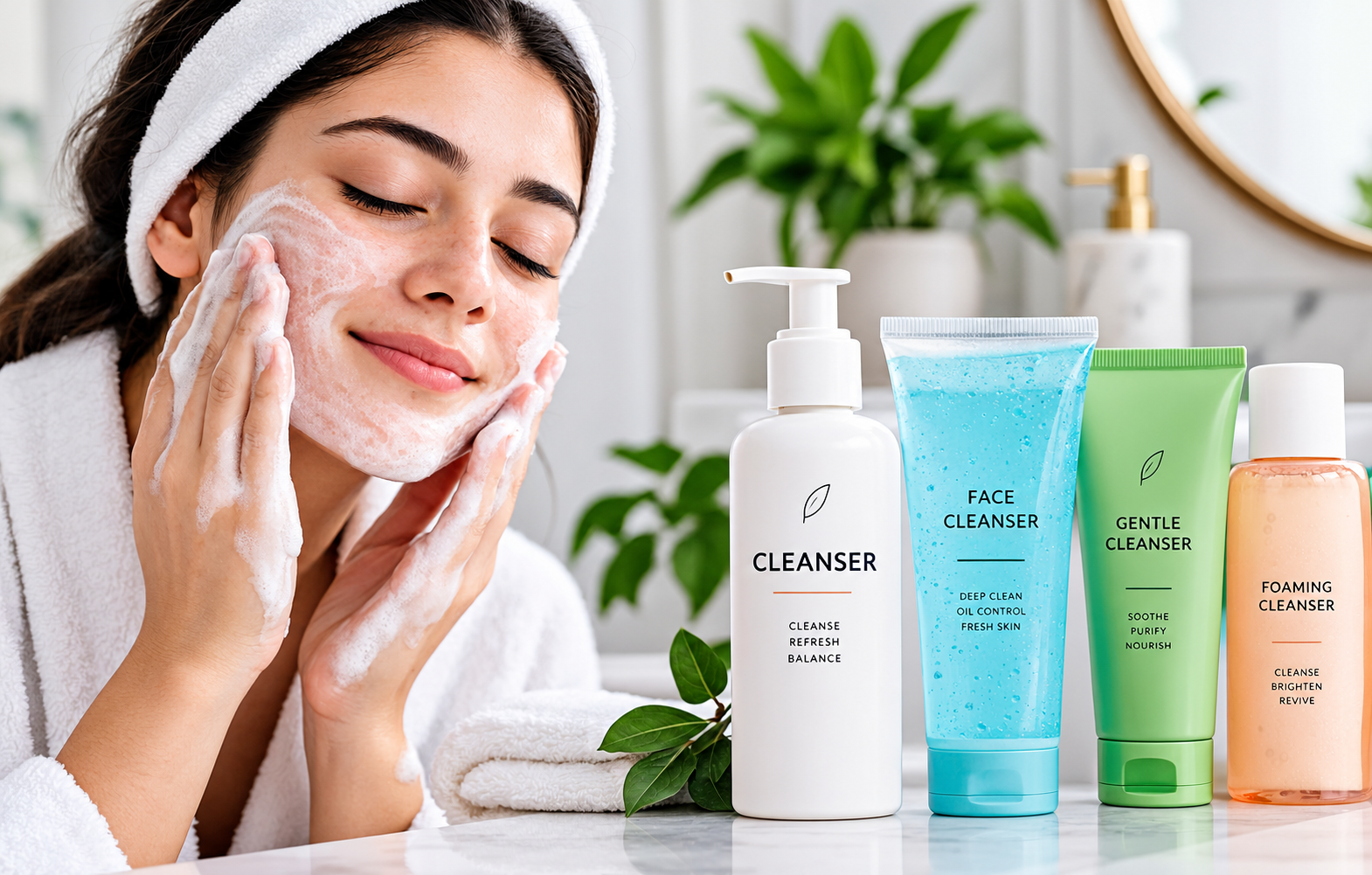
A cleanser for oily skin needs to remove excess oil, sunscreen, and daily debris without leaving skin feeling stripped or tight. Over-cleansing is one of the more common mistakes here — an aggressive scrub or a harsh foaming formula used too often can actually disrupt the skin barrier and make oil production harder to manage, not easier. A low-residue, gentle facial cleanser is generally the safer starting point.
CeraVe Foaming Facial Cleanser consistently comes up as a strong pick, formulated with niacinamide, hyaluronic acid, and ceramides that help support the skin barrier while still cleansing thoroughly. For anyone drawn to the Korean skincare approach, a double cleanse — an oil-based cleanser first, followed by a water-based one — has also developed a strong following, working on the principle that oil actually helps lift oil rather than fighting it directly.
Toner
Toners aren't strictly essential, but for oily skin, a lightweight, non-sticky formula can help remove leftover residue after cleansing while supporting a more balanced feel. The key is avoiding older-style astringent toners loaded with alcohol, which tend to over-dry skin and trigger the same oil-rebound effect as harsh cleansers.The INKEY List's Salicylic Acid Cleanser and similar BHA-based formulas are commonly recommended here, since salicylic acid helps keep pores clear without being overly stripping when used at a reasonable frequency.
Treatment (Serums)
This is where the most targeted ingredients come in. According to Aveda, a good serum for oily skin can genuinely help regulate sebum, minimize the look of pores, and smooth overall texture — but it's worth choosing formulas that hydrate rather than relying on heavy oils or silicones that can sit on top of already-oily skin.
The Ordinary's Niacinamide 10% + Zinc 1% is one of the most widely recommended serums in this category, and for good reason — niacinamide has a strong track record for helping regulate oil production over time while also supporting overall skin barrier health. It's also affordable, which makes it an easy entry point if you're building a routine from scratch.
Moisturizer
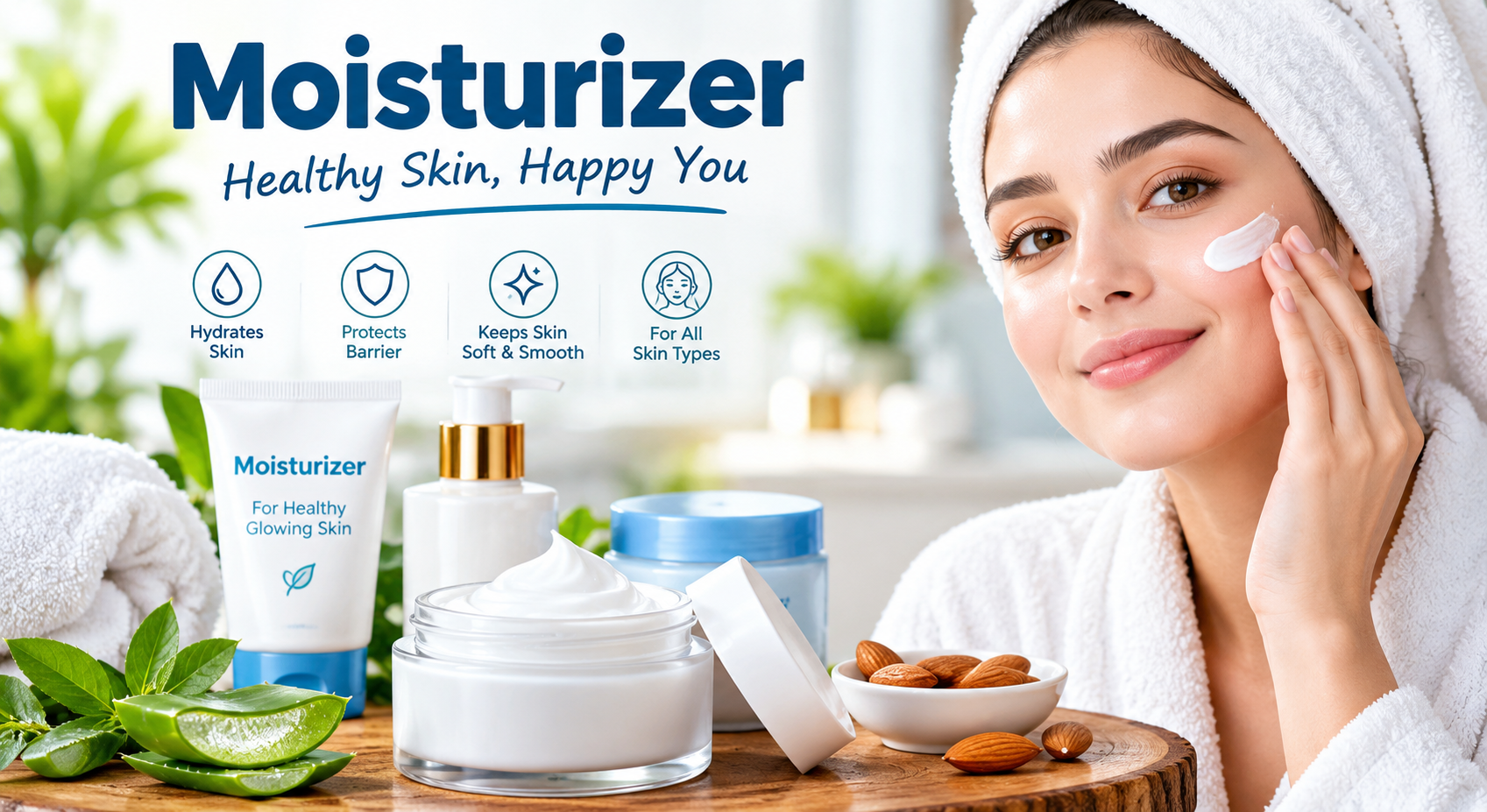
This is the step oily skin sufferers are most likely to skip, and it's usually a mistake. As dermatology-adjacent sources point out, hyaluronic acid is a particularly good option here because it's genuinely lightweight — it helps hydrate and support the skin barrier without adding heaviness, which matters for anyone already managing excess oil. Most moisturizers formulated for oily skin are also designed to absorb quickly, generally within about ten minutes, so there's no lingering greasy feeling afterward.
CeraVe and The INKEY List's Omega Water Cream both come up frequently as lightweight, non-comedogenic options that hydrate without clogging pores or adding shine.
Sunscreen
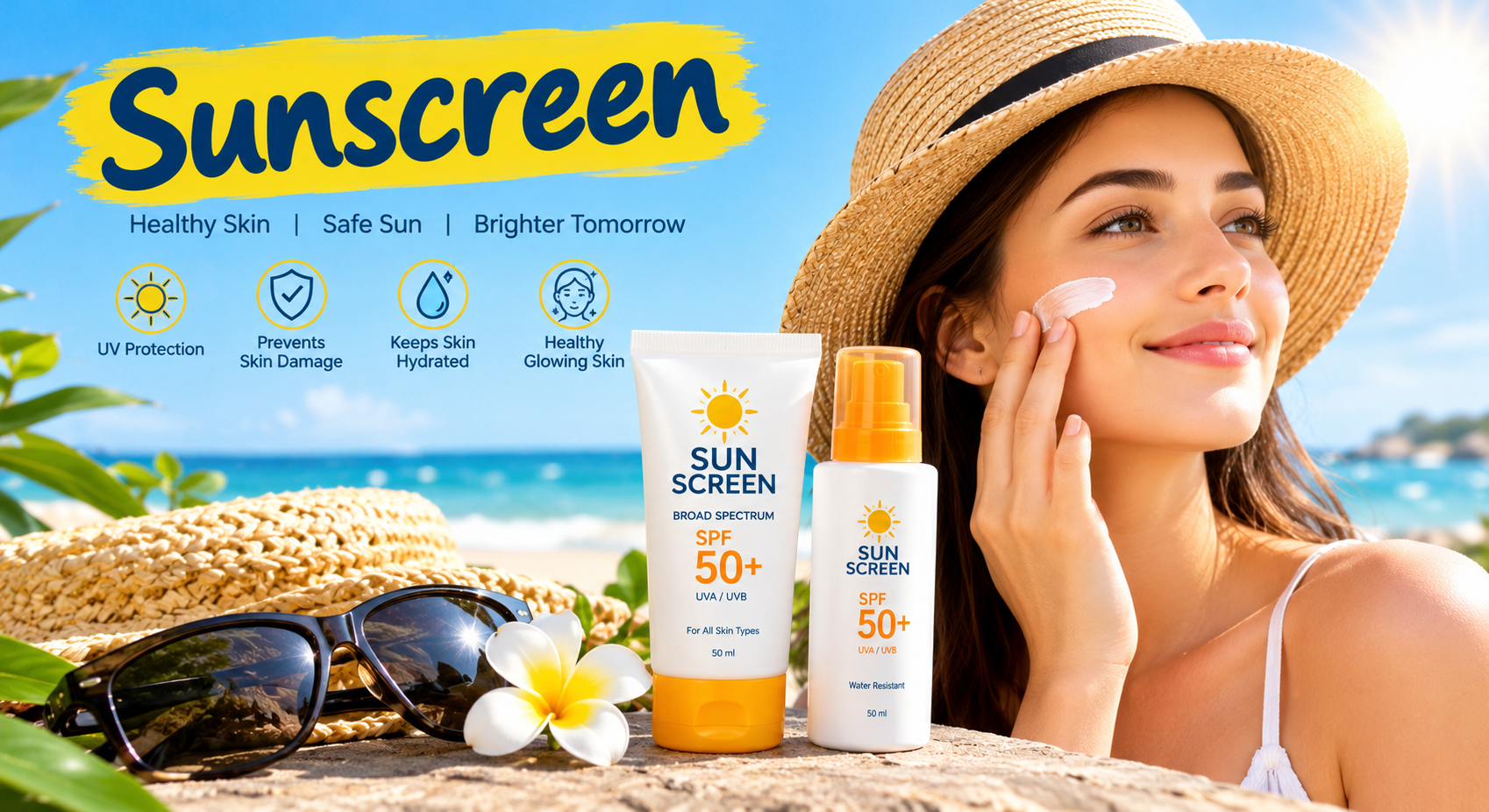
Sun protection is non-negotiable regardless of skin type, but oily skin specifically benefits from oil-free, mattifying sunscreen formulas rather than heavier, cream-based ones that can feel greasy layered on top of an already oily complexion. La Roche-Posay is frequently recommended specifically for its oil-free sunscreen options that don't compromise on broad-spectrum protection.
Weekly Extras: Masks And Exfoliation
Beyond the daily basics, clay masks are a popular occasional addition for oily skin specifically, since clay is genuinely effective at soaking up excess shine while still leaving skin feeling soft rather than stripped. Exfoliation, used in moderation, helps remove dead skin cells and unclog stubborn pores — but this is very much a "less is more" category, since overdoing it tends to backfire into irritation and increased oil production.
Building The Routine Step By Step
For anyone just starting out, the advice across nearly every source is consistent: begin with the basics — cleanser, moisturizer, and sunscreen — before adding anything more complex. Once that foundation feels consistent, a toner and a targeted serum like niacinamide are natural next additions, with masks and exfoliants layered in occasionally rather than daily.
The Bottom Line
Oily skin doesn't need a routine built around stripping oil away entirely — it needs one built around balance. A gentle cleanser, a lightweight hydrating moisturizer, a niacinamide serum, and daily oil-free sunscreen cover the vast majority of what oily skin actually needs. Everything else — toners, masks, exfoliants — is a genuine bonus once those basics are solidly in place, not a replacement for them.
Share:

Stephanie Moore
Stephanie Moore is a Content Editor at Woman With Us with 5+ years of experience in fashion, beauty, and lifestyle content. She edits and refines blogs to make them clear, engaging, and helpful for readers.
Reviews
No reviews yet!