Sugar Scrub For Face: Is It Actually Good For Your Skin?
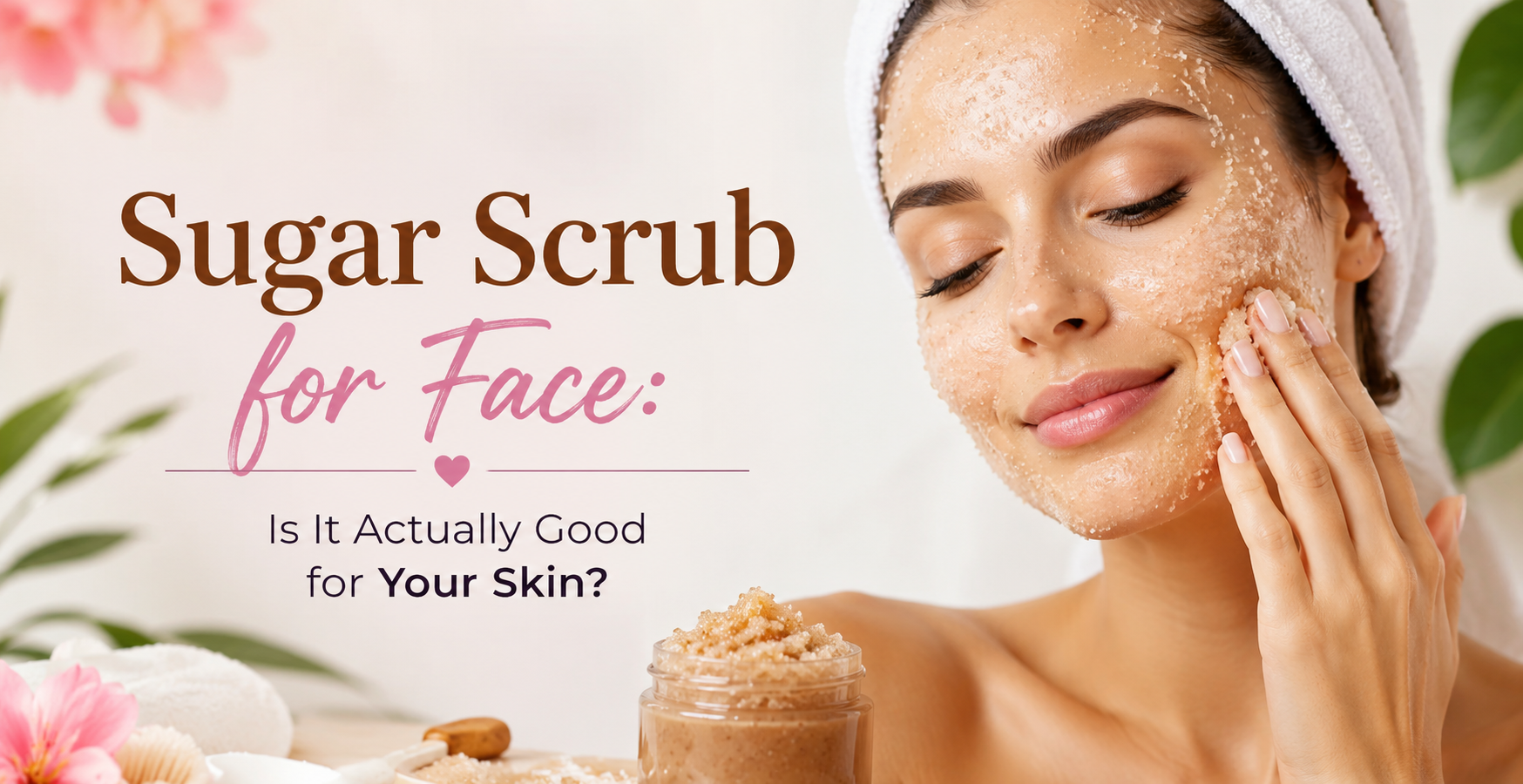
Sugar scrub for face has become a popular DIY skincare trend, especially among people who prefer natural ingredients.However, not everyone agrees on whether sugar is truly gentle enough for facial skin.So, let us look at the real benefits, the potential downsides, and how to use it safely if you decide to try it.
Why Sugar Scrub Became So Popular
Sugar is easy to find, affordable, and already sitting in most kitchen cabinets. This accessibility made it a favorite for homemade skincare recipes over the years.
Many people also like that sugar dissolves in water, unlike some harsher exfoliating particles.Additionally, it can be mixed with oils or honey for an added moisturizing effect.Therefore, its simplicity and natural appeal explain why it remains popular in DIY beauty routines.
The Potential Benefits Of Sugar Scrub
When used correctly, sugar scrub can help remove dead skin cells from the surface. This process may leave skin feeling smoother immediately after use.
Sugar granules also dissolve as you massage them into the skin.As a result, they tend to feel less abrasive than some other physical exfoliants, like walnut shells.Beyond that, combining sugar with a moisturizing base ingredient can leave skin feeling soft rather than stripped.
Some people enjoy the sensory experience as well.The gentle massaging motion can feel relaxing and may briefly improve circulation.Fortunately, this makes sugar scrub appealing as an occasional self-care ritual for many.
Why Dermatologists Often Recommend Caution
Despite its popularity, many skincare professionals advise against using sugar scrub regularly on facial skin. The reasoning comes down to how sugar crystals actually behave during use.
Sugar granules have irregular, sharp edges, even though they dissolve over time.Consequently, they can create tiny micro-tears in delicate facial skin, especially with firm pressure.This risk increases significantly for those with sensitive, acne-prone, or already compromised skin barriers.
Facial skin is also much thinner than skin on the body.Therefore, what feels fine on your hands or feet may be too harsh for your face.Instead, many dermatologists recommend gentler chemical exfoliants for facial use instead of physical sugar scrubs.
If You Still Want To Try It Safely
If you choose to use sugar scrub for face despite these concerns, doing so carefully matters a lot. Using an extremely light touch reduces the risk of irritation significantly.
Choose a fine-grain sugar rather than coarse granules whenever possible.Additionally, mix it with a nourishing oil to reduce friction during application.Beyond that, limit use to once every one or two weeks rather than incorporating it into daily skincare.
Avoid using sugar scrub on active breakouts, cuts, or irritated skin entirely.This can worsen inflammation or introduce bacteria into open areas.Overall, patch testing on a small area first helps you gauge how your skin actually responds.
Better Alternatives Worth Considering
If your skin reacts poorly to sugar scrub, several gentler alternatives exist. Chemical exfoliants often provide similar benefits with far less physical irritation.
Lactic acid offers gentle exfoliation while also supporting hydration for drier skin types.Similarly, enzyme-based exfoliants dissolve dead skin cells without any physical scrubbing motion at all.Fortunately, these options tend to work well across a wider range of skin types and sensitivities.
For those who still prefer a physical option, finely milled rice powder or oatmeal-based scrubs tend to feel gentler than sugar.These alternatives provide light exfoliation with a softer texture overall.As a result, they may suit sensitive skin better than traditional sugar-based recipes.
Final Thoughts
Sugar scrub for face can offer short-term smoothness, but it comes with real risks for many skin types.Consider your skin's sensitivity level and current condition before deciding whether to use it.Finally, if irritation, redness, or breakouts occur, switching to a gentler chemical exfoliant is usually the smarter choice. With the right approach, healthy, smooth skin does not have to come at the cost of comfort.
Share:

Stephanie Moore
Stephanie Moore is a Content Editor at Woman With Us with 5+ years of experience in fashion, beauty, and lifestyle content. She edits and refines blogs to make them clear, engaging, and helpful for readers.
Reviews
No reviews yet!