Skin Care: A Simple Guide To A Routine That Actually Works
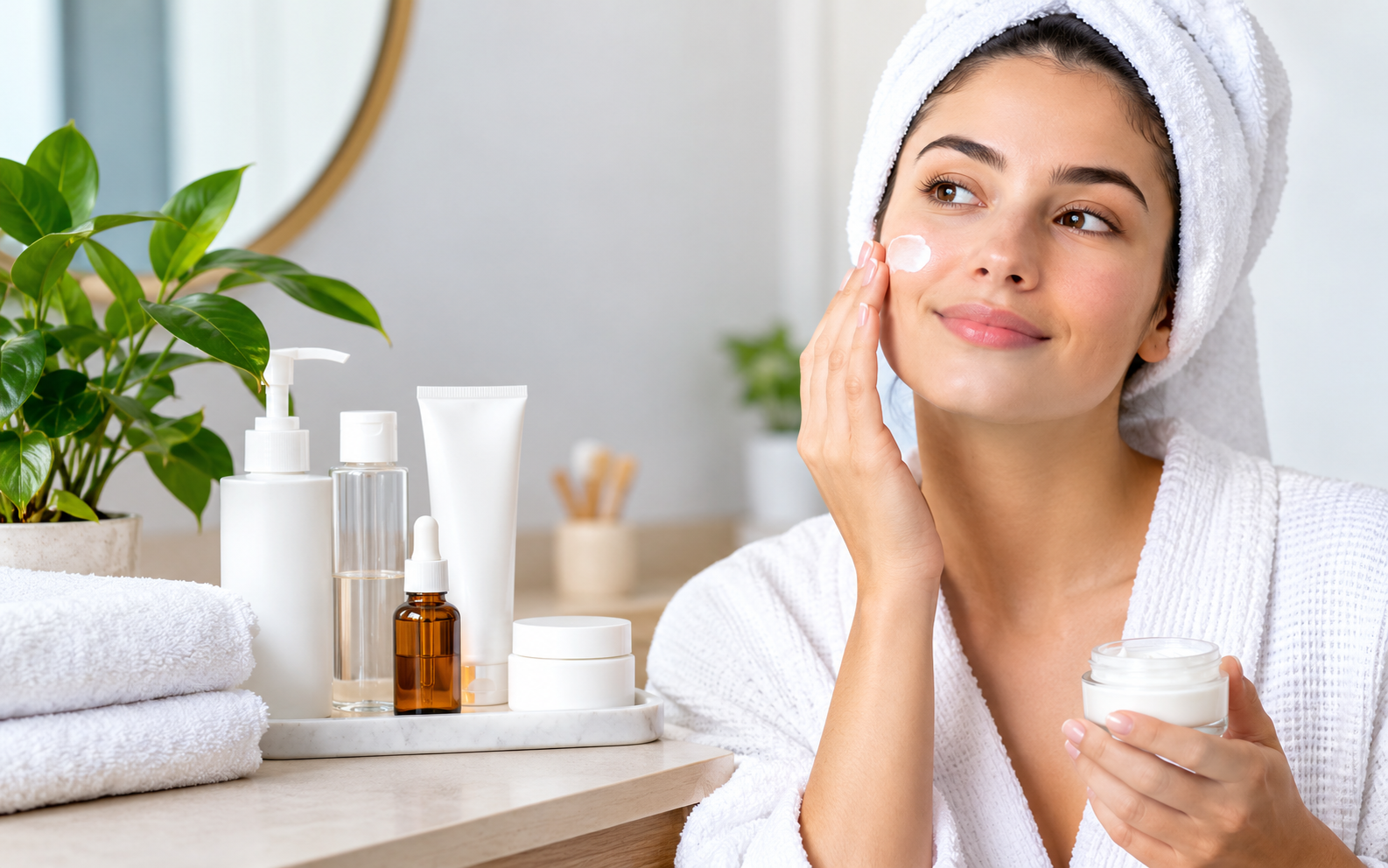
Walk down any beauty aisle or scroll through a few videos and skin care starts to look like a part-time job. Ten-step routines, new ingredients every month and promises that sound too good to be true.
The reality is much calmer. Healthy skin comes from a handful of basic habits done consistently, with a few extras added only if you need them.Here’s how to build a routine that’s simple, affordable and effective.
Start With Your Skin Type
Everything begins with knowing what you’re working with. Most people fall into one of a few groups.
Normal skin feels comfortable, with few breakouts or dry patches.
Dry skin often feels tight, rough or flaky, especially after washing.
Oily skin looks shiny, particularly across the forehead, nose and chin, and may be more prone to clogged pores.
Combination skin is oily in some areas and dry or normal in others.
Sensitive skin reacts easily, with redness, stinging or irritation from new products.
Your skin can change with seasons, hormones, stress and age, so it’s normal to adjust over time. If you’re unsure, pay attention to how your face feels a couple of hours after washing.That tells you a lot.
The Core Routine: Three Steps
If you do nothing else, do these.
1. Cleanse. Wash your face once or twice a day with a gentle cleanser.The goal is to remove dirt, sweat, oil and sunscreen without leaving your skin tight or squeaky. That “squeaky clean” feeling usually means the cleanser is too harsh.In the morning, a splash of water or a mild cleanser is often enough, and at night you can wash more thoroughly, especially if you wore sunscreen or makeup.
2. Moisturize. Everyone needs a moisturizer, including people with oily skin. It helps maintain the skin barrier, which keeps moisture in and irritants out.Choose a lighter gel or lotion if you’re oily, and a richer cream if you’re dry.Apply it while your skin is slightly damp for better absorption.
3. Protect. Sunscreen is the most important skin care product you can use. Daily use helps prevent sunburn, dark spots, uneven tone and premature aging, and it lowers the risk of skin cancer.Choose a broad-spectrum sunscreen of SPF 30 or higher, apply enough to cover your face and neck, and reapply every couple of hours if you’re outdoors.It matters on cloudy days too, and it matters in Pakistan’s strong sun just as much as anywhere else.
This simple routine covers most of what skin needs.
Adding Extras Only When You Need Them
Once the basics feel comfortable, you can add products for specific goals. The key is to add one thing at a time, so you can see how your skin reacts.
For acne and clogged pores: Ingredients like salicylic acid, benzoyl peroxide or adapalene are widely used and have good evidence behind them. Start slowly, because they can cause dryness and irritation.Persistent or painful acne is worth discussing with a dermatologist.
For dark spots and uneven tone: Vitamin C, niacinamide, azelaic acid and consistent sunscreen use all help. Be patient, because results often take weeks to months.
For fine lines and texture: Retinoids are among the most studied ingredients in skin care. They work gradually and can cause dryness or peeling at first, so start with a low strength a couple of nights a week.Avoid them if you’re pregnant or planning pregnancy unless a doctor says otherwise.
For dryness: Look for hyaluronic acid, glycerin and ceramides. They help the skin hold on to water and support the barrier.
For gentle exfoliation: Chemical exfoliants like lactic or glycolic acid can smooth the surface of the skin. Use them sparingly, perhaps once or twice a week, and don’t scrub harshly with rough tools.
How To Introduce New Products Safely
A lot of skin problems come from trying too much, too fast. A few habits prevent most of them.
Patch test new products on a small area, such as behind the ear or on the inner forearm, for a day or two before using them on your face. Introduce one new product at a time and wait a couple of weeks before adding another.Avoid combining several strong actives, like retinoids, exfoliating acids and vitamin C, in the same routine until you know how your skin handles them.
If your skin starts to burn, sting or turn red, stop and go back to the basics. A damaged barrier needs a gentle routine to recover, not more products.
What Matters Beyond Products
Skin care isn’t only what you put on your face.
Sleep. Poor sleep can show up as dullness, puffiness and breakouts. Regular, adequate rest helps your skin repair itself.
Diet and water. Eating a balanced diet with plenty of fruits, vegetables and healthy fats supports overall health.Drinking enough water is good for you, though it won’t fix dry skin on its own.
Stress. Chronic stress can trigger or worsen skin conditions like acne and eczema. Exercise, downtime and relaxing activities all help.
Smoking and alcohol. Both are linked with faster skin aging and a duller complexion.Cutting back is good for your skin and your health.
Pillowcases and phone screens. Cleaning them regularly reduces the buildup of oil and bacteria that can contribute to breakouts.
Myths Worth Dropping
“More products means better skin.” Usually, it means more irritation.A simple routine often beats a complicated one.
“Natural is always safer.” Natural ingredients can cause allergic reactions or irritation as much as synthetic ones.
“Oily skin doesn’t need moisturizer.” Skipping it can make your skin produce even more oil.
“Expensive products work better.” Price and effectiveness aren’t directly related. Many affordable products contain the same proven ingredients as luxury ones.
“You can shrink your pores.” Pore size is mostly genetic. You can make them look less noticeable by keeping them clean, but you can’t change them permanently.
“Tingling means it’s working.” Stinging often means irritation, not results.
Know When To See A Doctor
Some skin concerns need professional help. See a dermatologist if you have severe or persistent acne, painful cysts, sudden rashes, mole changes in size, shape or color, or sores that don’t heal.Also seek advice if over-the-counter products aren’t helping after a couple of months, or if you’re unsure about using active ingredients during pregnancy or with a medical condition.
Budget Tips
You don’t need to spend a lot. Spend your money on sunscreen and a few well-chosen products, and keep the cleanser and moisturizer simple.Many drugstore brands offer excellent, gentle formulas.Read ingredient lists, not just marketing claims, and be cautious of products that promise dramatic overnight changes.
Final Thoughts
Good skin care is less about secrets and more about consistency.Cleanse gently, moisturize, wear sunscreen every day and add other products only when there’s a reason. Give your skin time, because most improvements take weeks, not days.
Pay attention to how your skin responds, keep things simple and look after the habits that support it from the inside, like sleep and stress. A calm, steady routine will do more for your skin than any trend.
Share:

Stephanie Moore
Stephanie Moore is a Content Editor at Woman With Us with 5+ years of experience in fashion, beauty, and lifestyle content. She edits and refines blogs to make them clear, engaging, and helpful for readers.
Reviews
No reviews yet!