Should I Buy A Fur Coat? A Balanced Guide To Making The Decision
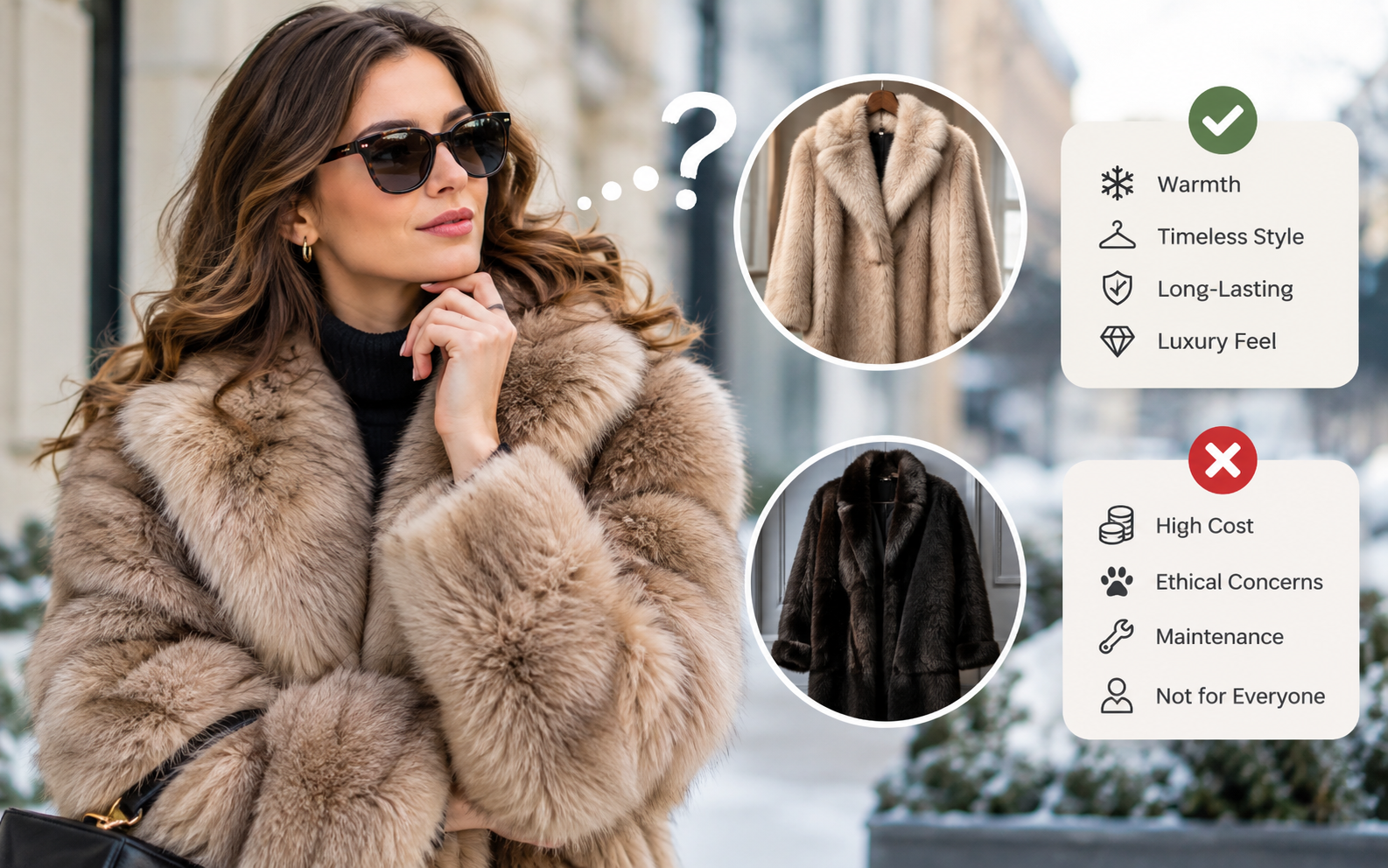
Few wardrobe purchases come with as many strong opinions attached as a fur coat.It's warm, dramatic, and has a long history in fashion, but it also raises questions about animal welfare, the environment, cost, and even legality. There isn't one right answer for everyone, so this guide lays out the main considerations and leaves the decision to you.
First, Decide Which Kind Of Coat You Mean
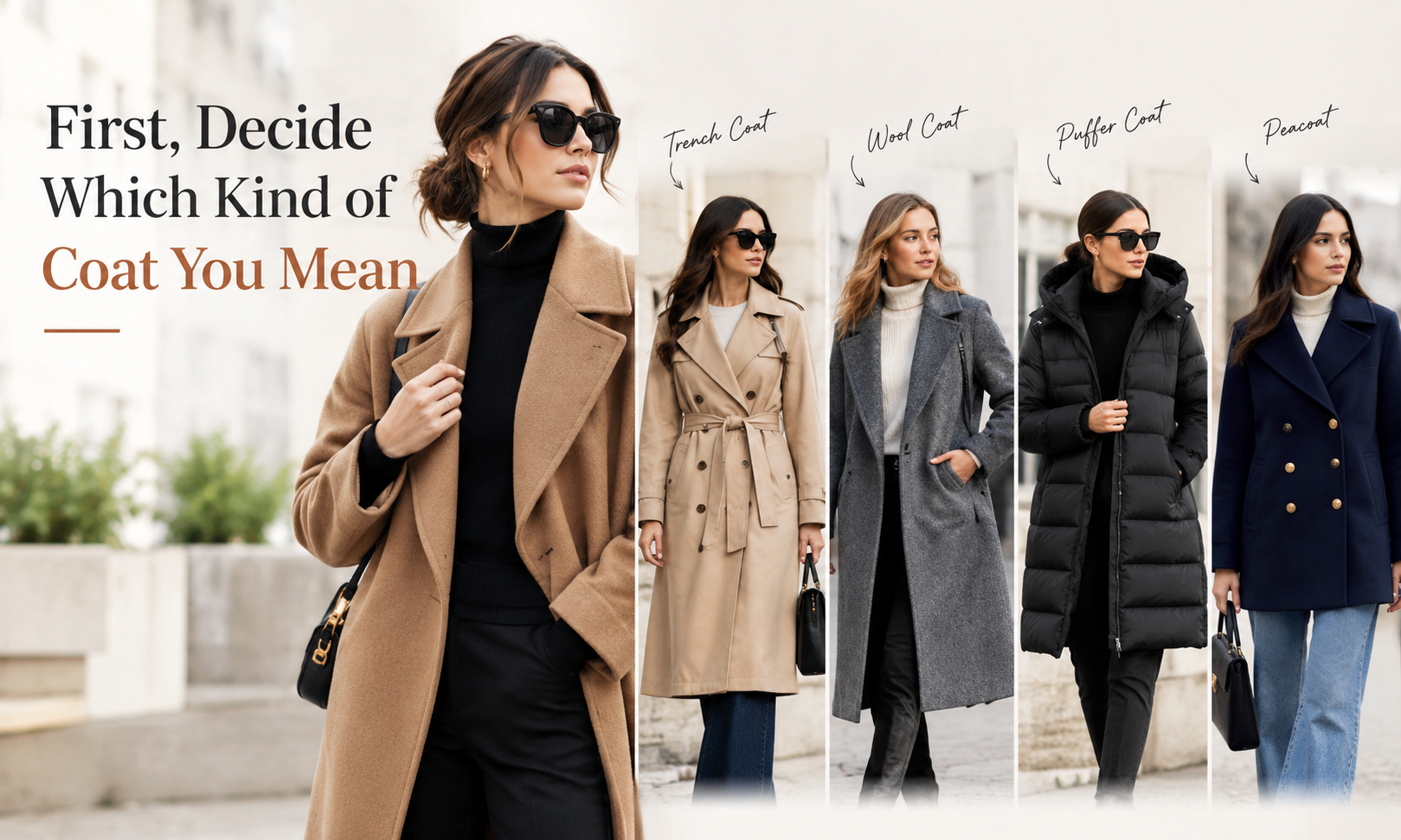
"Fur coat" covers three quite different things, and the tradeoffs change depending on which you choose.
New real fur. This is fur from animals that were farmed or trapped for the purpose. It's the most expensive option and the most ethically contested.
Faux fur. A synthetic material made to look like fur. No animals are involved, and it costs far less.
Vintage or secondhand real fur. A coat that already exists and is being resold or passed on. Nothing new is produced to make it.
The Ethical Question
The main objection to new real fur is animal welfare.Fur farming and trapping involve killing animals for their pelts, and many people decide on that basis alone that they won't wear it.Others don't share the objection, or weigh it differently against factors like durability and tradition. This is a values judgment, and thoughtful people come down on different sides.
Vintage fur sits in a gray area. Fashion Journal notes that vintage furs have already been made, which is part of their appeal, and that some vintage sellers argue they're among the most sustainable fashion items thanks to their craftsmanship and durability. But buying vintage doesn't resolve the animal welfare question for everyone, so it's worth asking yourself how you feel about it.
The Environmental Question
This is more complicated than either side usually admits.Faux fur is typically made from petroleum-based synthetics, doesn't biodegrade, and sheds microplastics when washed. Real fur is a natural material, but producing it involves raising animals, feeding them, and tanning pelts with chemicals.
The research is contested. A resale platform, Casiani, points to a CE Delft life-cycle assessment finding real fur has a greater environmental impact than most textiles, while noting that most independent assessments agree secondhand or vintage fur has the lowest impact of any fur option. Meanwhile, Britannica's pro and con overview cites a study concluding the life cycle of a faux fur coat carried a greater environmental risk than natural fur. Some of the sources on both sides have a stake in the outcome, so I'd treat strong claims in either direction with caution. A fair summary is that neither option is clearly "green."
The Legal Question
Rules vary by place, and they're changing. According to Britannica, California has banned the sale of new fur garments, in stores and online, since January 1, 2023, though the law doesn't ban the resale of vintage fur or the wearing and owning of fur.Other places have their own restrictions, and some retailers and fashion events have dropped fur voluntarily. Before you buy, check the rules where you live and where the coat would ship from, especially if you're buying online or secondhand.
The Practical Questions
Even if the ethics settle, the practical side matters.
- Climate and how often you'll wear it.If your winters are mild, a fur coat may spend most of its life in the closet. Divide the price by realistic wears to see what it's really costing you.
- Budget. New real fur is a major purchase. Faux is a fraction of the price, and vintage is often much cheaper than new.
- Care. Real fur needs proper storage and cleaning, ideally with a specialist. Faux is usually easier to maintain, though it tends to be less durable over the long term.
- Resale value. Quality real or vintage fur can be resold, but the market is smaller and rules about selling vary by location.
- Style. Fur is a statement piece. Think about whether it fits how you actually dress.
Alternatives If Warmth Is The Goal
If you mainly want to stay warm, you have other options.A heavy wool coat, a shearling-style coat, or a quality down jacket can match or beat fur on warmth, usually for less money and with fewer ethical or legal complications. If you love the look rather than the warmth, a faux fur collar, trim, or jacket can give you the texture without the commitment.
A Quick Decision Checklist
- Do animal welfare concerns matter to me? If yes, rule out new real fur, and decide how you feel about vintage.
- Where will I wear it, and how often? Be honest about your climate and lifestyle.
- What's my budget, including care costs?
- Is it legal and practical to buy, ship, and resell where I live?
- Would I be happy with an alternative that delivers warmth or style without these questions?
The Bottom Line
Whether you should buy a fur coat comes down to your values, your climate, and your budget, not to a single rule.If animal welfare is important to you, faux or non-fur alternatives are the straightforward route.If you're drawn to real fur but uneasy about new production, vintage is the option many people find easier to reconcile. And if you're still unsure, waiting costs you nothing.Try on a few options, think about how often you'd actually wear one, and decide when you're confident.
Share:

Stephanie Moore
Stephanie Moore is a Content Editor at Woman With Us with 5+ years of experience in fashion, beauty, and lifestyle content. She edits and refines blogs to make them clear, engaging, and helpful for readers.
Reviews
No reviews yet!