Oil Control Powder: How To Choose The Right One For Shine-Free Skin
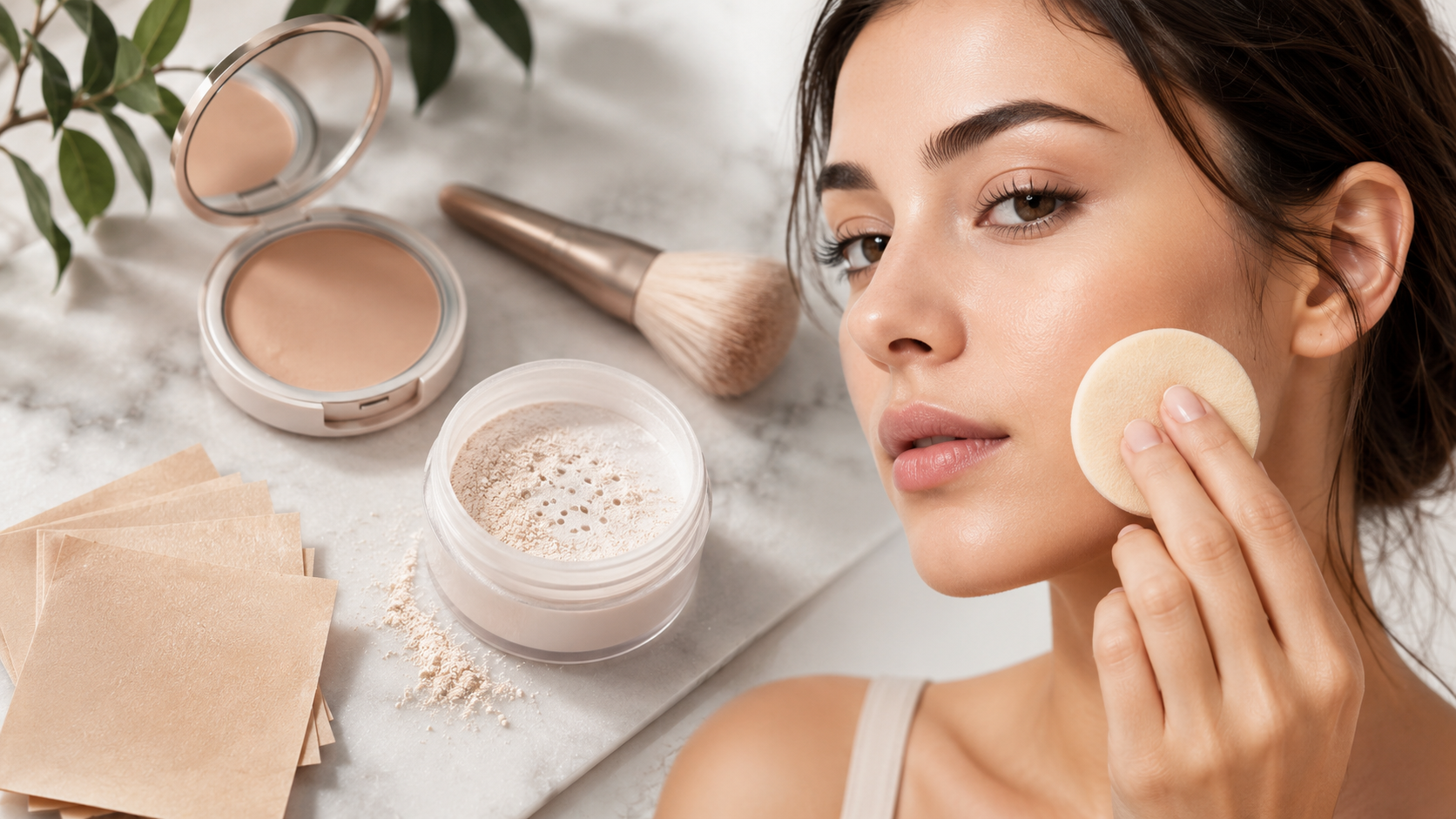
Shine can creep back within an hour, no matter how carefully you apply your makeup. Oil control powder promises to fix that, but not every formula actually delivers on that promise. Understanding what makes these products effective helps you avoid wasting money on the wrong one. So, let us break down exactly what to look for.
How Oil Control Powder Actually Works
Oil control powder works by absorbing excess sebum before it has a chance to disrupt your makeup. Unlike regular powders, these formulas are specifically designed to manage shine throughout the day.
Most oil control powders contain ingredients that soak up moisture without adding extra product buildup.Additionally, many formulas create a slight mattifying barrier that helps delay oil from resurfacing.Therefore, understanding the mechanism behind these products helps set realistic expectations for results.
Key Ingredients To Look For
Not every powder labeled "oil control" contains the same effective ingredients. Knowing what to check for on the label makes a real difference.
Silica remains one of the most reliable ingredients for absorbing oil throughout the day.It creates a soft-focus, blurred finish while actively managing shine.Furthermore, kaolin and bentonite clay are also commonly used, since both draw excess moisture away from the skin's surface.
Rice starch is another ingredient worth watching for, especially in lightweight formulas.It absorbs oil effectively without feeling heavy or cakey on the skin.Beyond that, formulas combining multiple oil-absorbing ingredients tend to provide the longest-lasting shine control.
Loose Vs Pressed Oil Control Powder
Oil control powder comes in different formats, and each one suits different needs. Understanding the difference helps you choose based on your daily routine.
Loose powder often provides the most buildable, natural-looking finish.It applies in thin layers, which helps avoid a thick or powdery appearance.Consequently, many people prefer loose formulas for their initial, full-face application.
Pressed powder, meanwhile, works better for portable touch-ups throughout the day. It travels easily and allows for quick reapplication without much mess. Overall, many people find it helpful to use loose powder in the morning and pressed powder for touch-ups later on.
Choosing The Right Finish For Your Skin
Finish matters significantly when shopping for oil control powder specifically. A true matte finish generally provides the most effective, long-lasting shine control.
Avoid powders with any added shimmer, glow, or luminous finish if oil control is your priority. These formulas can start looking shiny again much faster than a fully matte option. Instead, sticking to mattifying formulas offers more predictable results throughout long days.
Translucent oil control powders remain popular since they work across all skin tones without changing your foundation's color. That said, tinted options can add light coverage if you prefer a slightly more finished look. Either way, both formats can effectively manage oil when used correctly.
Application Tips For Maximum Oil Control
How you apply oil control powder affects its performance just as much as the formula itself. A fluffy brush, used to press rather than swipe, tends to work best.
Focus application on your T-zone first, since this area usually produces the most oil throughout the day.Additionally, apply in thin, targeted layers rather than one heavy, all-over application.This approach helps maintain a natural look while still controlling shine effectively.
For particularly oily skin, try the baking technique in problem areas.Apply a slightly thicker layer, allow it to sit for a few minutes, then dust away the excess.As a result, this method provides extra staying power exactly where you need it.
Final Thoughts
Choosing the right oil control powder comes down to selecting effective ingredients and applying them with intention.Focus on formulas containing silica, clay, or rice starch for the strongest shine management.Finally, pair the right powder with proper application technique for makeup that genuinely lasts.With the right routine, shine-free skin throughout the day becomes far more achievable.
Share:

Stephanie Moore
Stephanie Moore is a Content Editor at Woman With Us with 5+ years of experience in fashion, beauty, and lifestyle content. She edits and refines blogs to make them clear, engaging, and helpful for readers.
Reviews
No reviews yet!