The Best Gentle Exfoliator For Dry Sensitive Skin
Exfoliating dry, sensitive skin feels like a contradiction at first. The whole point of exfoliation is buffing away dead skin cells to reveal smoother, brighter skin underneath, but dry and sensitive skin is already prone to irritation, redness, and a compromised barrier — and a lot of exfoliators make all of that worse instead of better. The fix isn't skipping exfoliation entirely. It's picking a genuinely gentle formula built specifically for this combination of skin concerns, rather than something designed primarily for oily or normal skin that just happens to carry a generic "for all skin types" label.
Why This Skin Type Needs A Different Approach
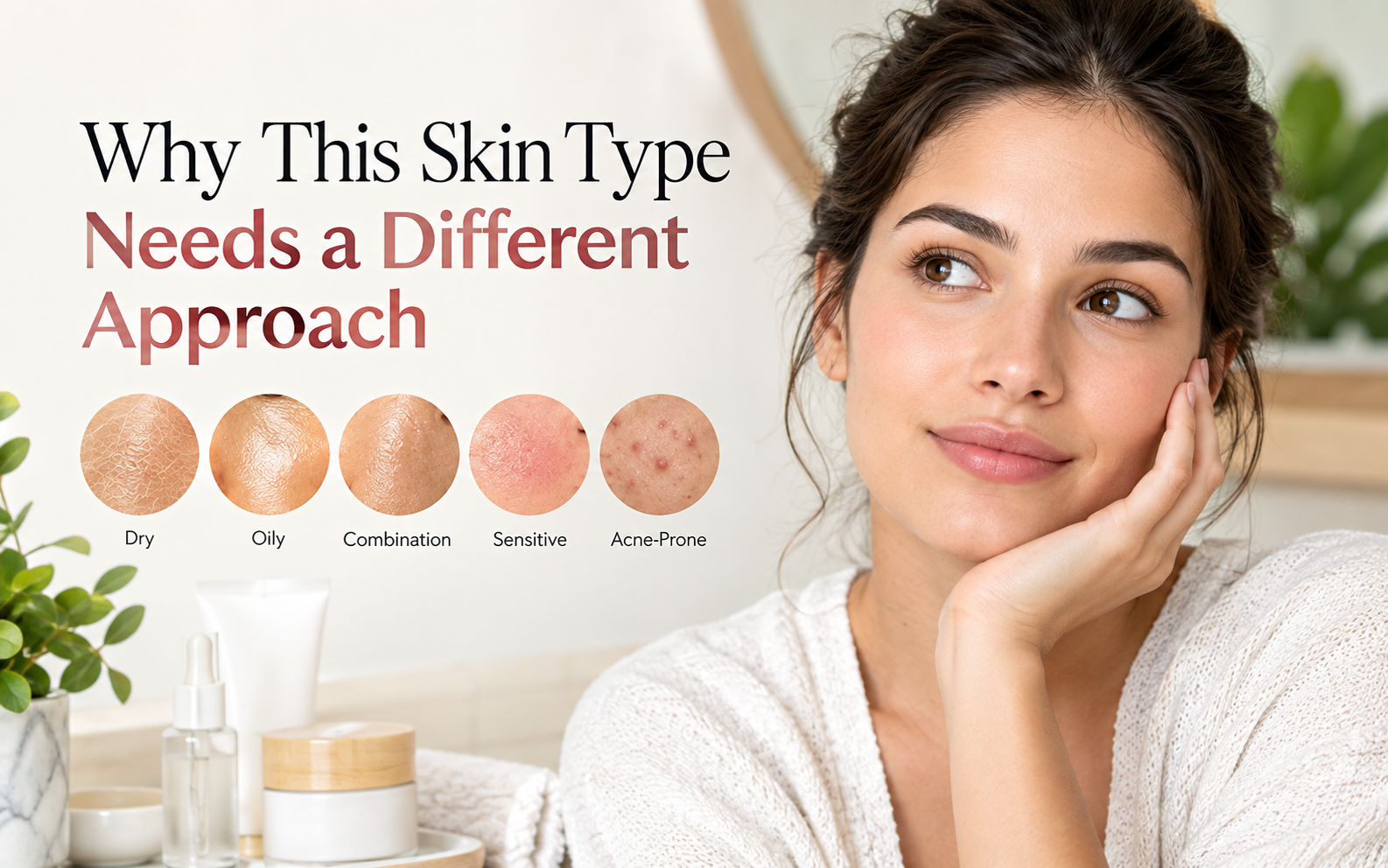
Dry and sensitive skin typically has a weaker moisture barrier than other skin types, meaning it loses hydration more easily and reacts more visibly to anything that disrupts its surface. Harsh physical scrubs and strong chemical exfoliants — the kind that work well for oily, resilient skin — can push dry sensitive skin past its tolerance threshold quickly, resulting in redness, stinging, flaking, and sometimes a cycle where the skin barrier gets progressively worse rather than better. Choosing the right formula and frequency is genuinely more important for this skin type than for almost any other.
What Actually Makes An Exfoliator Gentle Enough
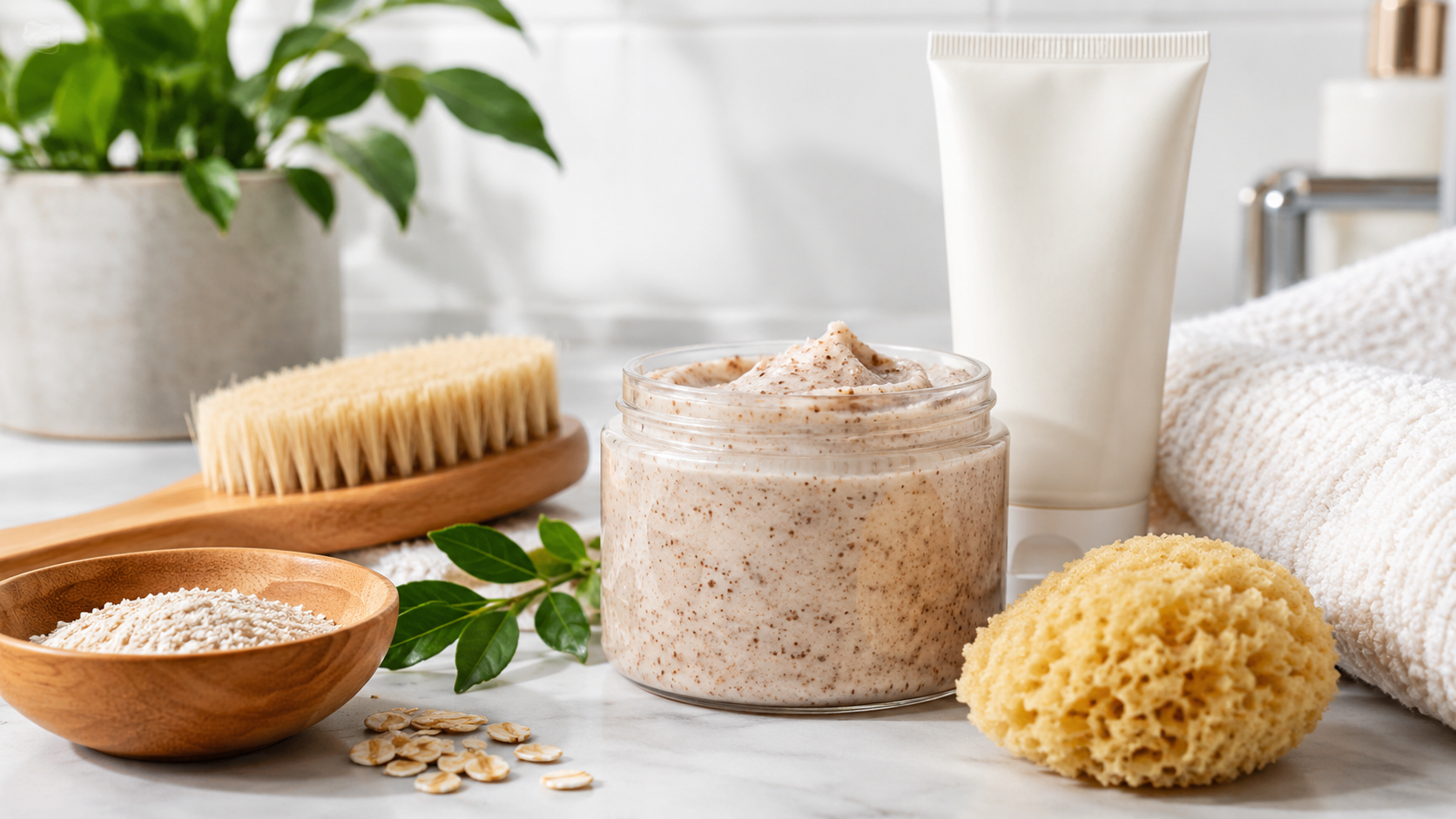
According to skincare expert Camp, cited by Ipsy, the safest bet for dry skin is looking for gentler physical exfoliants specifically — jojoba beads, rice powder, or bamboo powder — rather than the harsher walnut shell or apricot pit scrubs that can create micro-tears in already fragile skin. Those harsher physical exfoliants have sharp, irregular edges under a microscope, which is exactly why they can damage rather than smooth sensitive skin, even though they feel similar to gentler options in the jar.
On the chemical side, lactic acid stands out as a favorite for dry skin specifically, since it's both gentle and a humectant, meaning it actually pulls moisture into skin rather than just breaking down dead cells and leaving skin drier afterward the way some other acids can. Fruit enzymes — derived from papaya, pineapple, or pumpkin — are another genuinely gentle option, breaking down dead skin cells in an ultra-gentle way that suits reactive, sensitive skin particularly well, since enzymes work through a different mechanism than acids and tend to be less likely to trigger a stinging or burning reaction.
Best Overall: Kate Somerville ExfoliKate Intensive Exfoliating Treatment
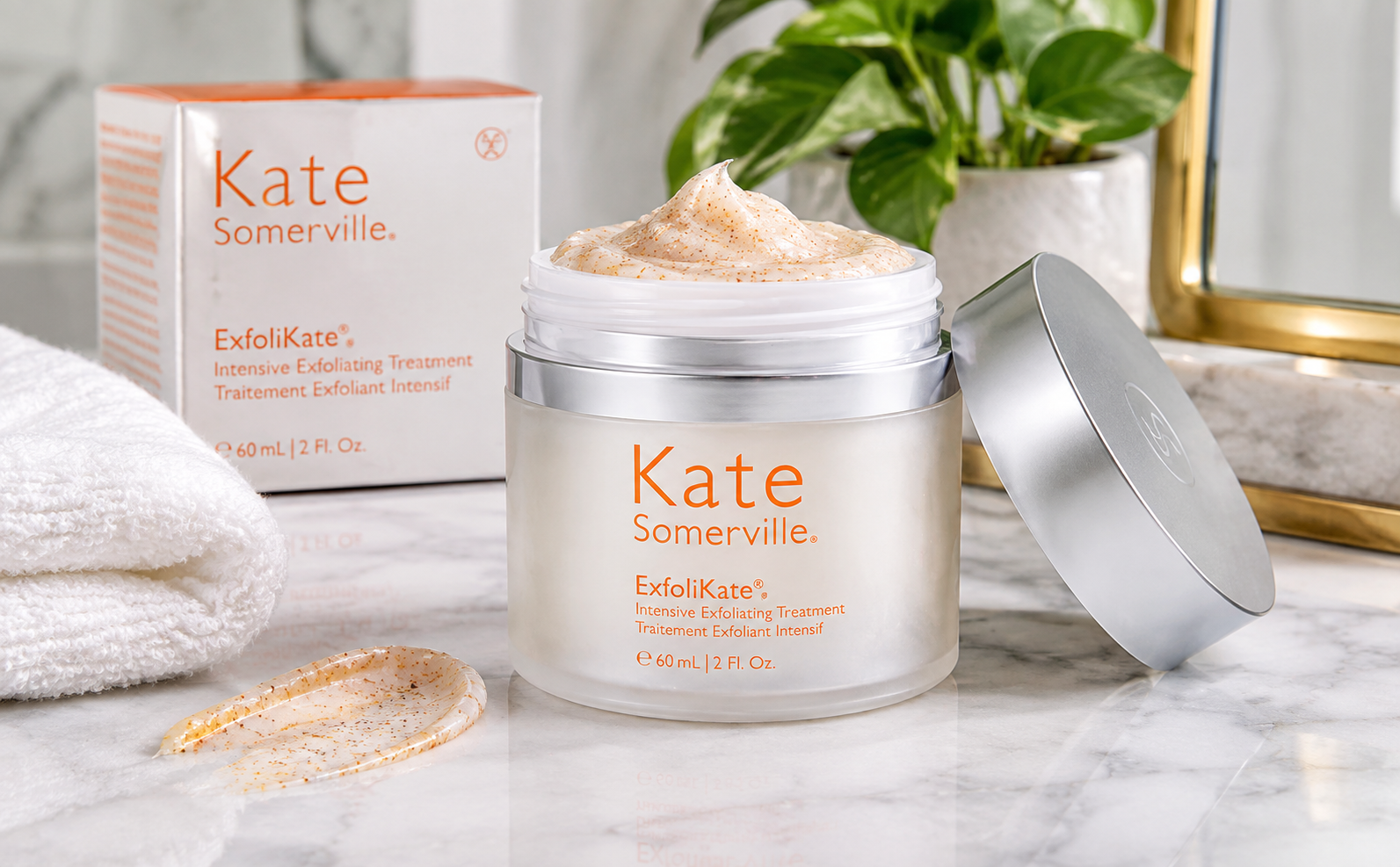
This hybrid formula combines chemical and physical exfoliation in a powerful yet still genuinely gentle formula, making it a strong all-around pick for anyone who wants real, visible results without the harshness that a lot of intensive exfoliators bring with them. It's a good option for people who've tried milder single-method exfoliators and want something a bit more potent, while still staying within a formula built with some consideration for sensitivity.
Best Physical Scrub: ZO Skin Health Exfoliating Polish
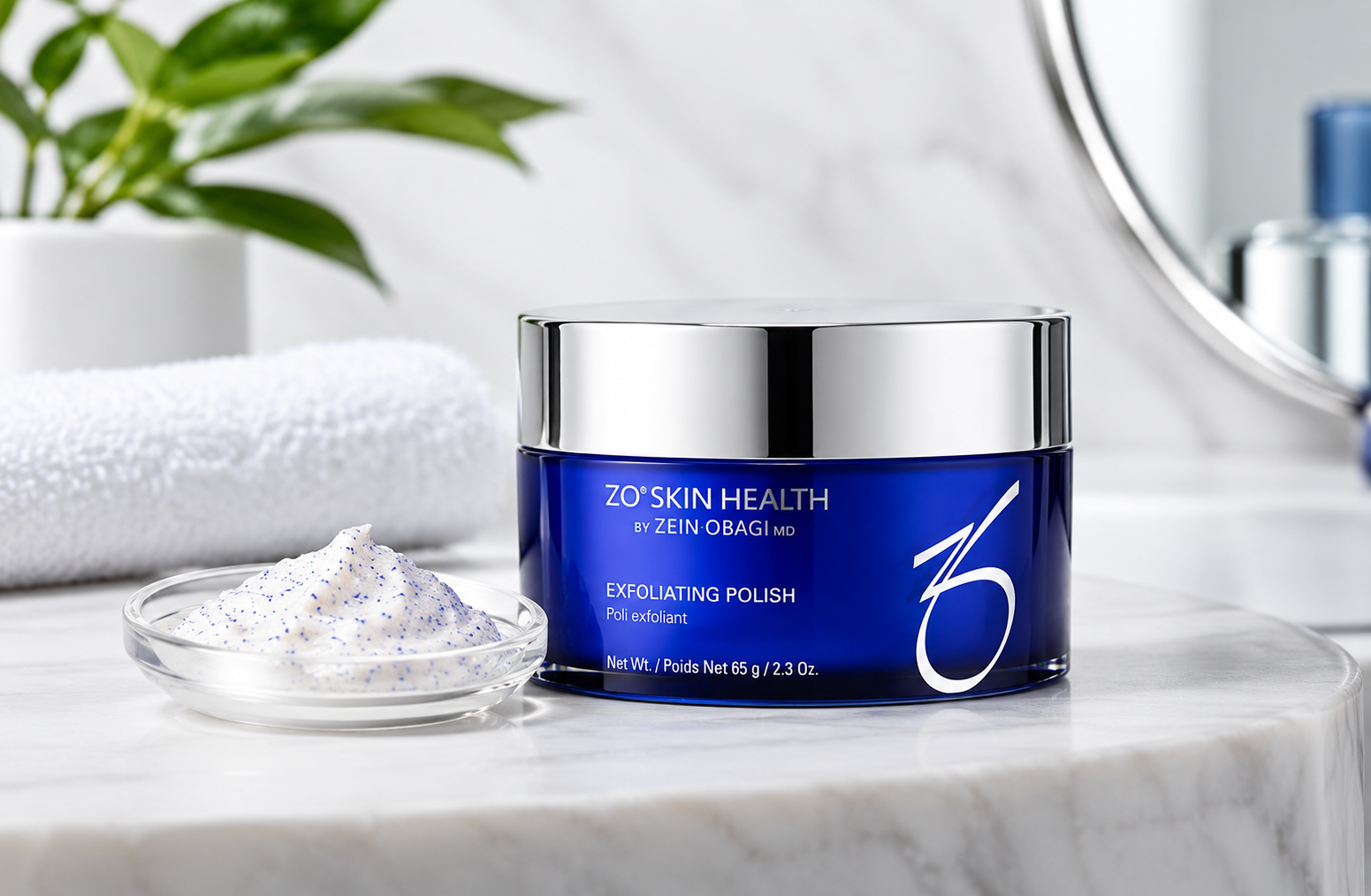
Described repeatedly as the best physical exfoliator available for dry, sensitive skin, with results that make the price worth it despite sitting at a higher cost than drugstore alternatives. The scrub itself is extremely fine, effectively removing flakes and dry patches without causing micro-cuts or damaging the skin barrier the way coarser physical scrubs often do. For anyone who specifically prefers the sensation and immediate visible smoothness of a physical scrub over a chemical formula, this is the pick that manages to deliver that experience without the usual downsides.
Best Budget Chemical Exfoliator: The Inkey List PHA Toner
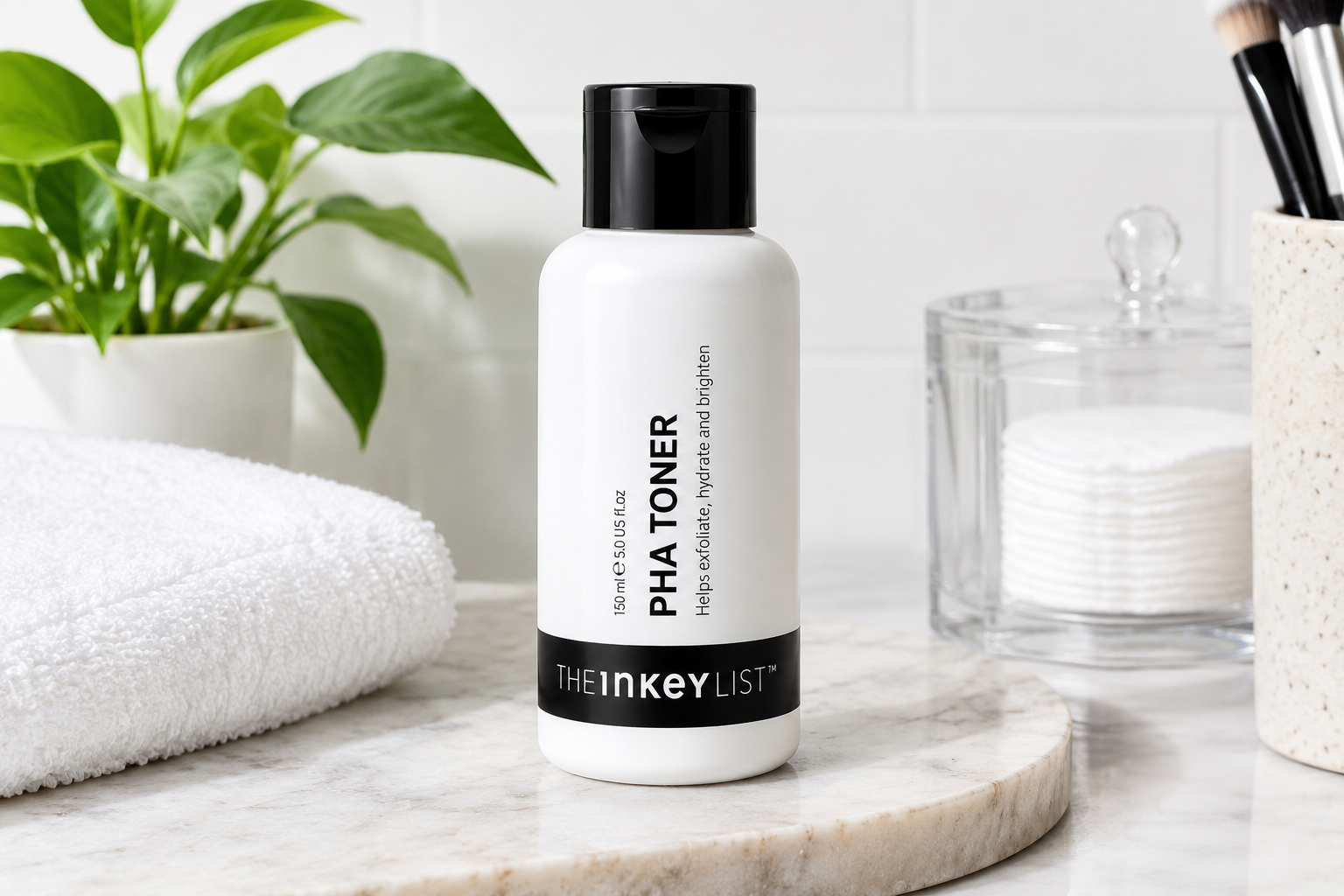
If you're new to chemical exfoliation, or your skin tends to react to most new products you try, this is the gentle, budget-friendly entry point worth starting with before investing in anything pricier. PHAs work with larger molecules than AHAs or BHAs, meaning they work more slowly and superficially on the skin's surface — a real advantage for sensitive skin specifically, since it means gradual, controlled exfoliation rather than an intense, fast-acting reaction that can catch reactive skin off guard.
Best Drugstore Find: Neutrogena Hydro Boost Exfoliating Cleanser
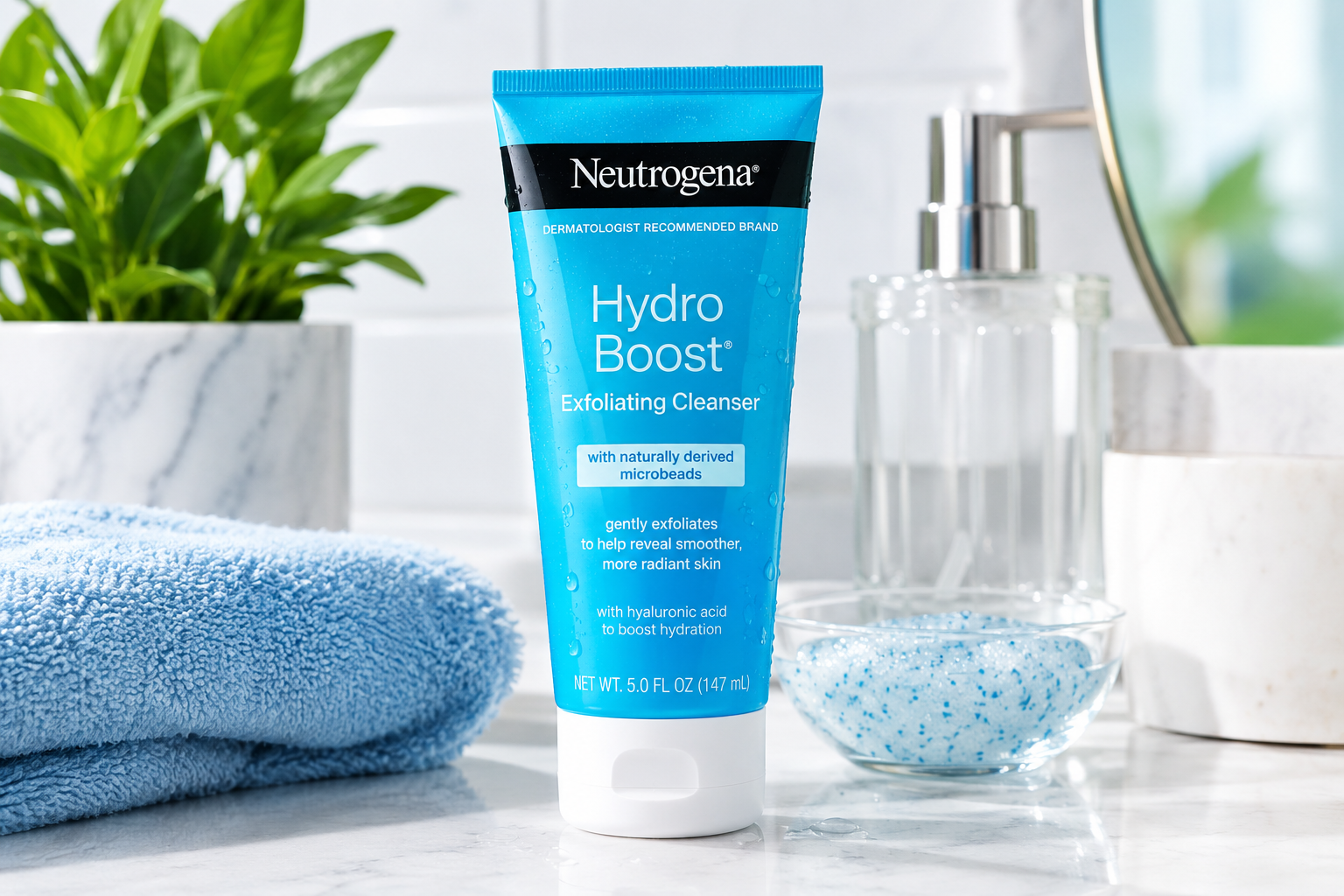
An affordable option that combines gentle exfoliation with a genuinely serious dose of hydration built into the same formula, making it a solid pick for consistent, everyday gentle care rather than an occasional intensive treatment reserved for special occasions. It's a good choice for anyone who wants to build exfoliation into a daily or near-daily habit without needing to layer a separate hydrating step afterward to compensate for dryness.
Best For Soothing: Dermalogica Daily Milkfoliant Exfoliator
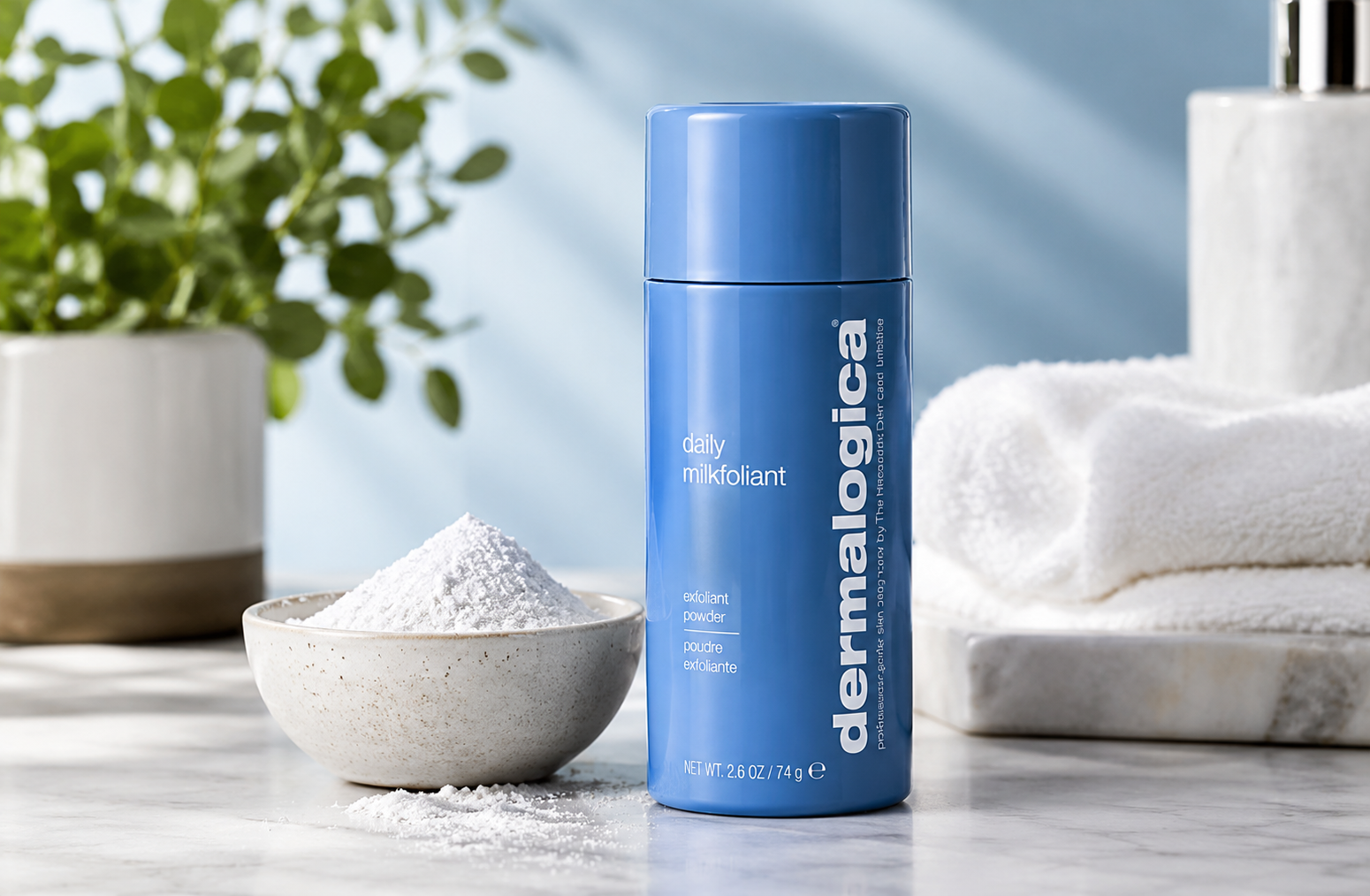
For sensitive or reactive dry skin specifically, this calming powder exfoliant actually replenishes the moisture barrier while gently exfoliating at the same time — a rare and genuinely winning combination, since most exfoliators trade off one benefit for the other rather than delivering both simultaneously. The powder-to-milk texture, activated with water during application, is also a genuinely pleasant sensory experience that a lot of reviewers specifically call out as part of why they've stuck with it long-term.
Best For Beginners: SELFLESS by Hyram Mandelic Acid & Rice Bran Gentle Exfoliating Serum
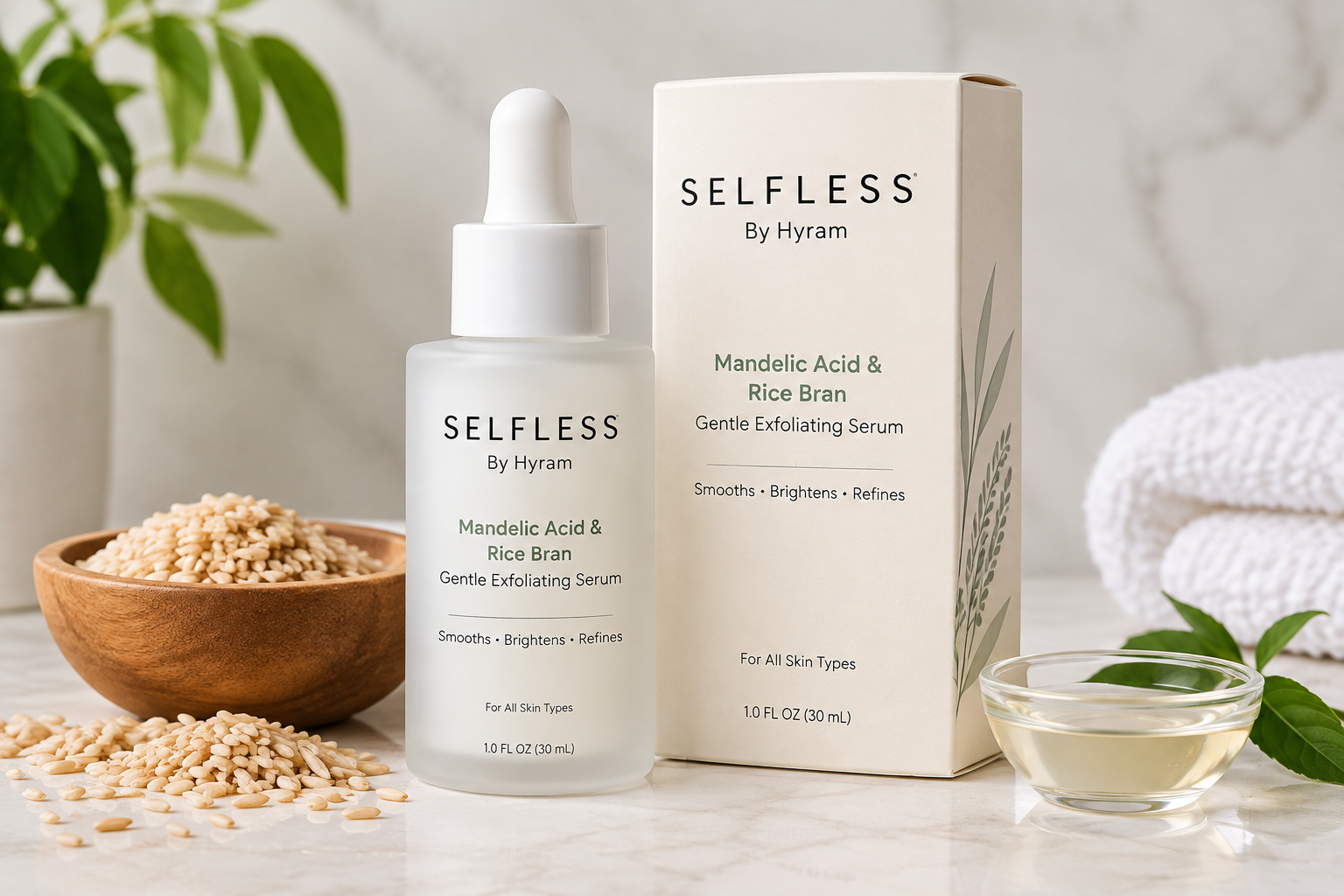
Formulated with a combination of mandelic acid, PHA, rice bran, and salicylic acid, this one is specifically called out as incredibly gentle on sensitive skin — a genuinely good beginner-friendly and sensitive-skin-friendly option if you've never tried a chemical exfoliant before and want to ease in carefully rather than starting with a stronger, more established acid like glycolic. Mandelic acid in particular has a larger molecular structure than glycolic acid, which means slower penetration and a gentler overall experience, similar in principle to how PHAs behave.
Best Basic, Reliable Option: Cetaphil Extra Gentle Daily Scrub
Formulated with micro-fine granules specifically designed to be gentle enough for daily use, even on sensitive skin.It's non-irritating and non-comedogenic, and it carries dermatologist testing specifically validated for sensitive skin types.Real user reviews consistently describe it as gentle and effective without triggering irritation, which is exactly the reassurance most people with reactive skin are looking for before trying something new and unfamiliar. It's also one of the more affordable, widely available options on this list, making it an easy first purchase if you're not ready to commit to a pricier specialty formula yet.
Other Options Worth Knowing
A few additional formulas show up consistently in reviews and expert recommendations for this specific skin type. The SkinCeuticals Micro-Exfoliating Scrub offers another gentle physical option with a genuinely fine texture. PCA Resurfacing Serum has developed a following specifically for delivering gentle daily exfoliation without irritating reactive skin, described by one long-term user as their favorite way to work exfoliation into a daily routine without ever compromising their skin barrier. And the SkinMedica AHA/BHA Exfoliating Cleanser, while combining two acid types that might sound intense for sensitive skin, is formulated gently enough for daily use and specifically praised for removing leftover makeup and pollutants without the tightness or dryness a lot of cleanser-exfoliant hybrids can leave behind.
How To Actually Use A Gentle Exfoliator Without Overdoing It
Even the gentlest formula can cause problems if it's overused, and frequency matters just as much as formula choice when it comes to protecting a sensitive skin barrier. Two to three times a week is a reasonable starting frequency for chemical exfoliants on dry, sensitive skin — daily use is generally reserved only for the mildest formulas specifically labeled safe for that frequency, like some PHA toners and enzyme-based options that are formulated with daily use in mind from the start.
Physical scrubs should generally be used even less often than chemical exfoliants, since the physical buffing action carries a higher inherent risk of micro-tears with repeated use, regardless of how fine the particles are. Alternating between a physical and chemical method, rather than using both types daily, tends to give skin more recovery time between exfoliation sessions while still delivering consistent results over the course of a week.
Patch-testing any new exfoliator before applying it to your full face is genuinely worth the extra day it takes to do properly. Sensitive skin can react unpredictably to a new formula, even one specifically marketed as gentle, and catching that reaction on a small test patch — typically applied to the inner arm or behind the ear — is far better than discovering an irritation across your entire face after a single full application.
What To Check On The Label
A few specific keywords are worth looking for when shopping this category. "Gentle," "dermatologist tested," and "non-comedogenic" all signal a formula built with reactive skin genuinely in mind, rather than an afterthought added to marketing copy. Checking the ingredient list specifically for lactic acid, PHA, or fruit enzymes — rather than harsher AHAs or BHAs used at high concentrations — is also a reliable way to gauge how gentle a formula will actually perform before trying it on your own skin.
Fragrance is another detail worth checking closely for genuinely sensitive skin. Even a formula that's gentle in terms of its actual exfoliating ingredients can still trigger irritation from added fragrance, so a fragrance-free version of any of the products above is generally the safer choice if fragrance sensitivity has been an issue for you in the past.
Building Exfoliation Into A Broader Routine
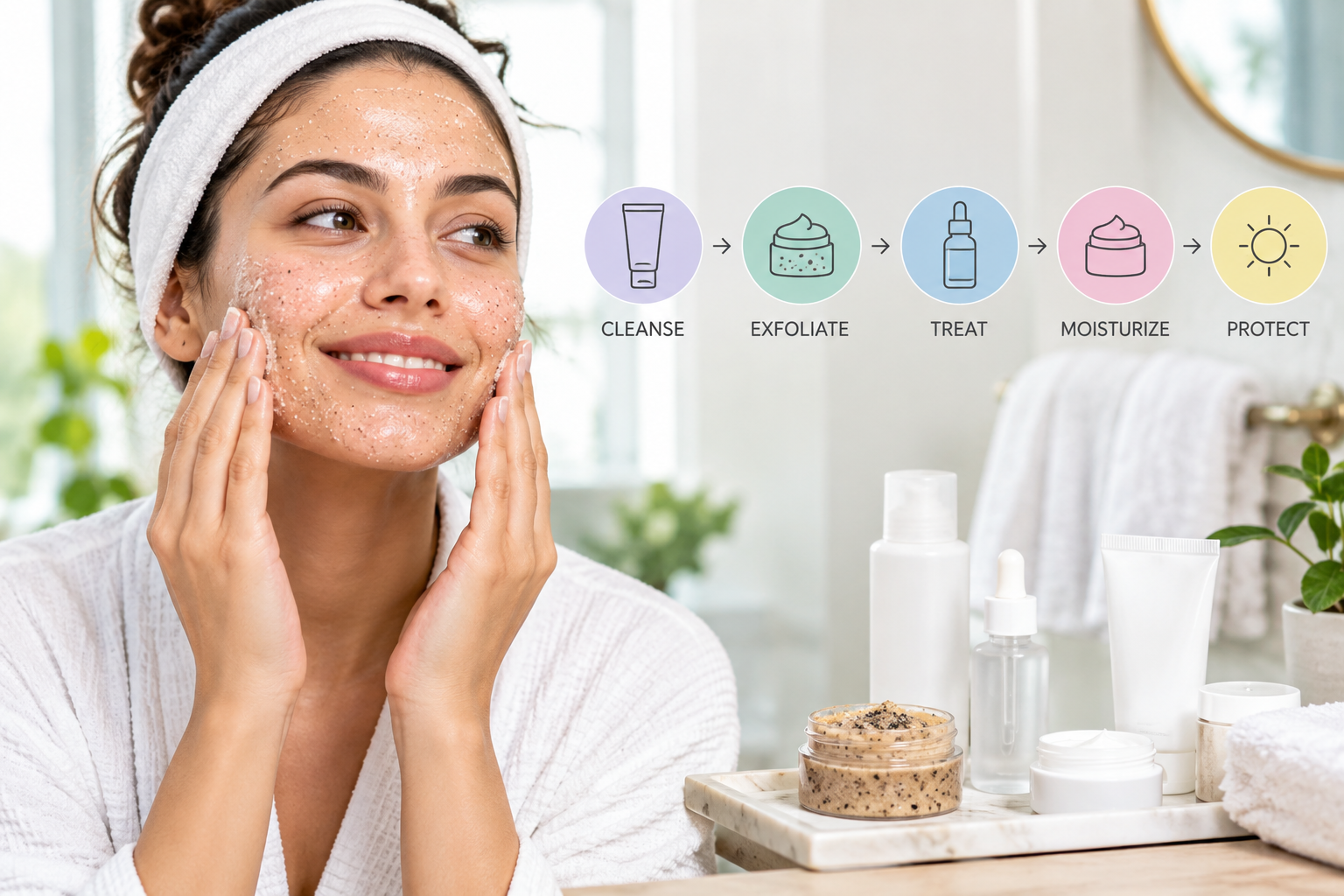
Exfoliation works best as one piece of a broader routine built around supporting, rather than fighting, a fragile moisture barrier.Following any exfoliating step with a genuinely hydrating moisturizer — ideally one containing ceramides or hyaluronic acid — helps replace any moisture lost during the exfoliation process itself and reduces the odds of post-exfoliation dryness or tightness. Sunscreen also becomes more important than usual on days you exfoliate, since freshly exfoliated skin is temporarily more vulnerable to UV damage than skin with its full layer of dead surface cells still intact.
The Bottom Line
Dry, sensitive skin doesn't need to skip exfoliation entirely — it needs a formula built specifically for that particular combination of concerns, rather than a generic option that happens to work reasonably well for other skin types. Lactic acid, PHA, and fruit enzyme formulas consistently outperform harsher AHAs, BHAs, or coarse physical scrubs for this skin type specifically, and starting with a lower frequency before gradually working up is always the safer, more sustainable approach than diving in at full strength and risking a setback that takes weeks to recover from.
Share:

Stephanie Moore
Stephanie Moore is a Content Editor at Woman With Us with 5+ years of experience in fashion, beauty, and lifestyle content. She edits and refines blogs to make them clear, engaging, and helpful for readers.
Reviews
No reviews yet!