Frizzy Hair Treatment: A Practical Guide To Smoother Strands
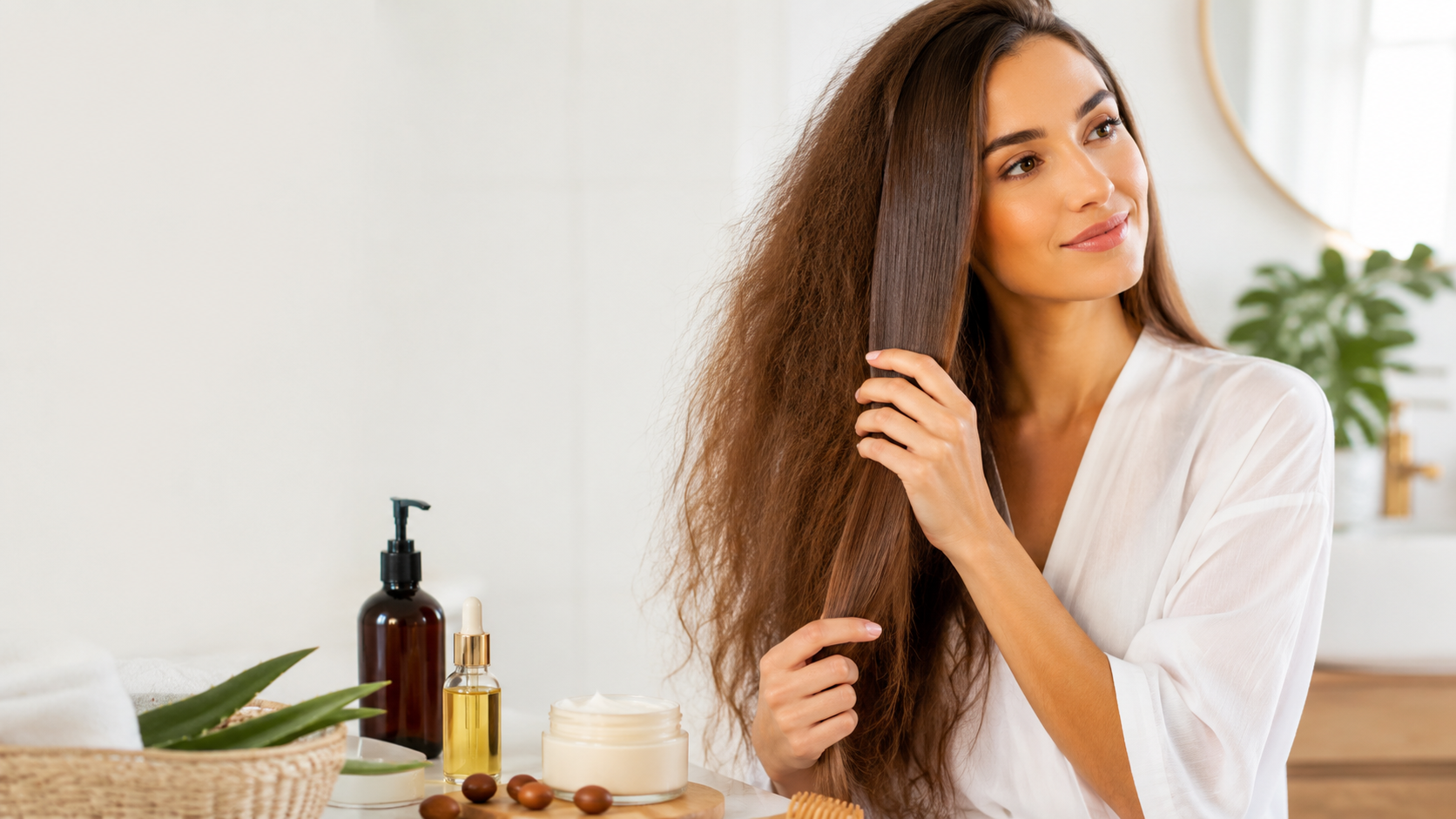
Frizzy hair can feel like a daily battle, especially when nothing seems to work consistently.Finding the right frizzy hair treatment, though, comes down to understanding your hair's specific needs rather than chasing trendy products.Once you know what actually helps, managing frizz becomes far less frustrating. So, let us go through the most effective treatment options available.
Understanding What Causes Frizz
Before choosing a treatment, it helps to understand why frizz happens in the first place. Frizz occurs when the hair's outer cuticle layer becomes rough or lifted.
This roughness allows moisture from the air to enter unevenly, causing strands to swell and separate.Additionally, dry, damaged, or porous hair tends to experience frizz more frequently than healthy, well-moisturized strands.Therefore, effective frizzy hair treatment usually focuses on repairing this cuticle layer rather than simply hiding the frizz temporarily.
Deep Conditioning As A Core Treatment Step
Deep conditioning remains one of the most effective treatments for frizz-prone hair. Unlike regular conditioner, it delivers a more concentrated dose of moisture and repair.
Look for deep conditioners containing shea butter, glycerin, or hyaluronic acid, since these ingredients help lock in hydration.Furthermore, using a deep conditioner once or twice weekly often produces noticeable improvement within just a few sessions.This consistent moisture support addresses frizz at its root rather than just smoothing the surface temporarily.
Protein treatments can also help if frizz comes paired with weakened or damaged strands.However, overusing protein without balancing it with moisture can sometimes worsen dryness.Consequently, alternating between moisture and protein treatments often works better than relying on just one approach.
Leave-In Products For Ongoing Frizz Control
Beyond deep treatments, daily leave-in products play a major role in maintaining smoothness. These products provide continuous support between more intensive treatment sessions.
Leave-in conditioners help maintain hydration throughout the day, especially in humid or dry environments.Additionally, lightweight serums or creams can smooth the cuticle and reduce flyaways without weighing hair down. Applying these products to damp hair typically produces the best, most natural-looking results.
Avoid alcohol-based styling products, since these can dry out hair and increase frizz over time.Instead, look for silicone-free or water-based formulas if your hair tends to feel heavy easily.Overall, choosing lightweight, hydrating products supports long-term frizz control far better than heavy, drying alternatives.
Professional Treatment Options Worth Considering
For particularly stubborn frizz, professional treatments can offer more dramatic, longer-lasting results. These options typically require a salon visit but can significantly reduce daily maintenance.
Keratin treatments work by temporarily smoothing the hair cuticle, reducing frizz for several weeks or months.Beyond that, deep conditioning treatments performed in-salon often use stronger formulas than what is available for home use.Fortunately, many salons now offer treatments tailored to different hair types and frizz severity levels.
That said, these treatments come with a higher cost and sometimes involve chemicals worth researching beforehand.Therefore, discussing your hair's specific needs and concerns with a professional stylist helps ensure the right treatment choice.This conversation can also help you avoid treatments that might not suit your hair type.
Building Frizz Prevention Into Your Routine
Treatment alone will not fully solve frizz without supporting daily habits. Small routine adjustments can significantly extend the results of any treatment you choose.
Switching to a microfiber towel or an old cotton t-shirt reduces friction while drying hair.Additionally, using a wide-tooth comb instead of a brush minimizes unnecessary breakage and frizz.Sleeping on a silk or satin pillowcase further reduces friction overnight, helping maintain smoothness between wash days.
Reducing heat styling frequency also supports long-term frizz control significantly. Moreover, when heat styling is necessary, always using a heat protectant helps minimize additional cuticle damage. As a result, combining these habits with regular treatment leads to more consistent, lasting improvement.
Final Thoughts
Choosing the right frizzy hair treatment comes down to combining consistent deep conditioning, supportive daily products, and gentle handling habits.Focus on hydrating ingredients and consider professional treatments if home care alone is not enough.Finally, be patient, since real improvement often takes several weeks of consistent care to fully show.With the right approach, smoother, more manageable hair is genuinely achievable.
Share:

Stephanie Moore
Stephanie Moore is a Content Editor at Woman With Us with 5+ years of experience in fashion, beauty, and lifestyle content. She edits and refines blogs to make them clear, engaging, and helpful for readers.
Reviews
No reviews yet!