What Skincare Products Work Best For Oily Skin?
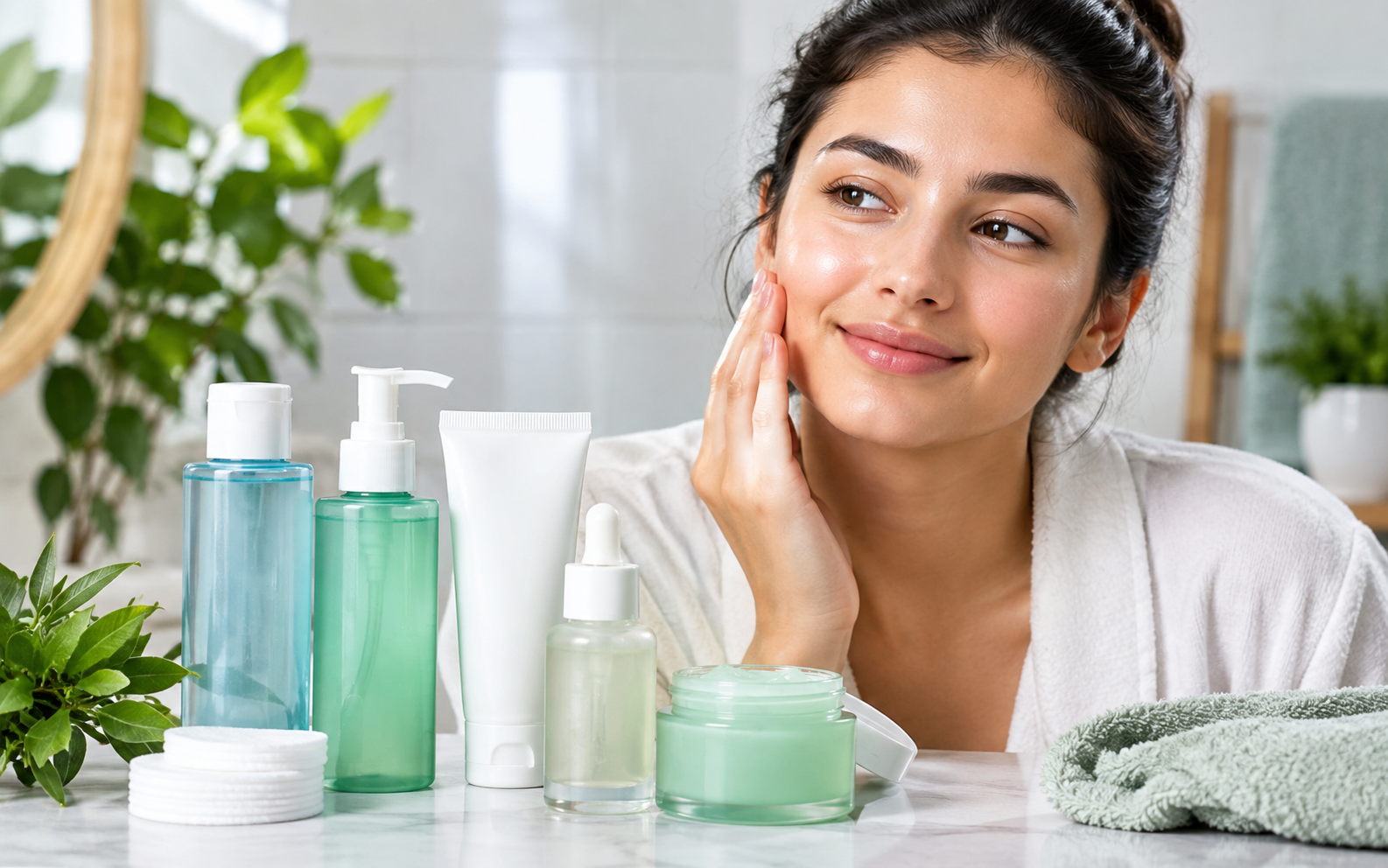
Oily skin gets a bad reputation it doesn't fully deserve. The goal was never to eliminate oil entirely — skin needs some natural oil to stay healthy, protected, and properly moisturized — it's about keeping things balanced rather than stripped. As Yon-Ka Paris puts it, the best products for oily skin are the ones that reduce excess shine without over-drying skin in the process. Strip too much oil away, and skin often responds by producing even more to compensate, which is exactly the cycle a lot of harsh, aggressively "oil-fighting" products accidentally create in the first place.
Understanding this balance is really the foundation of building a routine that actually works, rather than one that fights against your skin's natural behavior.
Understanding What's Actually Happening With Oily Skin

Oily skin typically produces excess sebum, which can contribute to visible shine, enlarged-looking pores, congestion, and more frequent breakouts than drier skin types experience. The instinct is often to attack that oil aggressively, but the more effective long-term approach focuses on products that cleanse thoroughly, hydrate lightly, and avoid leaving heavy residue behind — supporting the skin's natural balance rather than trying to override it entirely.
The Core Routine: Five Product Types
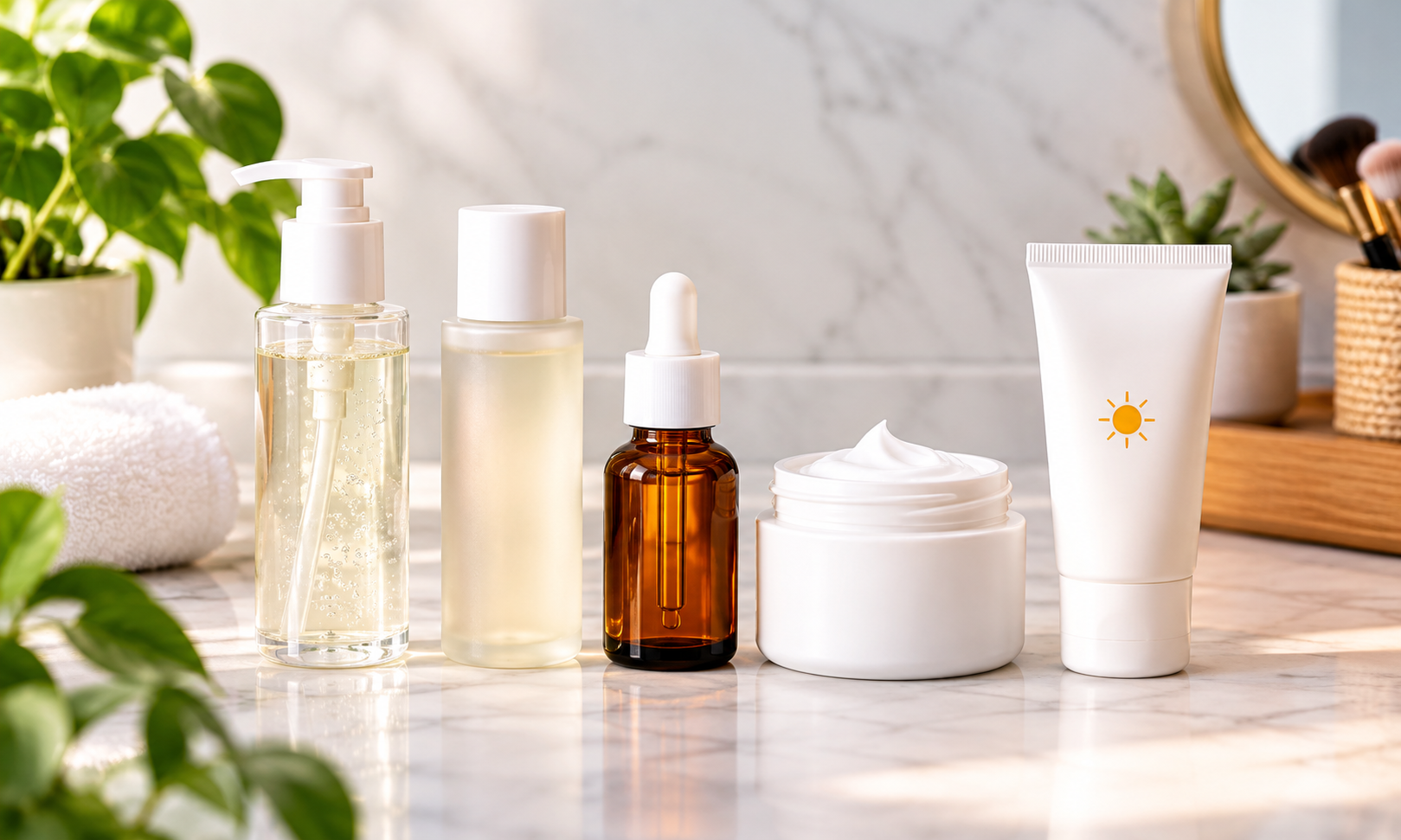
A practical oily-skin routine generally comes down to five categories: cleanser, toner, treatment, moisturizer, and sunscreen, with an occasional mask or exfoliant added in for extra clarity when needed. None of this requires an elaborate ten-step routine — the basics done consistently matter significantly more than the sheer number of products involved. A lot of people with oily skin actually over-complicate their routines, adding more products in an attempt to control shine, when a simpler, more consistent approach usually performs better.
Cleanser: The Foundation Step
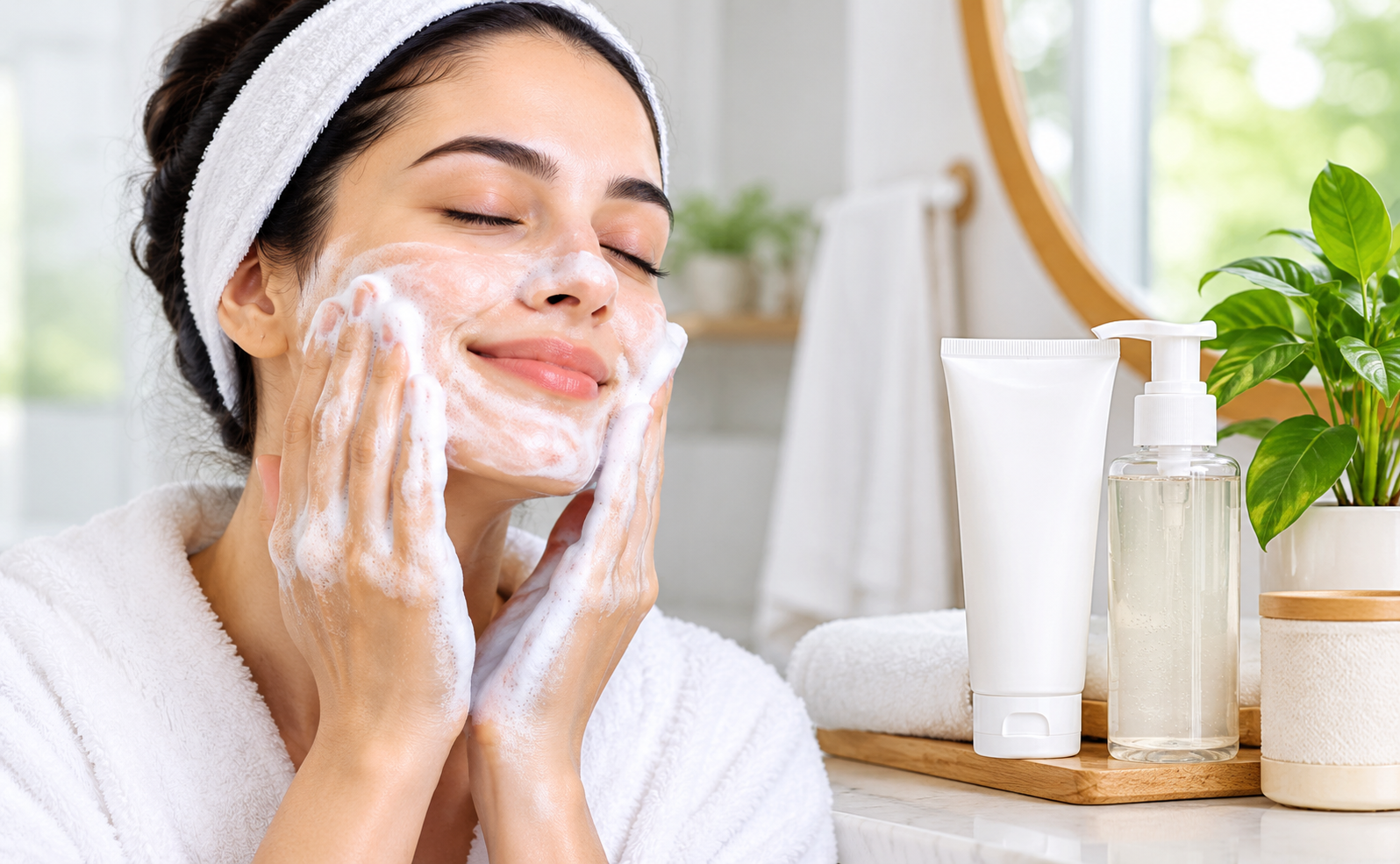
A cleanser for oily skin needs to remove excess oil, sunscreen and daily debris without leaving skin feeling stripped, tight, or squeaky-clean in a way that signals it's been over-cleaned.Over-cleansing is one of the more common mistakes in this category — an aggressive scrub or a harsh foaming formula used too frequently can actually disrupt the skin barrier and make oil production harder to manage over time, not easier. A low-residue, gentle facial cleanser is generally the safer and more sustainable starting point compared to anything marketed as a deep, intensive clean.
CeraVe Foaming Facial Cleanser consistently comes up as a strong pick across skincare roundups, formulated with niacinamide, hyaluronic acid, and ceramides that help support the skin barrier while still cleansing thoroughly enough for oily skin's needs. It manages to walk the line between effective oil removal and barrier support, which is exactly the balance oily skin cleansers need to strike.
For anyone drawn to the Korean skincare approach, a double cleanse an oil-based cleanser first, followed by a water-based one has also developed a strong and genuinely loyal following.It works on the principle that oil actually helps lift oil and other oil-based impurities like sunscreen more effectively than water-based cleanser alone, leaving skin feeling clean without the tight, over-stripped sensation that a single harsh cleanse can produce. One user reviewing this method described using two pumps of oil cleanser on dry skin, massaging it in for about a minute, then adding water to emulsify it into a milky texture that rinses away cleanly, followed by a water-based cleanser to finish.The consistent feedback across reviews of this method is smoother, cleaner skin without the post-cleanse tightness that often prompts people to reach for heavier moisturizers than they actually need.
Toner: Optional, But Useful When Chosen Carefully
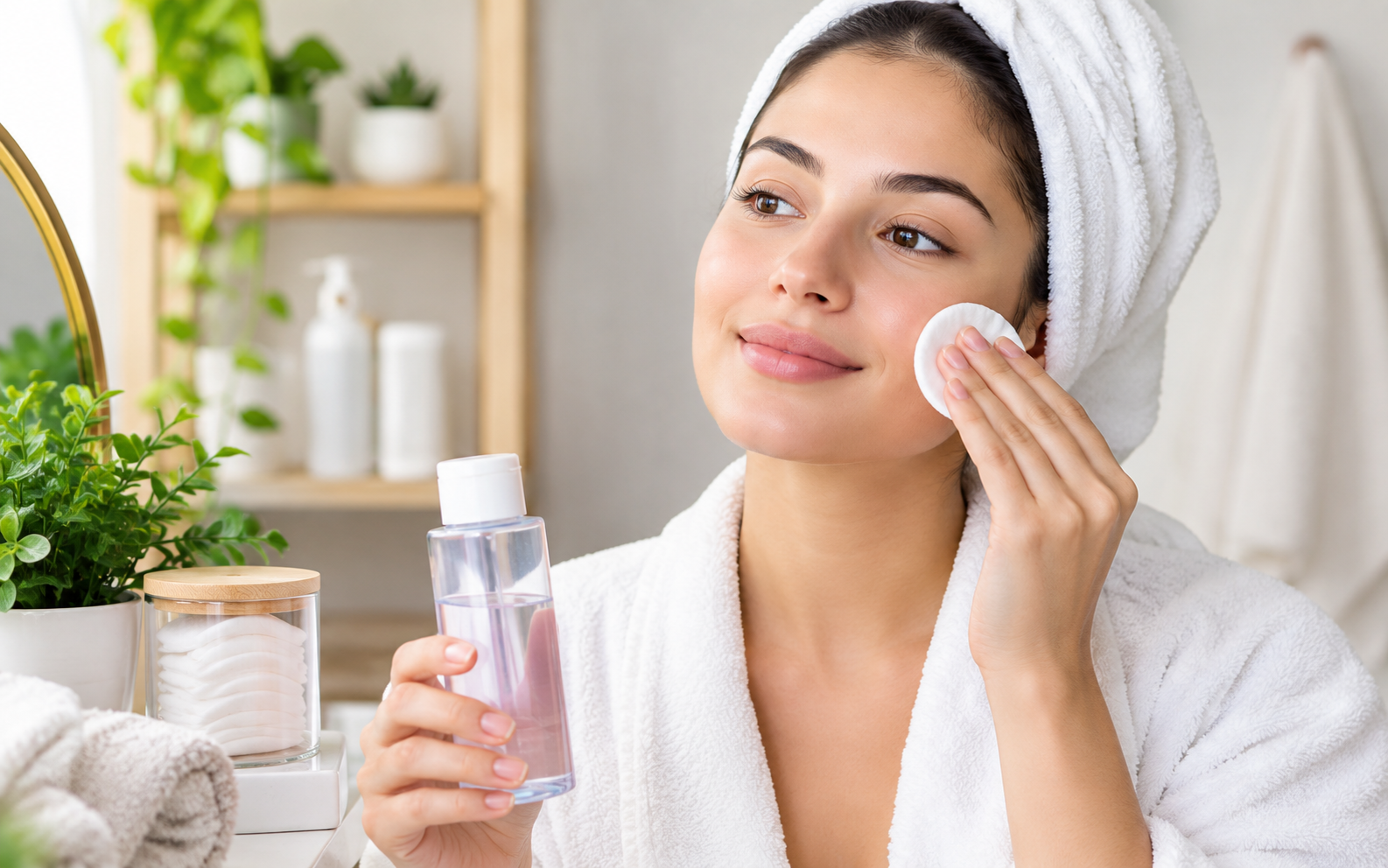
Toners aren't strictly essential to an oily skin routine, but for many people, a lightweight, non-sticky formula can help remove leftover residue after cleansing while supporting a more balanced, refreshed feel. The key is avoiding older-style astringent toners loaded with alcohol, which tend to over-dry skin and trigger the same oil-rebound effect as harsh cleansers — a toner that leaves skin feeling tight or stinging is working against you, not for you.
The INKEY List's Salicylic Acid Cleanser and similar BHA-based formulas are commonly recommended in this category, since salicylic acid helps keep pores clear without being overly stripping when used at a reasonable, moderate frequency. Toners built around gentle exfoliation like this tend to serve oily skin better than purely astringent, oil-stripping formulas from previous generations of skincare products.
Treatment (Serums): Where The Real Targeting Happens

This is where the most targeted, active ingredients come into play. According to Aveda, a good serum for oily skin can genuinely help regulate sebum production, minimize the visible appearance of pores, and smooth overall skin texture over time — but it's worth specifically choosing formulas that hydrate rather than relying on heavy oils or silicones that can sit on top of already-oily skin and contribute to congestion.
The Ordinary's Niacinamide 10% + Zinc 1% is one of the most widely recommended serums in this entire category, and for good reason — niacinamide has a strong, well-documented track record for helping regulate oil production over time while also supporting overall skin barrier health rather than compromising it. It's also genuinely affordable, which makes it an easy, low-risk entry point if you're building an oily-skin routine from scratch and don't want to invest heavily before knowing what actually works for your skin.
Serums generally absorb faster and are more potent than moisturizers, which is part of why they're applied earlier in a routine — on clean skin, before the heavier, sealing step of moisturizer locks everything in place.
Moisturizer: The Step Oily Skin Most Often Skips (And Shouldn't)
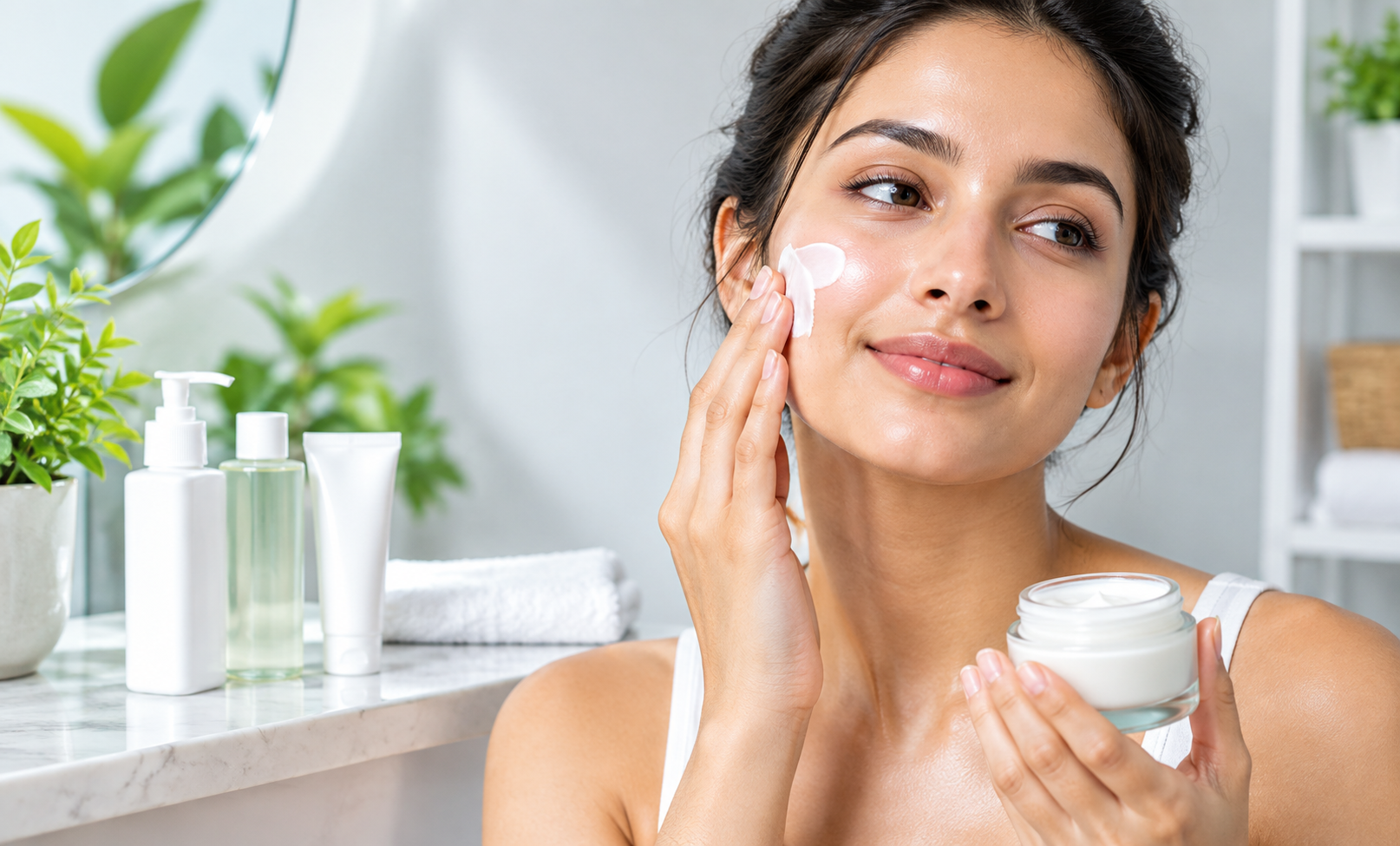
This is the step people with oily skin are most likely to skip entirely, and it's usually a genuine mistake. As dermatology-adjacent sources point out, hyaluronic acid is a particularly good ingredient to look for here because it's genuinely lightweight — it helps hydrate and support the skin barrier without adding noticeable heaviness or greasiness, which matters enormously for anyone already managing excess oil production. Skipping moisturizer because skin already feels oily tends to backfire, since dehydrated skin often responds by producing even more oil to compensate for the lost moisture, creating exactly the cycle a good moisturizer is meant to prevent.
Most moisturizers formulated specifically for oily skin are also designed to absorb quickly, generally within about ten minutes, so there's no lingering greasy or heavy feeling afterward the way a rich, dense cream might leave behind. CeraVe and The INKEY List's Omega Water Cream both come up frequently as lightweight, non-comedogenic options that hydrate effectively without clogging pores or adding visible shine throughout the day.
For skin that's less oily but still combination-leaning, a light lotion containing ceramides can be a better fit — ceramides are naturally occurring fats found in skin that help prevent moisture from evaporating and support the skin barrier, which in turn helps prevent bacteria and other irritants from penetrating deeper into skin's underlying structure.
Sunscreen: Non-Negotiable, But Choose The Right Texture
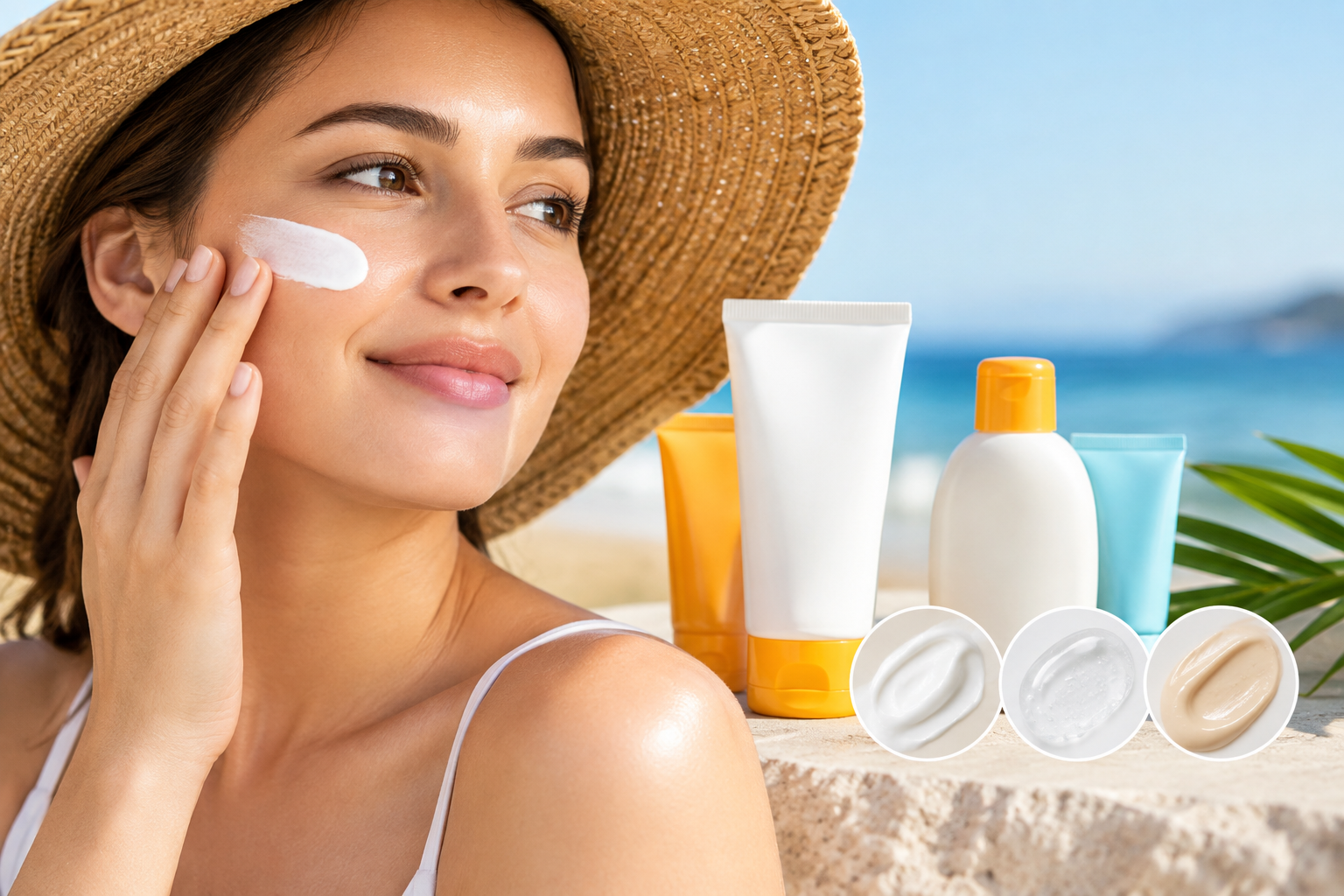
Sun protection is essential regardless of skin type, but oily skin specifically benefits from oil-free, mattifying sunscreen formulas rather than heavier, cream-based options that can feel greasy layered on top of an already oily complexion throughout the day. La Roche-Posay is frequently recommended specifically for its oil-free sunscreen lineup that doesn't compromise on broad-spectrum protection while still feeling comfortable on oily skin.
Skipping sunscreen, or substituting a moisturizer with built-in SPF instead of a dedicated sunscreen, is a common shortcut that tends to under-deliver on actual protection — most people simply don't apply enough moisturizer to hit the labeled SPF number, leaving real protection lower than expected.
Weekly Extras: Masks And Exfoliation

Beyond the daily basics covered above, clay masks are a popular occasional addition specifically for oily skin, since clay is genuinely effective at soaking up excess shine and drawing out impurities while still leaving skin feeling soft rather than stripped afterward. This is best used on an occasional basis — a reset rather than a daily habit — to avoid over-drying skin that's already working to stay balanced.
Exfoliation, used in moderation, helps remove dead skin cells, unclog stubborn blackheads, and improve overall texture over time. But this is very much a "less is more" category for oily skin specifically — overdoing exfoliation tends to backfire into irritation, a compromised skin barrier, and often more oil production as skin tries to compensate for the disruption, rather than the clearer, more balanced skin most people are hoping for.
Brands Worth Knowing Across The Whole Routine

A handful of brands show up repeatedly across nearly every category covered here.CeraVe is known specifically for lightweight non-comedogenic moisturizers and cleansers that consistently work well for oily and combination skin.La Roche-Posay offers reliable oil-free sunscreens and mattifying products across its lineup.The Ordinary remains one of the most affordable options for serums built around proven ingredients like niacinamide and salicylic acid.Neutrogena has built a long-standing reputation for trustworthy oil-free cleansers and acne-focused treatments. And Clinique offers a full range of oil-control cleansers, toners, and lightweight moisturizers designed specifically with oily skin in mind.
Building The Routine Step By Step
For anyone just starting out, the advice across nearly every source on this topic is consistent: begin with the basics — a gentle cleanser, a lightweight moisturizer, and daily sunscreen — before adding anything more complex to the routine. Once that foundation feels consistent and comfortable, a toner and a targeted serum like niacinamide are natural next additions, with masks and exfoliants layered in occasionally rather than daily, once the core routine is solidly established.
Men with oily skin can generally follow a similar core structure, with a focus on simplicity: cleanse with a gel or foam formula to remove oil and sweat, tone to help control shine and minimize the look of pores, moisturize with something lightweight and oil-free, and protect with a broad-spectrum, oil-free sunscreen daily. For anyone who shaves regularly, non-comedogenic shaving creams or gels are also worth prioritizing specifically to avoid additional irritation and clogged pores on top of an already oil-prone complexion.
The Bottom Line
Oily skin doesn't need a routine built around stripping oil away entirely it needs one built around genuine balance.A gentle cleanser, a lightweight hydrating moisturizer, a niacinamide serum, and daily oil-free sunscreen cover the vast majority of what oily skin actually needs to look and feel its best. Everything else toners, masks, exfoliants is a genuine bonus once those basics are solidly in place, not a replacement for them.The most effective oily-skin routines tend to be the simplest ones, consistently applied, rather than the most elaborate.
Share:

Stephanie Moore
Stephanie Moore is a Content Editor at Woman With Us with 5+ years of experience in fashion, beauty, and lifestyle content. She edits and refines blogs to make them clear, engaging, and helpful for readers.
Reviews
No reviews yet!