Best Setting Powder For Oily Skin
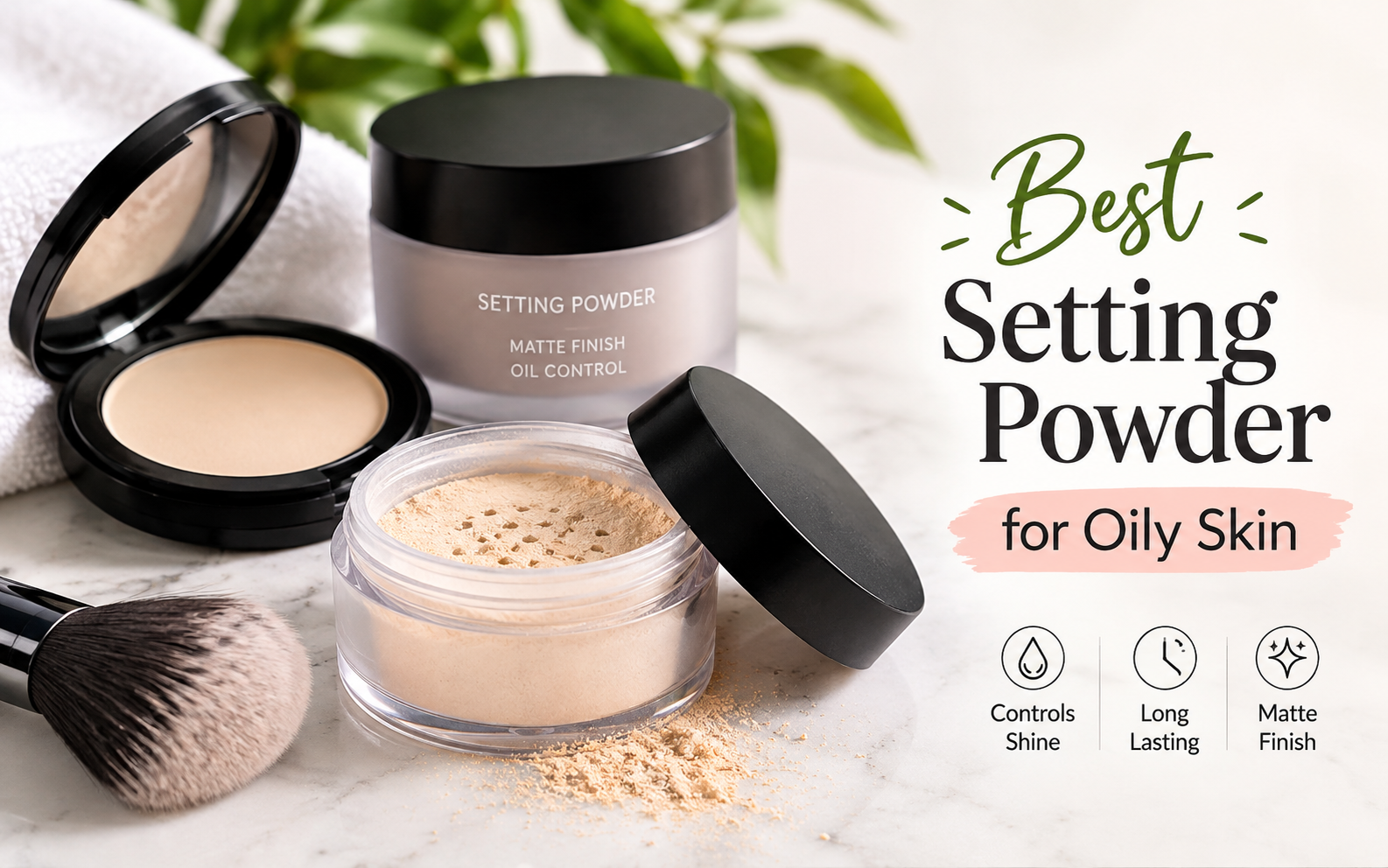
Oily skin has a specific kind of betrayal: makeup looks great for the first hour, and by 2 p.m. your T-zone has quietly undone all of it.Foundation slides, concealer creases around the nose, and the whole look softens into something you didn't intend. Setting powder is the step that actually fixes this — but only if you're using the right kind.
What Setting Powder Actually Does
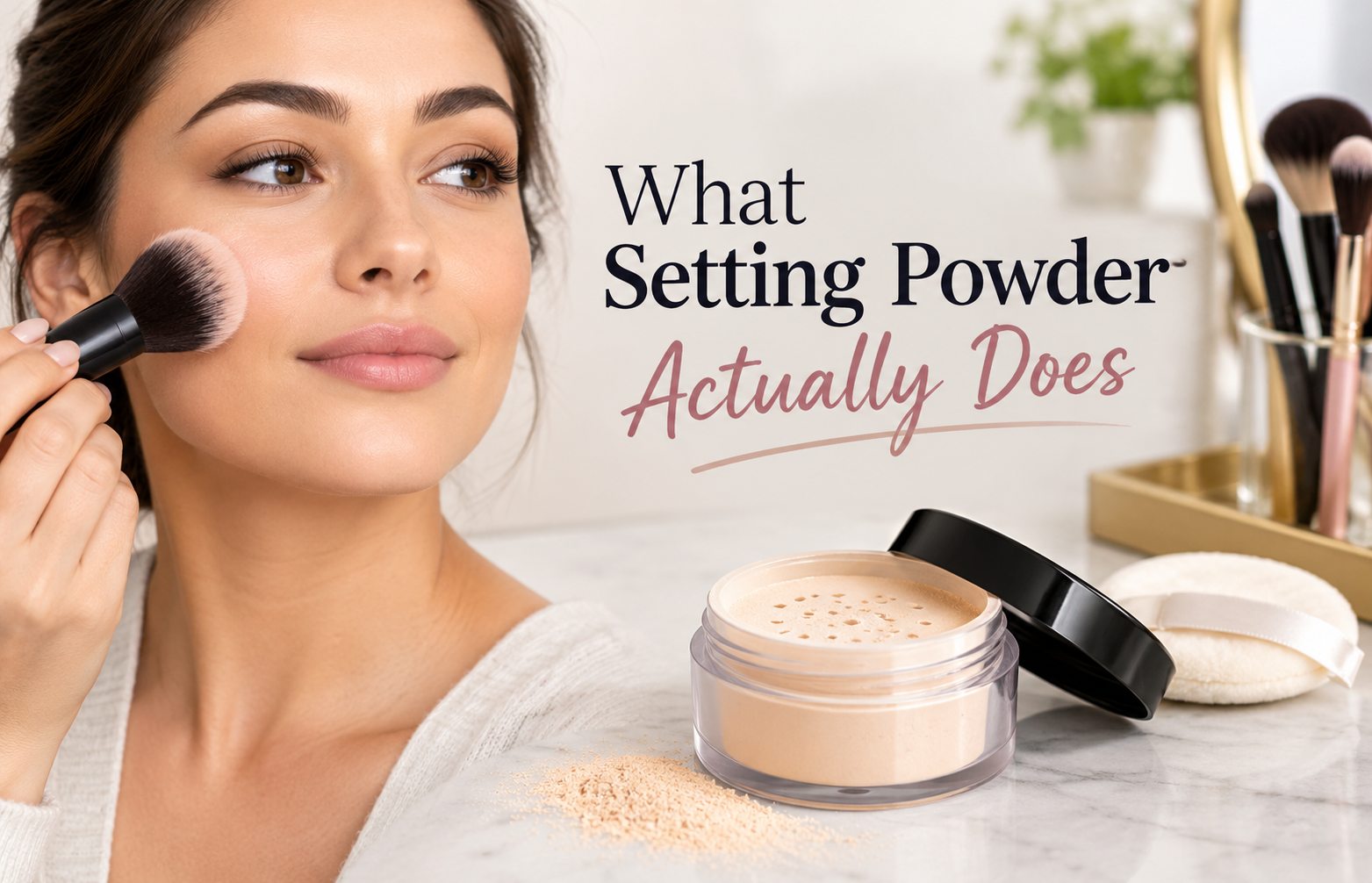
It's worth being clear about what this product can and cant do. Setting powder absorbs surface oil so shine returns more slowly, and it adds a light grip on top of foundation so your base doesn't slide or separate as easily through the day. What it can't do is stop your skin from producing oil in the first place — if you have genuinely oily skin, some midday touch-ups are still realistic, even with the best powder in your routine.
It's also worth double-checking that oily skin is actually the right diagnosis. A lot of people assume they're oily when they're actually dehydrated or combination skin, and using a heavy oil-control powder on skin that's dry underneath tends to look flat and chalky instead of shine-free.
The Editor Favorite: Laura Mercier Translucent Loose Setting Powder
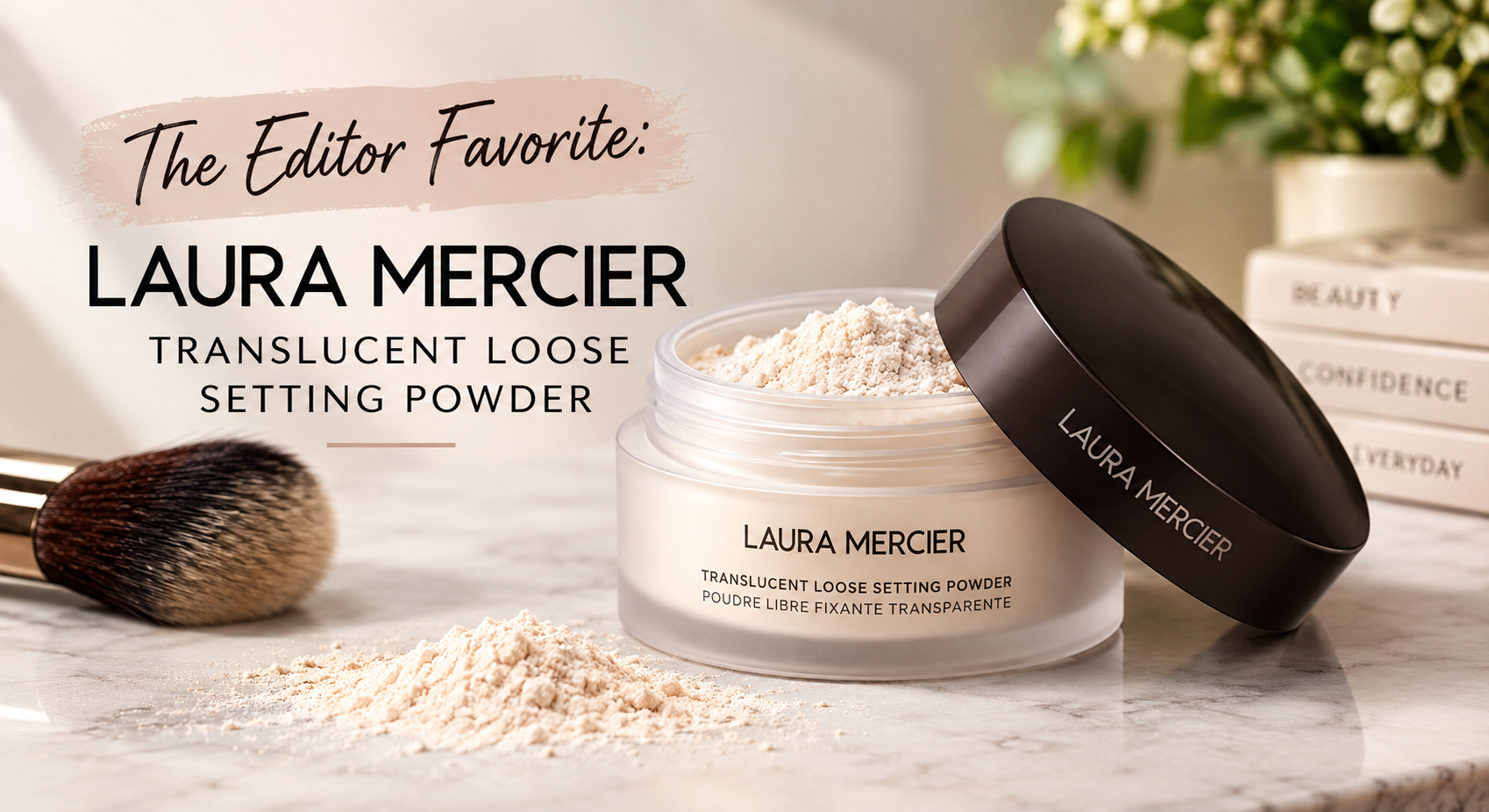
This one shows up on nearly every best-of list for a reason.According to Vogue Scandinavia, it disappears on the skin so completely you forget you're wearing it, while still creating a real barrier against sweat and humidity that keeps foundation from pooling around the nose by midday. Who What Wear echoed the same praise, noting how finely milled the formula is, and how well it controls shine without ever looking heavy or powdery.
The Everyday, Budget-Friendly Pick: INNISFREE No-Sebum Mineral Powder
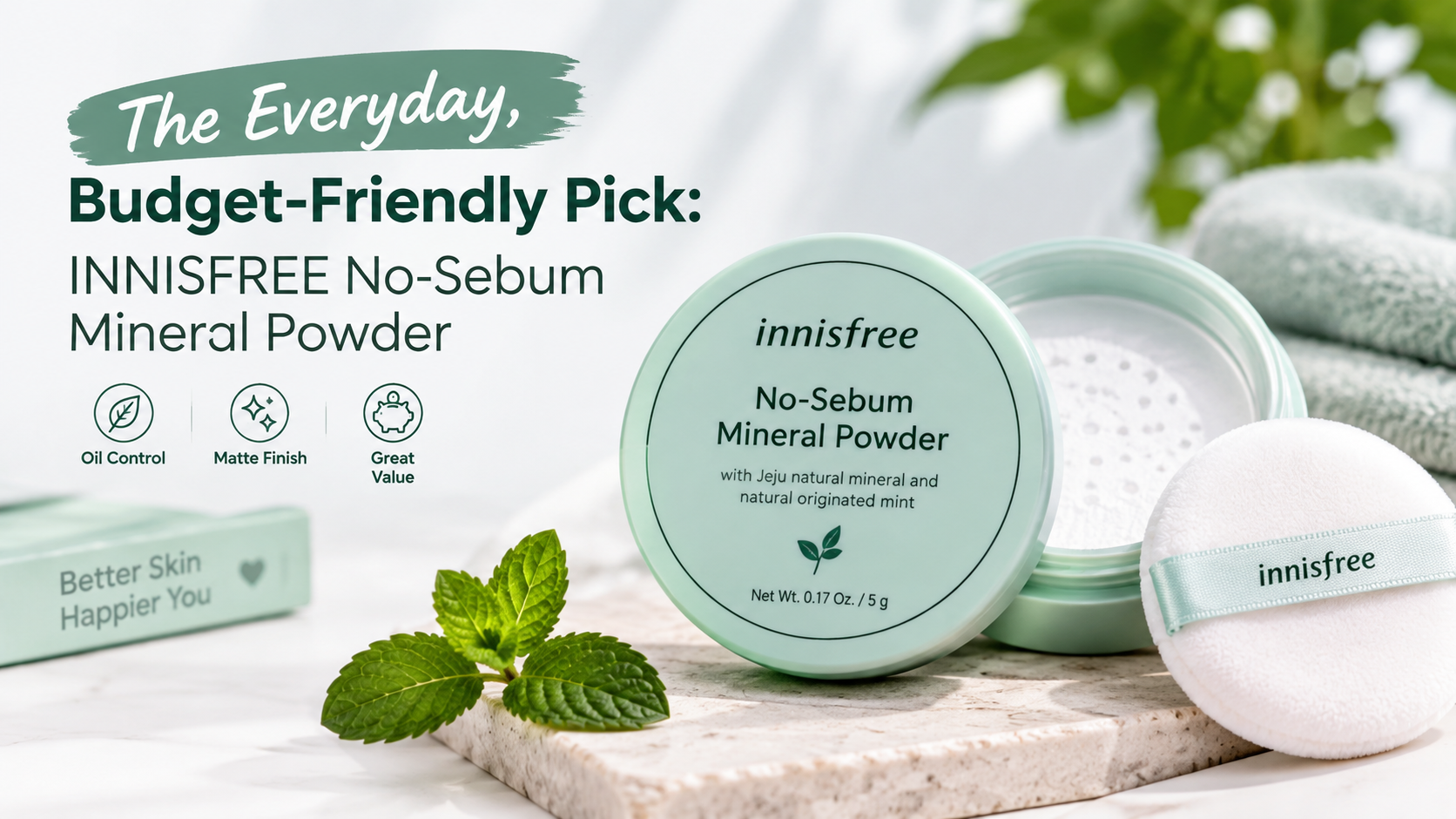
For daily wear, this is one of the most consistently recommended options specifically for targeted shine control in the T-zone. It's affordable, widely available, and built for exactly the kind of light, oil-absorbing touch-up most people actually need day to day rather than a full-face reapplication.
The Drugstore Option: NYX Mattifying Powder
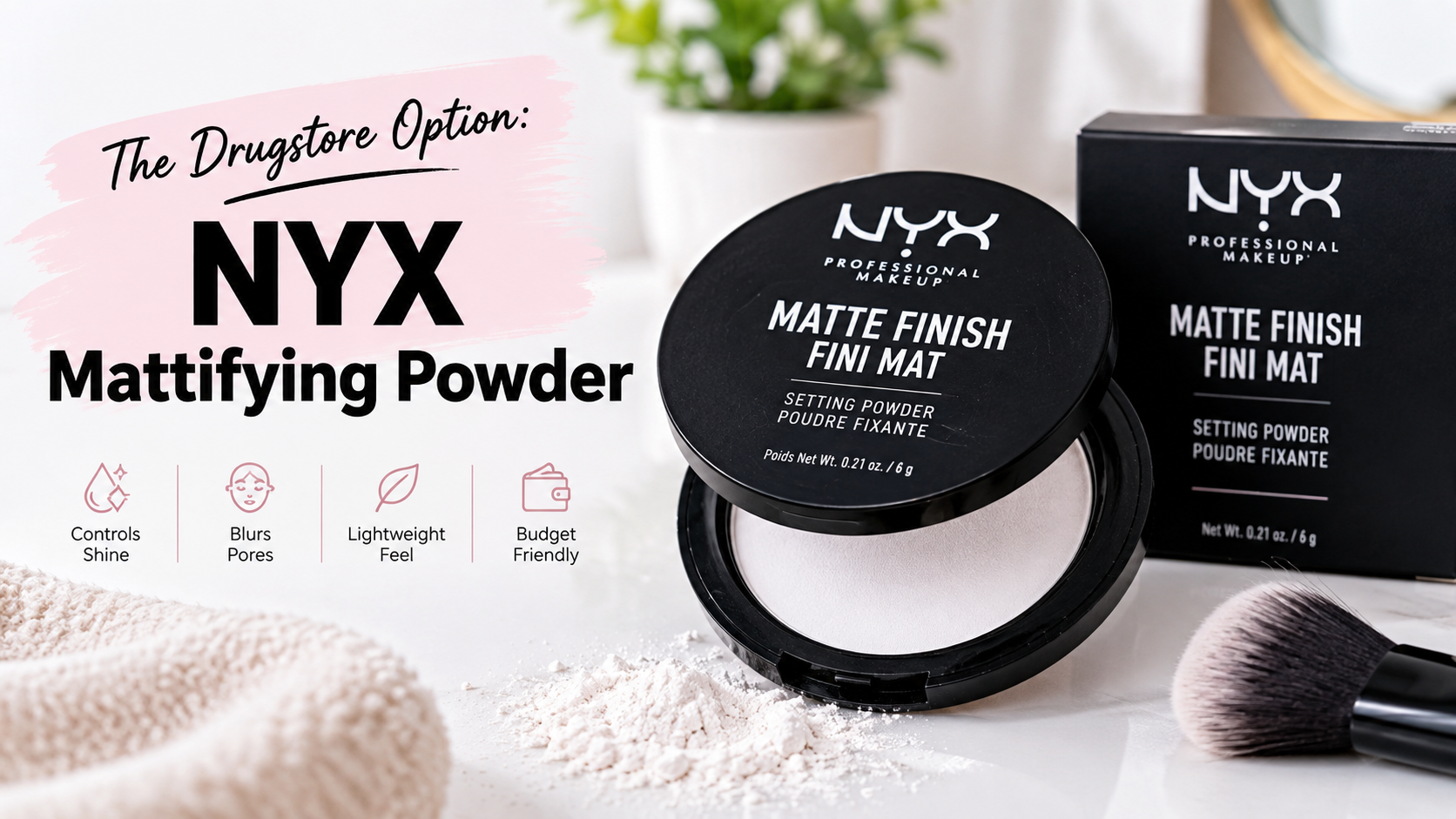
Part of NYX's line made specifically for oily skin, this powder is infused with oil-absorbing rice powder for a long-lasting, smooth matte finish that minimizes the look of oil and shine. It's available in a wide shade range and can be applied under or over makeup, which makes it a flexible pick whether you're setting a full face or just touching up midday.
The Ingredient-Conscious Pick: Talc-Free Options With Niacinamide
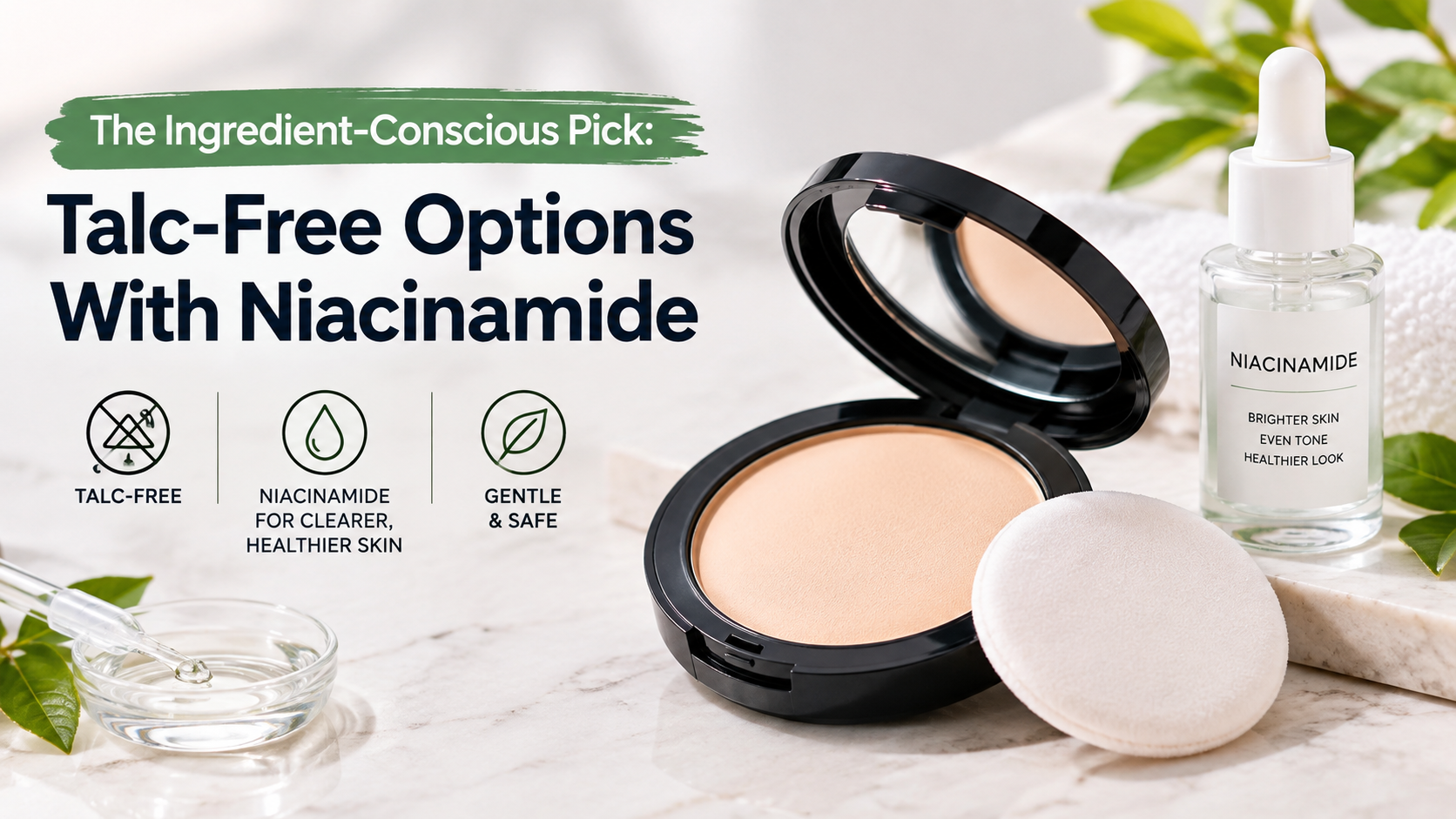
If ingredient sensitivity matters to you, look for talc-free, niacinamide-based formulas — they lock in makeup while leaving skin feeling silky rather than dry, and niacinamide specifically has a track record for helping regulate oil production over time, not just masking it in the moment.
How To Actually Apply It For Oily Skin
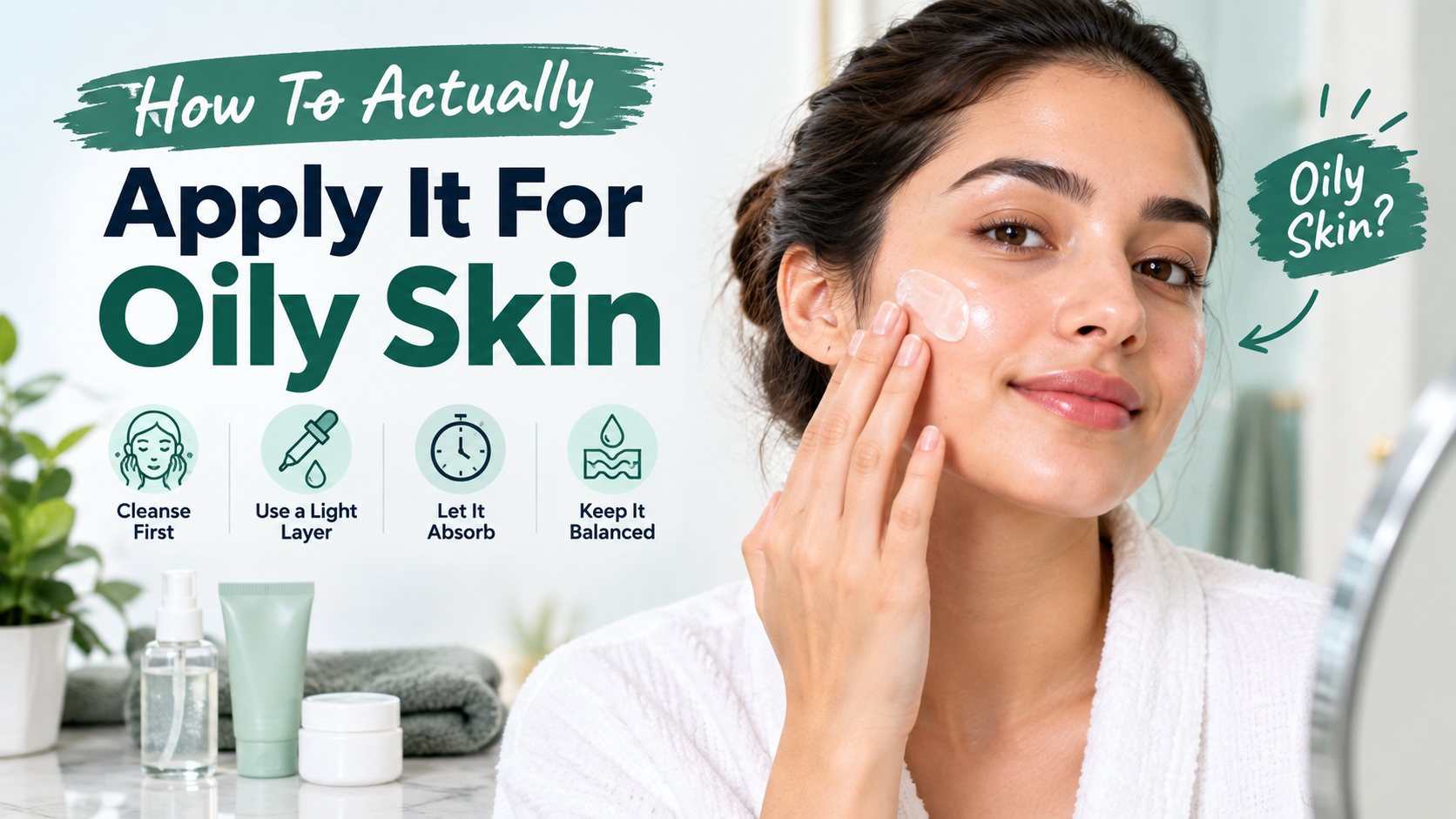
The brush matters more than people expect. A dense, flat-topped brush presses powder into skin for heavier coverage, while a large, fluffy dome brush sweeps it on for a lighter, more diffused finish — for most people, the dome brush is the better everyday choice, reserving the denser brush for the T-zone specifically or for photos and events where longevity matters more.
Watch out for flashback, too — the white cast that can show up in flash photography. It's almost always caused by silica or high concentrations of white-cast minerals reflecting light differently on camera than in person. Translucent powders with a yellow or neutral undertone, including so-called "banana powders," tend to be safer choices for avoiding this than anything with a stark white or lavender tint.
Setting Powder Vs. Finishing Powder
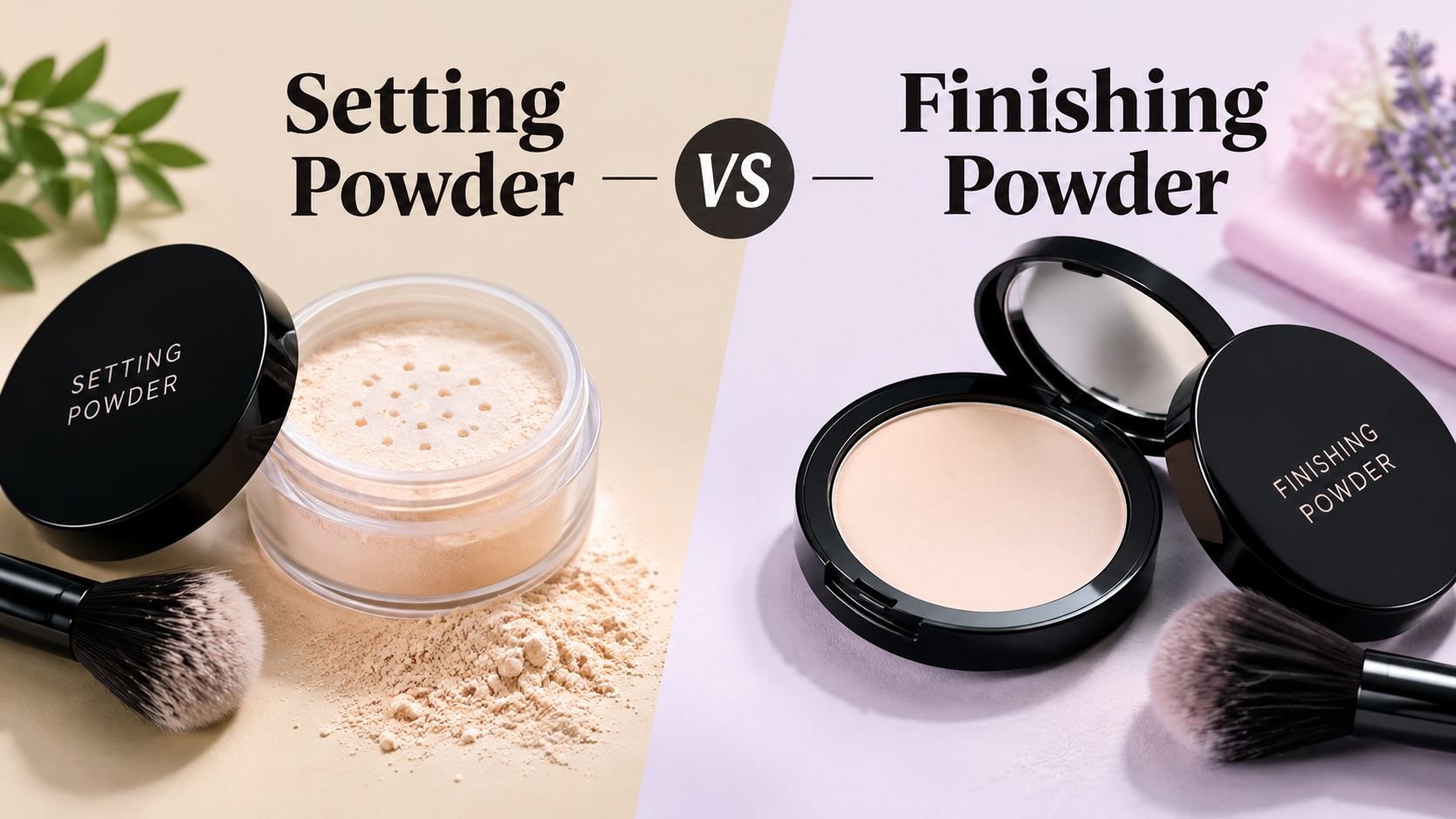
These two get confused constantly. Setting powder is applied earlier, over concealer and foundation, specifically to lock everything in place and control oil throughout the day. Finishing powder comes at the very end, over a completed look, to soften texture or add a bit of glow. For oily skin specifically, the setting step is the one that actually matters for longevity — finishing powder is more of a finishing touch than a functional fix.
The Bottom Line
For oily skin, the goal isn't making your face completely matte or flat — it's stabilizing the areas that get shiny first and helping your base wear evenly through the day. The Laura Mercier Translucent Loose Powder remains the most consistently recommended option across beauty publications, but a budget-friendly pick like INNISFREE or NYX does the same core job for a fraction of the price. The real difference-maker is technique — the right brush, a light hand on the T-zone, and touching up rather than caking on more product when shine starts to return.
Share:

Stephanie Moore
Stephanie Moore is a Content Editor at Woman With Us with 5+ years of experience in fashion, beauty, and lifestyle content. She edits and refines blogs to make them clear, engaging, and helpful for readers.
Reviews
No reviews yet!