Best Products For Oily Skin: Curated Picks That Work
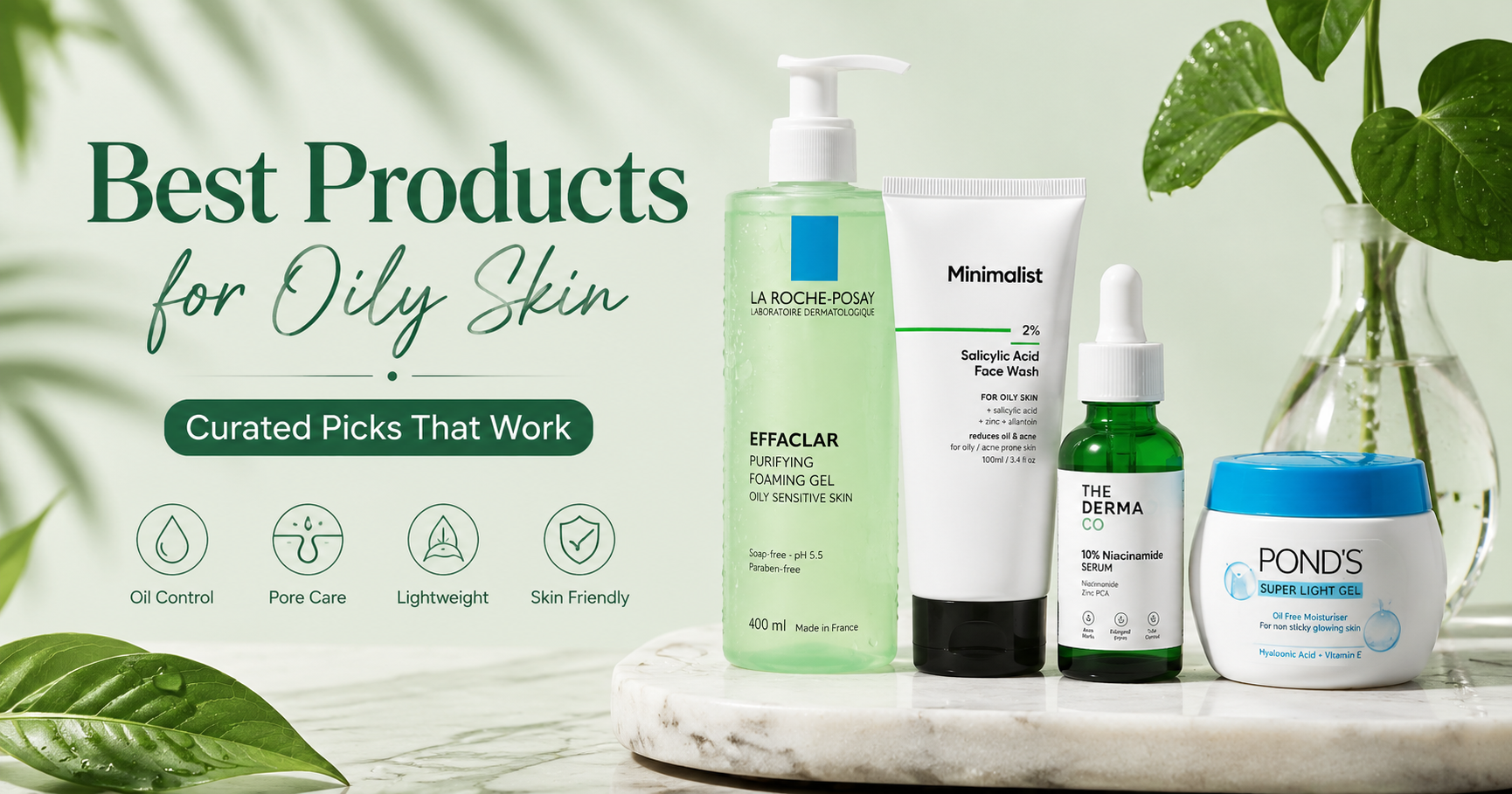
If you have been buying products for oily skin and still going shiny by noon, the problem is usually not your skin. It is the formulas you have been handed.
You have probably done everything the label told you to. The matte moisturizer that promised twelve hours of shine-free wear. The toner that was supposed to shrink your pores. The cleanser marketed specifically at oily skin. By 3 p.m. your foundation has moved anyway.
The beauty aisle is full of products that shout "oil control" while doing one of three things wrong: stripping too aggressively, sitting too heavy, or leaning on ingredients that quietly make congestion worse. This guide breaks down what the research actually supports, which products deliver it, and how to put them in an order that works.
Why Oily Skin Often Gets Oilier The Harder You Fight It
Building a full routine for oily skin
Oily skin gets treated like something to punish out of existence. Strip it, dry it, mattify it into submission.
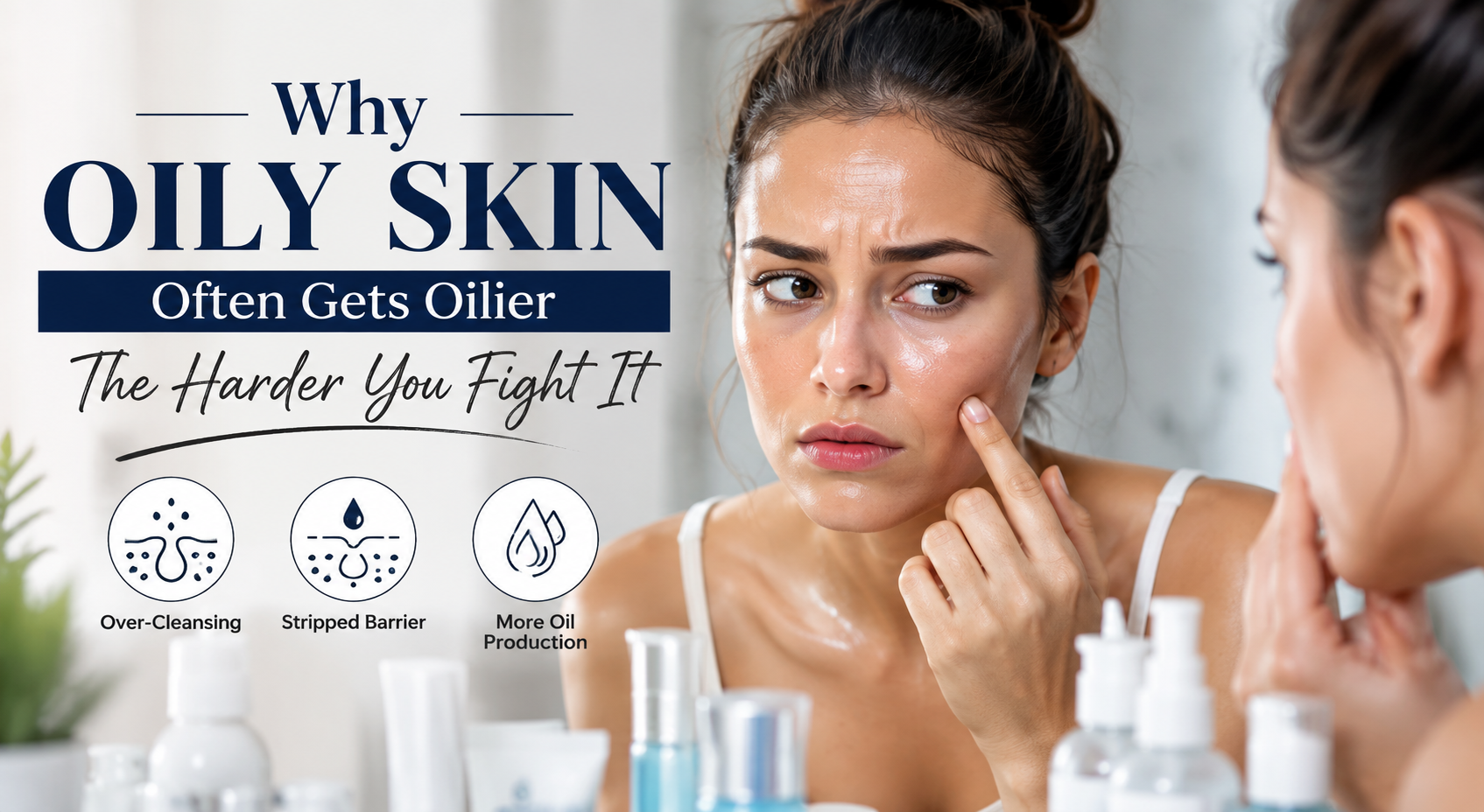
That approach tends to backfire. When a harsh cleanser or an over-drying treatment removes the skin's natural lipid layer, the barrier is compromised, and skin can respond by producing more oil to compensate. The more aggressively you attack the shine, the more you can end up with.
The distinction that matters is between products that absorb oil already sitting on your face and products that reduce how much oil your skin makes in the first place. Blotting powders and mattifying primers do the first. A small number of active ingredients do the second. Everything below is organised around that difference.
What The Research Actually Says About Oil-Regulating Ingredients
Niacinamide
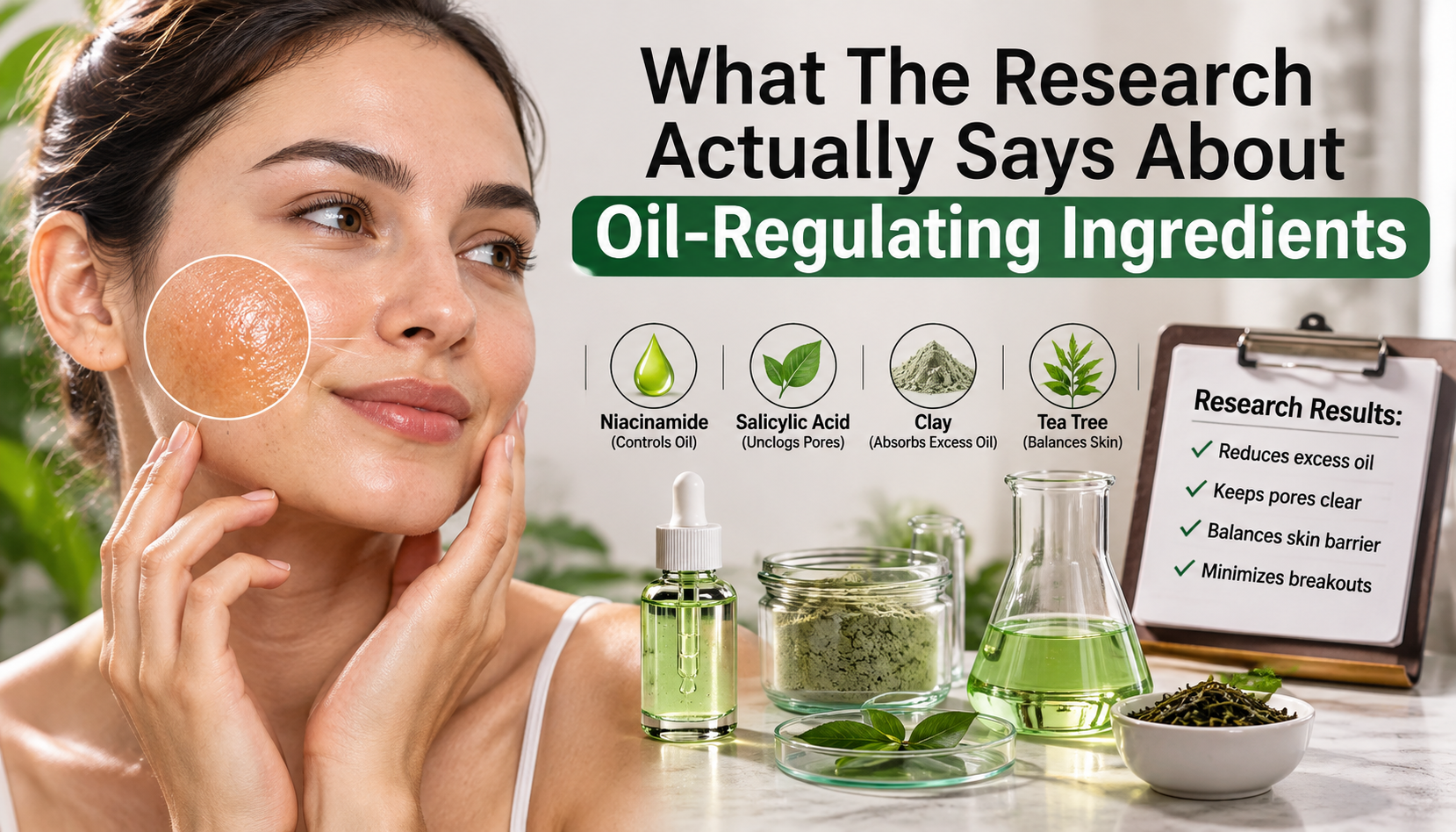
Niacinamide is the most accessible over-the-counter option with real sebum data behind it, but the evidence is more specific than most product marketing suggests.
The key study is Draelos, Matsubara and Smiles (2006), published in the Journal of Cosmetic and Laser Therapy. It tested 2% niacinamide, not 10%.
Two things are worth knowing about the results. In a double-blind, placebo-controlled trial of 100 Japanese participants, 2% niacinamide significantly lowered the sebum excretion rate after two and four weeks of use. In a separate split-face study of 30 Caucasian participants over six weeks, casual sebum levels dropped significantly, but the sebum excretion rate did not.
So the honest summary is that 2% niacinamide has measurable sebum-reducing effects, and those effects appear to vary between populations. That is a more useful thing to tell a reader than a single dramatic percentage.
Source: Draelos ZD, Matsubara A, Smiles K. The effect of 2% niacinamide on facial sebum production. J Cosmet Laser Ther. 2006;8(2):96-101. PubMed ID 16766489.
One important clarification. You will see 4% and 5% niacinamide cited in skincare content as if they are sebum concentrations. They are not. Those figures come from acne lesion studies, where 4% niacinamide gel performed comparably to 1% clindamycin and 5% gel performed comparably to 2% clindamycin. Those are trials about treating breakouts, not about measuring oil output. Conflating the two is one of the most common errors in this category.
Salicylic Acid
Salicylic acid is a beta hydroxy acid, and its useful property is that it is oil-soluble. That means it can move through sebum into the pore lining and clear congestion from inside, which is why it consistently suits oily and congestion-prone skin better than water-soluble AHAs like glycolic acid.
In the US, over-the-counter acne products use it between 0.5% and 2%. Two percent is the practical ceiling for a leave-on exfoliant and is where most well-regarded formulas sit.
Topical Retinoids
Retinoids are the strongest lever most people have for oily, breakout-prone skin. They speed up cell turnover so pores clog less readily, and they are well established in acne treatment.
Adapalene 0.1% is available over the counter in the US, which makes it the realistic starting point for most readers. Start at two or three nights a week and build slowly. Expect an adjustment period of several weeks where skin may look worse before it improves.
Two cautions. Do not layer a retinoid and a BHA on the same night when you are starting out. And retinoids are not recommended during pregnancy, so anyone pregnant or trying to conceive should speak to their doctor first.
Zinc And Azelaic Acid
Both come up constantly in oily skin content and both deserve a more careful framing than they usually get.
Topical zinc is frequently paired with niacinamide in formulas, but the standalone evidence for zinc reducing sebum is thinner than the evidence for niacinamide. Treat it as a reasonable addition rather than a reason to choose a product.
Azelaic acid has solid clinical support for acne, rosacea and post-inflammatory pigmentation, all of which are common alongside oily skin. Note that 15% and 20% strengths are prescription-only in the US, and over-the-counter formulas are typically around 10%.
Formulation Red Flags Worth Learning To Spot
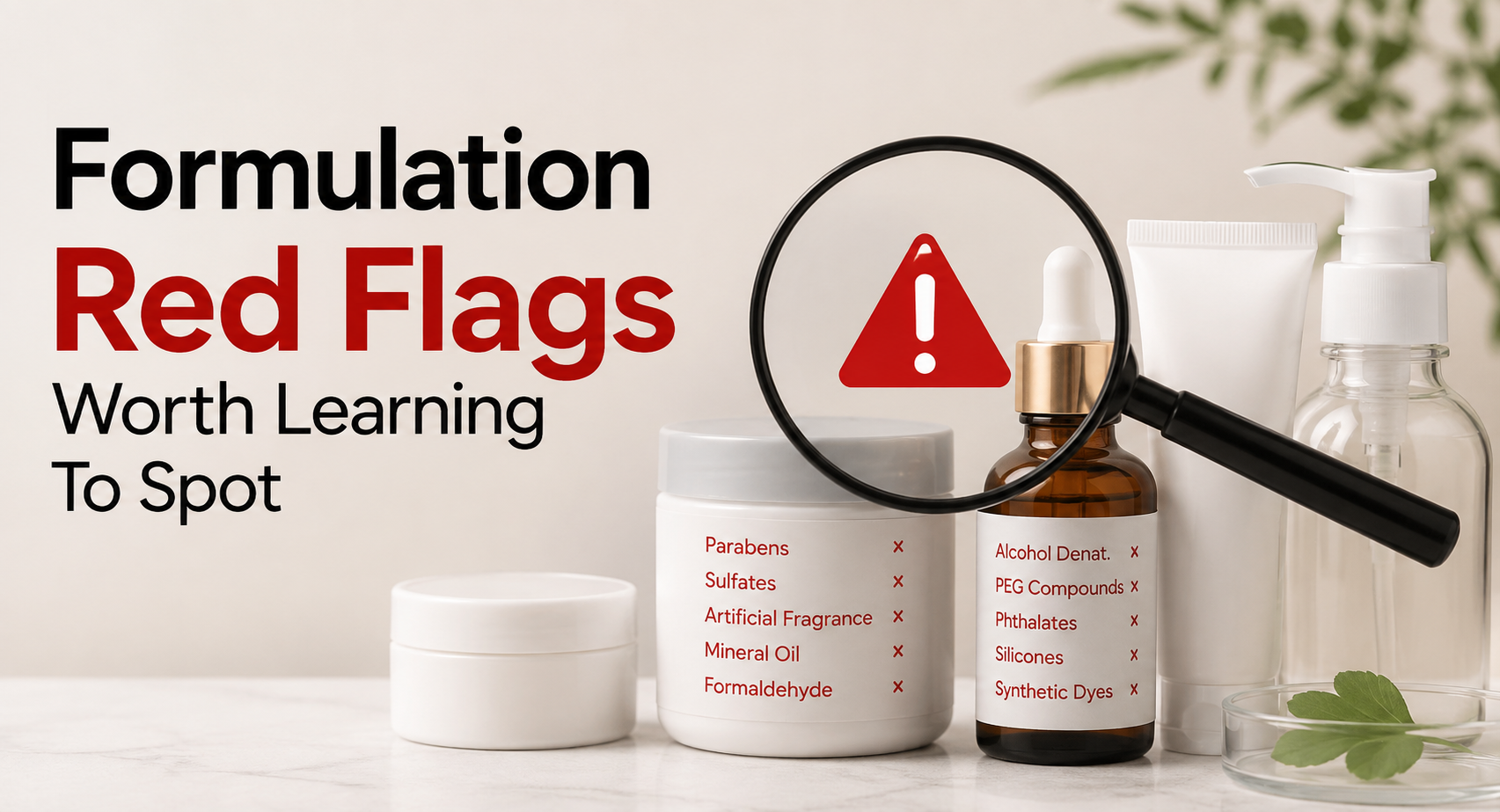
"Non-comedogenic" is a meaningful signal when a formula genuinely avoids pore-clogging ingredients, but it is worth understanding that comedogenicity is generally assessed at the ingredient level rather than through one universal product-rating standard. The label is a starting point, not a guarantee.
Heavy occlusives are the usual culprits. Cocoa butter, coconut oil, wheat germ oil and the ester isopropyl myristate all turn up in products that claim to control oil, and all four are routinely flagged as problematic for acne-prone skin.
Denatured alcohol and sodium lauryl sulfate appear in a lot of "clarifying" formulas. They can give you an immediately clean, tight feeling and set off exactly the barrier-strip-and-rebound cycle described above.
What you actually want on a leave-on product: gel textures, water-based or oil-free on the label, and nothing thick or greasy.
The Picks At A Glance
|
Product |
Best for |
Key active |
|
Everyday cleansing |
Ceramides, niacinamide |
|
|
Active breakouts |
2% salicylic acid |
|
|
Oil control in the cleanse step |
3% niacinamide |
|
|
Budget serum |
Niacinamide, zinc |
|
|
Congestion, blackheads |
2% salicylic acid |
|
|
Persistent breakouts |
Adapalene |
|
|
Mattifying moisturizer |
Sebulyse |
|
|
Barrier repair plus oil control |
Ceramides, niacinamide |
|
|
Lightweight hydration |
Hyaluronic acid |
|
|
Moisturizer and SPF in one |
Zinc oxide |
|
|
Under makeup |
Chemical filters |
|
|
High protection, oily skin |
Cell-Ox Shield |
Cleansers
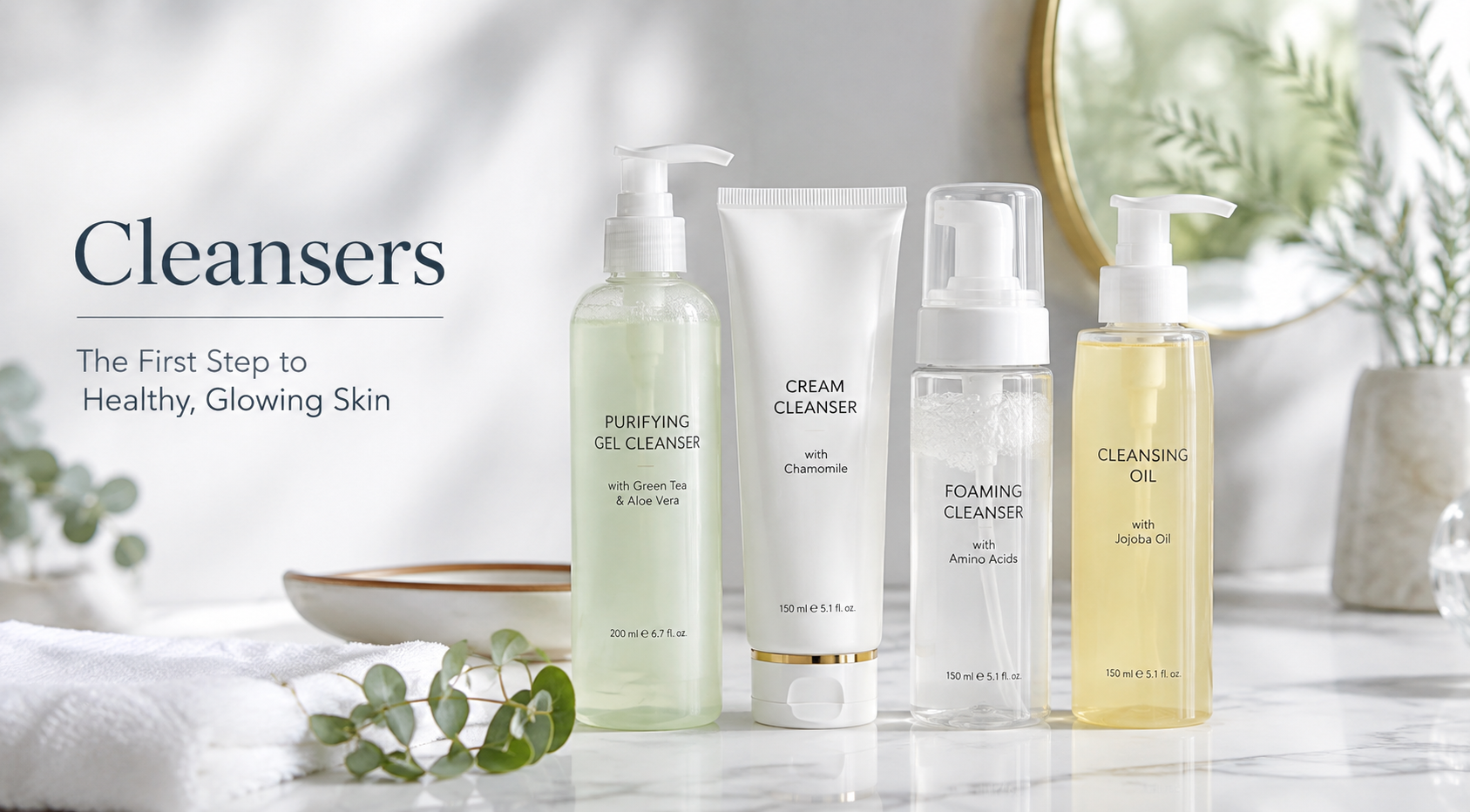
The cleanser is the foundation of an oily skin routine and the step most people get wrong in both directions. Too harsh strips the barrier and triggers rebound. Too gentle leaves behind sebum, sunscreen and buildup that congests pores over time.
CeraVe Foaming Facial Cleanser is the default recommendation for a reason. Its surfactant system lifts excess oil without dismantling the barrier, and the ceramides and niacinamide help skin feel comfortable afterwards rather than tight. Gentle enough for twice daily, cheap enough that you will not ration it.
La Roche-Posay Effaclar Medicated Gel Cleanser is the better pick if you are dealing with active congestion, blackheads or recurring breakouts rather than shine alone. The 2% salicylic acid works inside the pore lining. One caveat: at this concentration it can be drying used twice a day, so alternate it with a gentler cleanser or keep it to once daily.
Naturium Niacinamide Cleansing Gelée 3% builds oil regulation into the cleanse step. At 3% it sits close to the concentration used in the sebum research, and the gel texture rinses clean without residue.
Serums
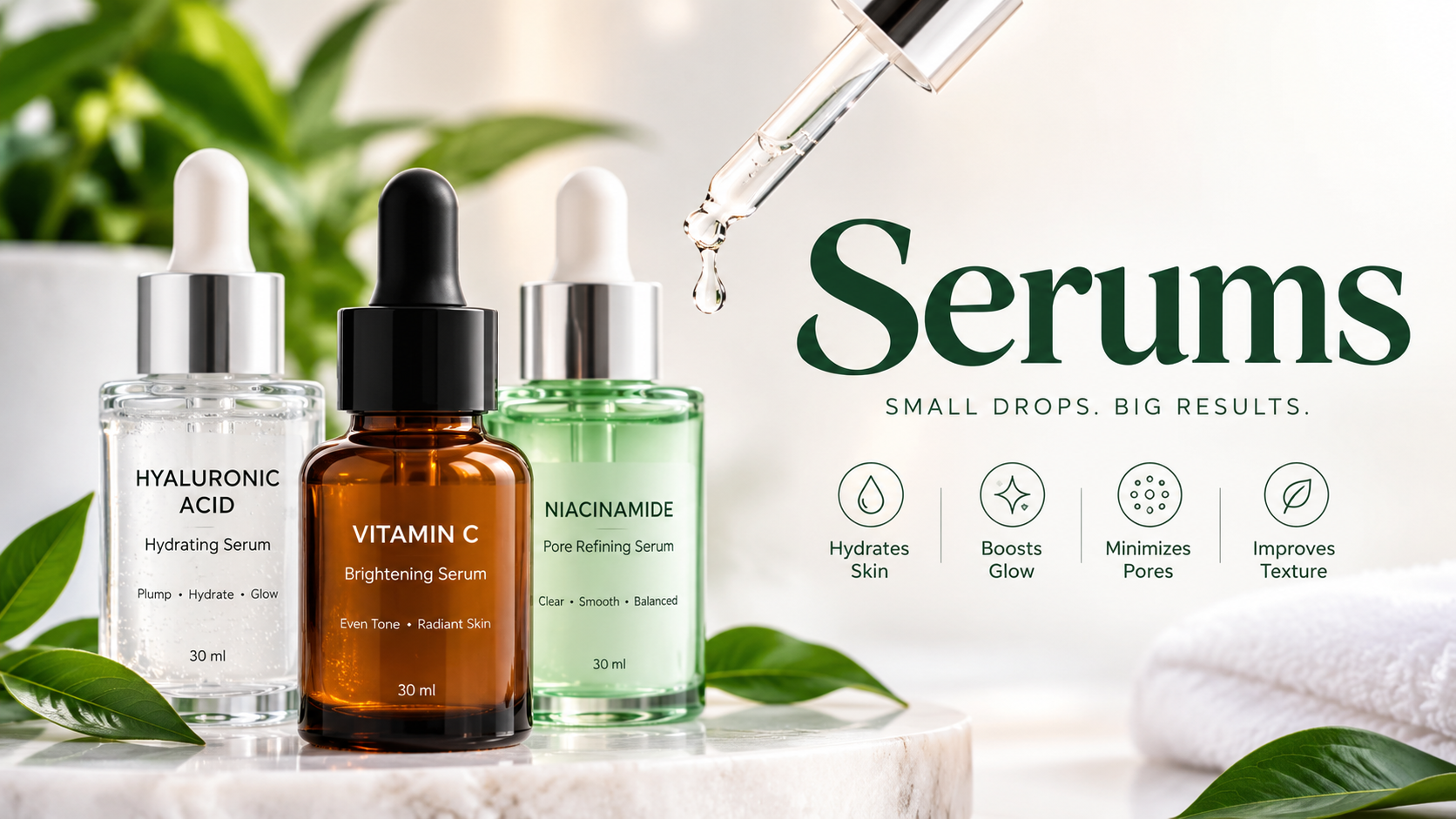
This is where the absorb-versus-regulate distinction matters most.
The Ordinary Niacinamide 10% + Zinc 1% is the most accessible entry point and works well for a lot of people. Be aware that 10% is above the concentration used in the sebum studies, and higher concentrations carry more irritation risk without clearly better sebum results. If you get redness or stinging, that is a signal to move to a lower-percentage formula rather than push through.
If 10% leaves your skin red or stinging, a lower-concentration formula is the sensible next step rather than pushing through. Glossier Super Pure uses 5% niacinamide with zinc PCA, which sits much closer to the concentration used in the published sebum research. It is a simple, short ingredient list with no fragrance or added actives competing for attention, which is what you want when your skin has already told you it is irritated. You are not giving up results by going lower here. The evidence does not support 10% outperforming 5% for oil control.
Paula's Choice Skin Perfecting 2% BHA Liquid Exfoliant is the benchmark BHA. Use it in the evening and start at two or three nights per week rather than daily. Salicylic acid can increase sun sensitivity, so daily sunscreen matters even more while you are using it.
Chemical exfoliation suits oily skin. If your skin is dry rather than oily, gentle physical exfoliation is usually the better route.
Moisturizers And Sunscreen
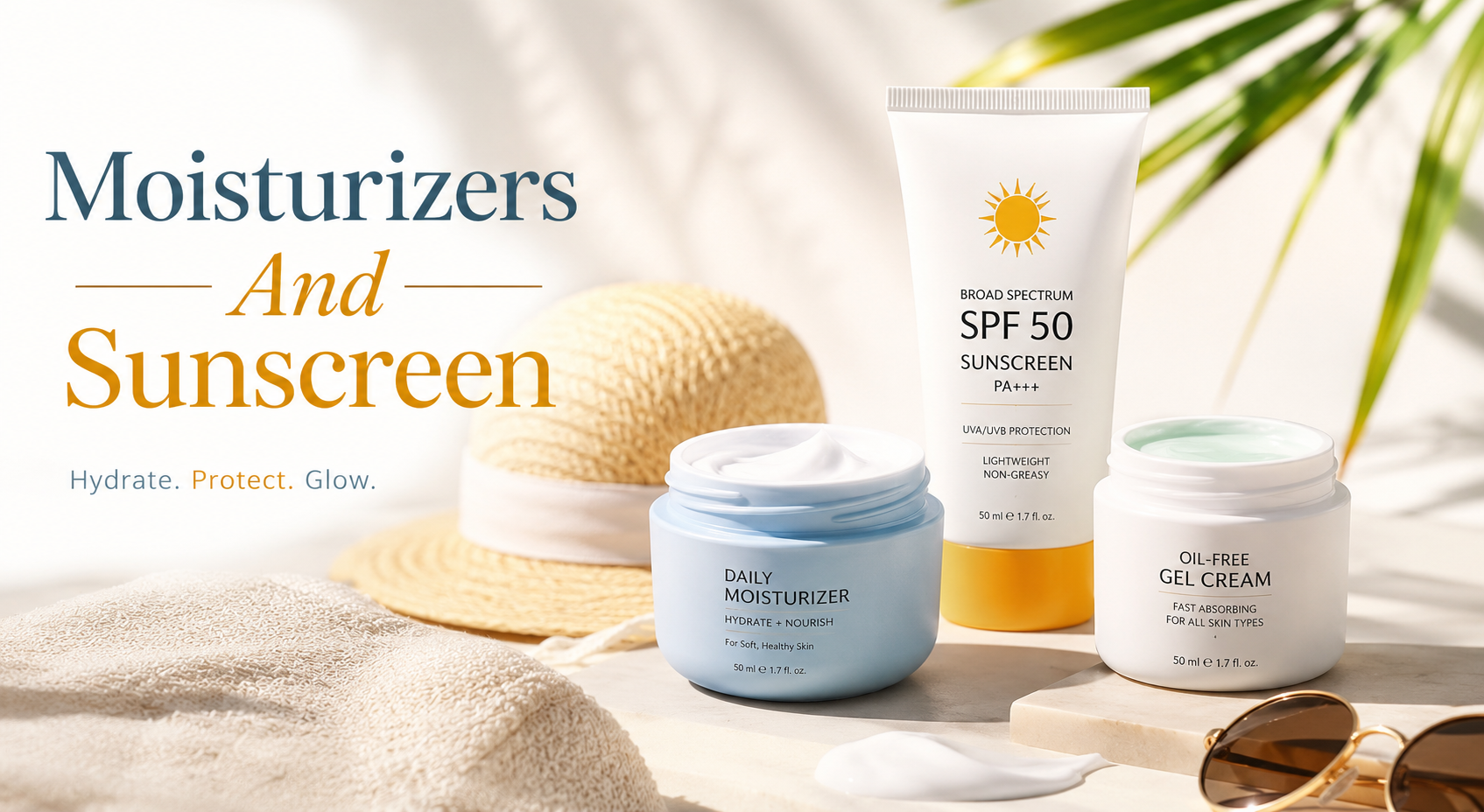
These are the two steps oily skin routines skip most often, and skipping them makes things worse.
Leaving out moisturizer can prompt skin to compensate for missing hydration with more oil. Leaving out sunscreen lets the dark marks that breakouts leave behind sit around far longer than they need to.
La Roche-Posay Effaclar Mat is the top mattifying pick, light enough that it does not add surface grease. La Roche-Posay Toleriane Double Repair Matte covers barrier repair alongside oil control if your skin is both oily and easily irritated. Neutrogena Hydro Boost Water Gel is the lower-priced gel option and feels close to weightless.
For sun protection, Cetaphil's oil-absorbing SPF 30 combines moisturizer and sunscreen in one matte step. Supergoop! Unseen Sunscreen SPF 40 sits invisibly under makeup. La Roche-Posay Anthelios Clear Skin SPF 60 is the highest-protection option formulated for oily skin.
If you wear makeup over all this, a powder that does not cake on oily skin makes a bigger difference than most people expect.
Your AM routine
-
Gentle foaming cleanser
-
Niacinamide serum
-
Lightweight oil-free moisturizer
-
Broad-spectrum SPF 30 or higher, every morning without exception
Keep mornings simple. Niacinamide works in either AM or PM, and using it in the morning means it is regulating oil through the day.
Your PM routine
-
Double cleanse if you wore sunscreen or makeup: micellar water or a balm cleanser first, then your gel cleanser
-
Your active for the night, either BHA or a retinoid, starting at two or three nights per week
-
Lightweight moisturizer
Evenings are when actives do their best work, with no UV exposure competing. If you are new to either, do not stack a BHA and a retinoid on the same night. Alternate them.
The right order to apply everything
The Habit That Keeps Oily Skin Oilier
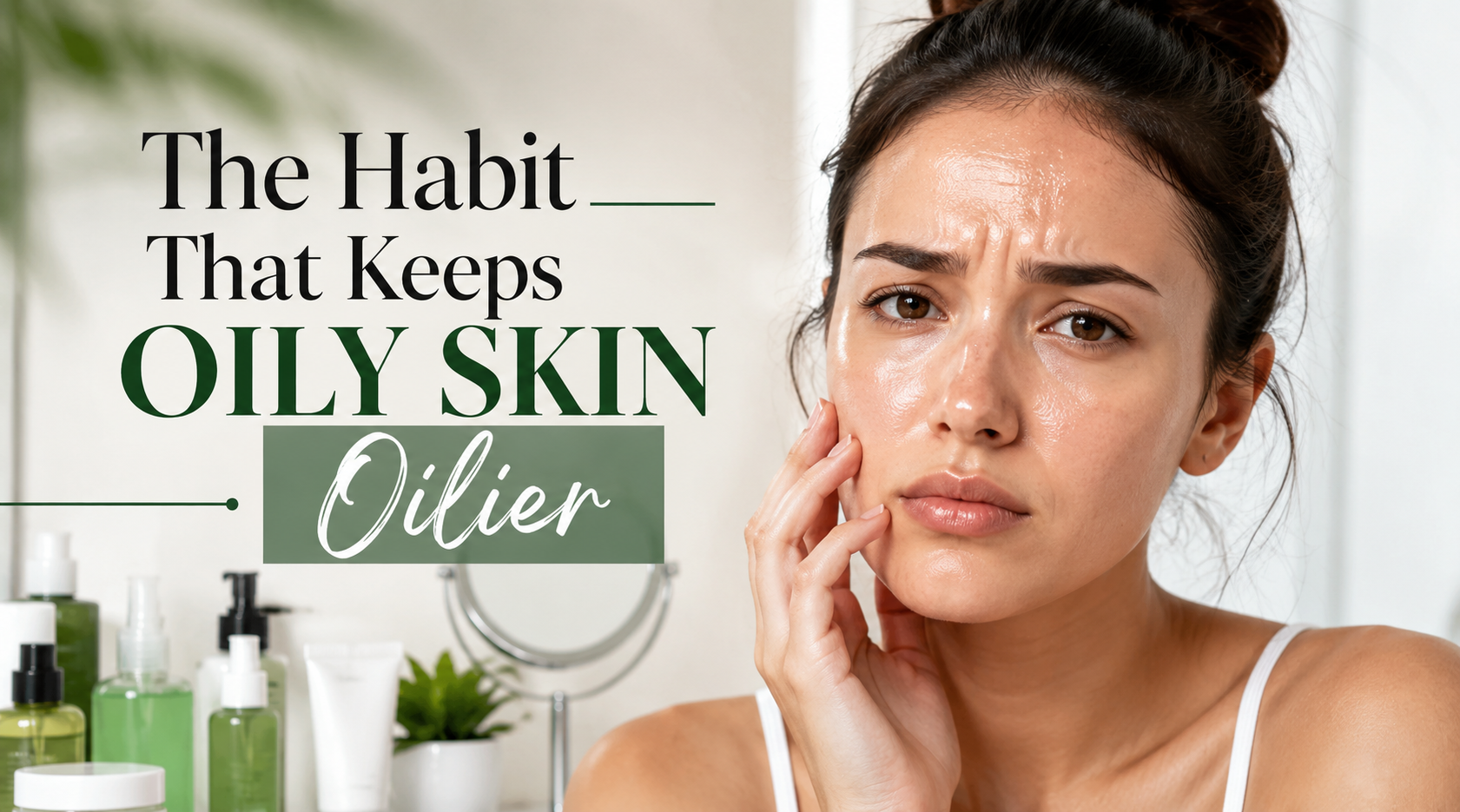
Over-cleansing is the most common self-sabotage in this category, and the logic behind it feels completely reasonable. Your skin makes too much oil, so wash it more.
Washing more than twice daily, or using harsh foaming cleansers, removes the natural lipid layer and can push oil glands to produce more. The standard guidance is a maximum of twice a day with a gentle, non-stripping formula. Beyond that you are working against your own barrier.
The same principle applies to actives. BHA two or three times a week beats BHA daily. Niacinamide is gentle enough for daily use at normal concentrations. Stacking multiple strong actives on the same night raises irritation risk sharply and usually causes more problems than either would alone. A routine you can keep up for six months beats an aggressive one you abandon after three weeks.
How Long Before You See A Difference
Set expectations before you start.
Surface texture and comfort can improve within a week or two. Meaningful sebum change takes longer. The niacinamide research measured effects at four to six weeks. Retinoids typically need eight to twelve weeks, and often look worse before better.
If you are still seeing no change after three months of consistent use, that is the point to speak to a dermatologist rather than to buy another product.
If Your Skin Is Oily And Something Else
Not all oily skin is the same, and the routine above needs adjusting in two common cases.
Combination skin. If you are oily through the T-zone and normal or dry on the cheeks, apply actives where you actually need them rather than across the whole face, and use a richer moisturizer on the drier areas.
Dehydrated oily skin. Skin that feels tight and greasy at the same time is usually short on water, not producing too much oil. Pull back on actives, prioritise hydration, and give the barrier a few weeks before reintroducing anything strong.
Oily and sensitive. Start with one active only, at the lowest frequency, and add nothing new for at least a month.
FAQ
Does oily skin need moisturizer?
Yes. Oil and hydration are different things, and skipping moisturizer can prompt skin to produce more sebum to compensate. Use a lightweight, oil-free gel formula.
How often should I wash oily skin?
Twice a day is the ceiling. Morning and evening, with a gentle non-stripping cleanser. Washing more often removes the lipid layer and can make oiliness worse.
Is niacinamide good for oily skin?
There is clinical evidence that 2% topical niacinamide reduces sebum measures, with results that appear to vary between populations. It is one of the few over-the-counter actives with sebum data behind it.
Is 10% niacinamide better than 5%?
Not for sebum. The published sebum research used 2%. Higher concentrations increase irritation risk without clearly better oil results, so more is not automatically better here.
Can I use salicylic acid and retinol together?
Not on the same night when you are starting out. Alternate them and see how your skin responds before considering anything more.
Do pores actually shrink?
Pore size is largely genetic and cannot be permanently changed by a topical product. What you can change is how congested and visible they look, which is what ingredients like salicylic acid and retinoids affect.
Should oily skin use sunscreen?
Yes, daily. UV exposure deepens and prolongs the dark marks left by breakouts. Oil-free and gel-textured sunscreens exist precisely for this skin type.
Building A Routine That Holds Up
The products worth your money share two qualities: clinically supported actives in lightweight, non-comedogenic formulas, and a routine structure that protects your barrier instead of dismantling it.
Start with one change, not five. A gentle cleanser and a daily sunscreen will do more for oily skin than a shelf of treatments used inconsistently.
The daily steps that actually make a difference
A note on medical advice. This article is for general information and is not a substitute for professional medical advice. Patch test new products before applying them to your whole face. If you have persistent or severe acne, painful cystic breakouts, or any skin condition that is not improving, see a board-certified dermatologist. Retinoids are not recommended during pregnancy, and anyone pregnant or breastfeeding should check with their doctor before starting any active ingredient.
Share:

Stephanie Moore
Stephanie Moore is a Content Editor at Woman With Us with 5+ years of experience in fashion, beauty, and lifestyle content. She edits and refines blogs to make them clear, engaging, and helpful for readers.
Reviews
No reviews yet!