Best Facial Exfoliator For Women
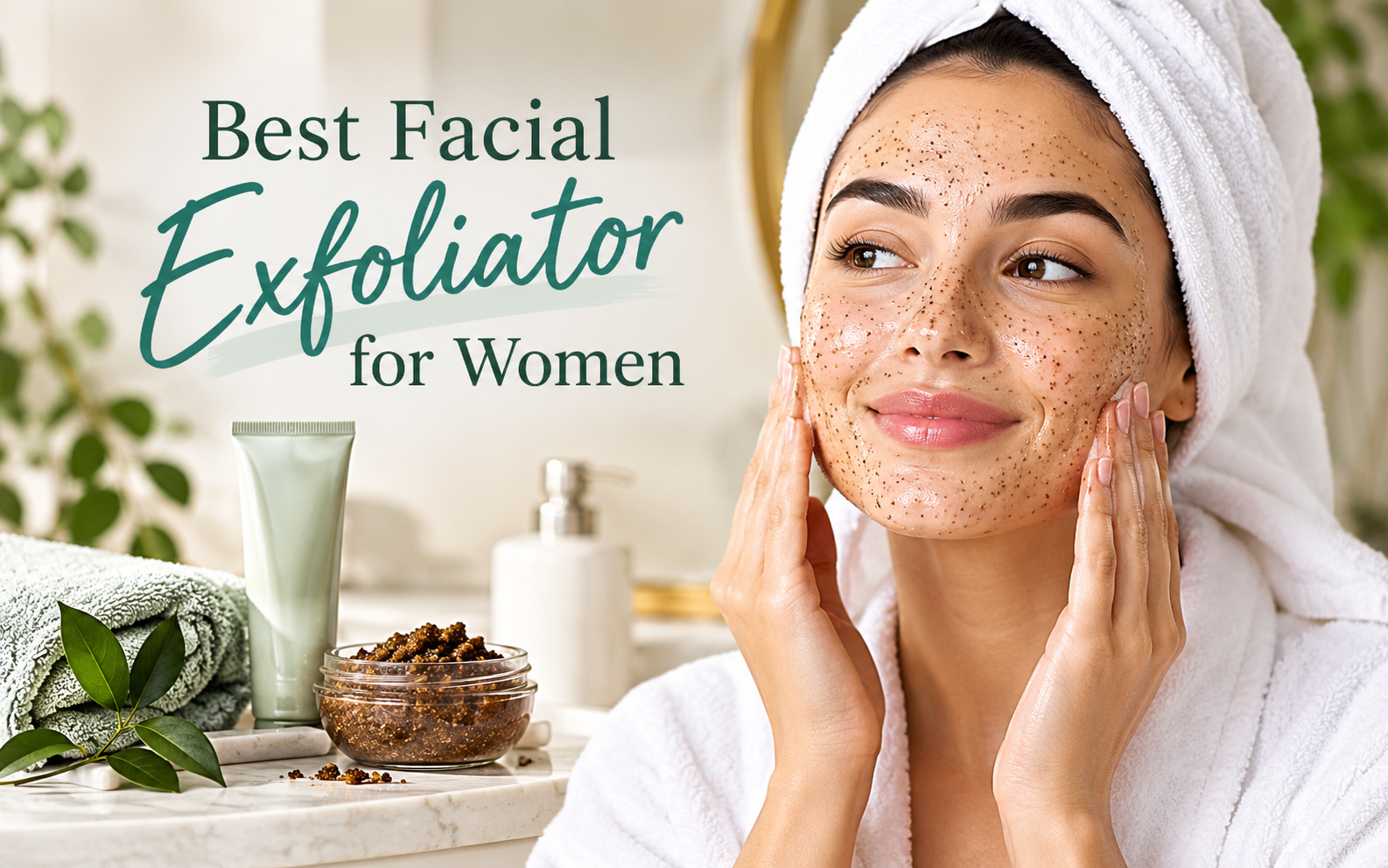
A good exfoliator earns its place in a routine quietly — skin just looks smoother, brighter, and more even over time, without anything dramatic happening in a single use. A bad one announces itself fast, usually through redness or tightness the next morning. With this many formulas on the market, the right pick really comes down to skin type and how much exfoliation your routine can realistically handle without overdoing it.
Best Overall: Sofie Pavitt Studio-Smooth Microdermabrasion Exfoliating Scrub
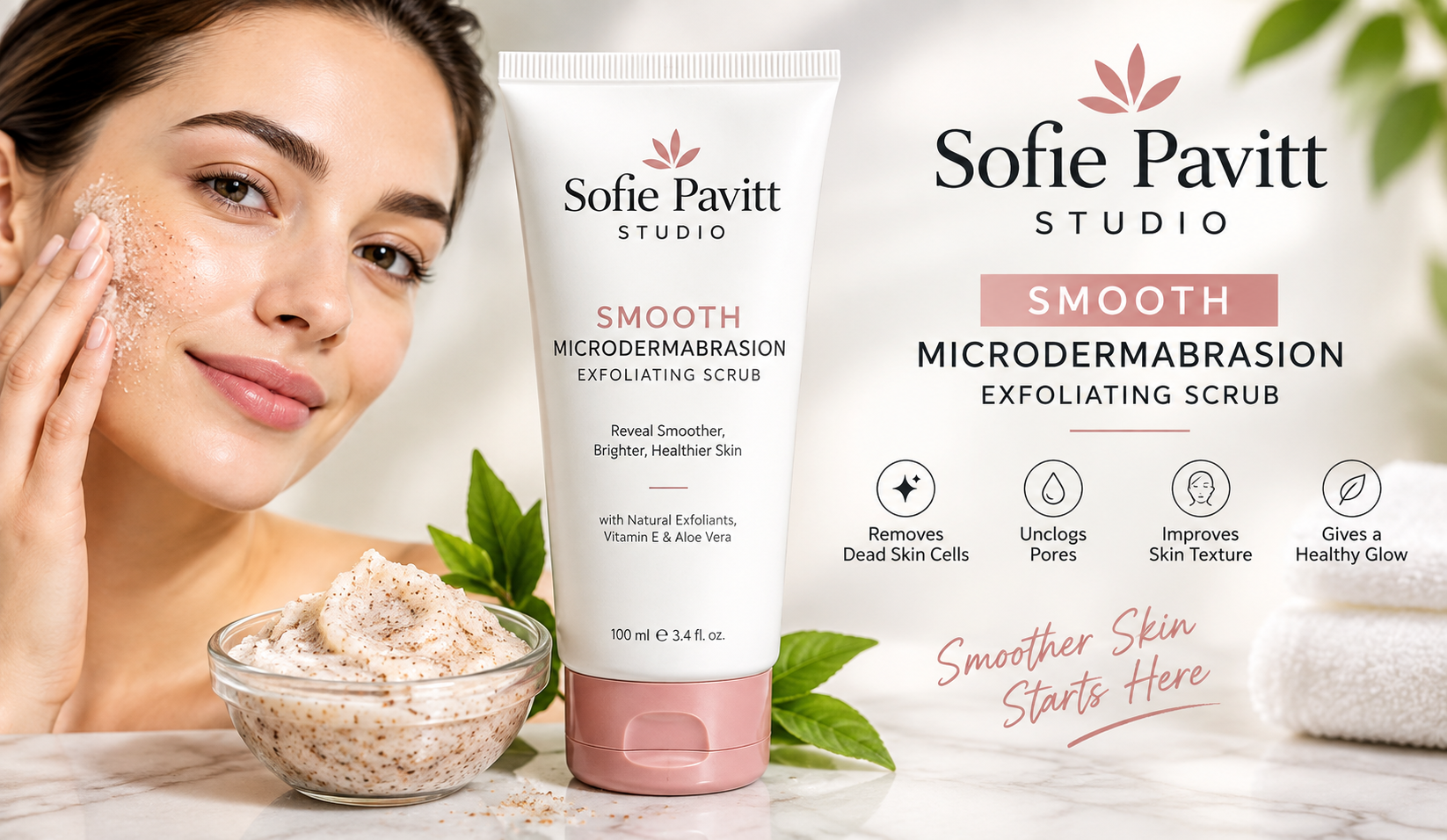
According to Who What Wear, this was the top recommendation from several dermatologists consulted for their roundup. It combines physical and chemical exfoliation in one multitasking formula, buffing away dead skin while gently resurfacing fresh skin underneath in a single step. One reviewer noted their skin stayed noticeably clear with consistent use, even without being particularly breakout-prone to begin with.
Best Drugstore: Cetaphil Extra Gentle Daily Scrub
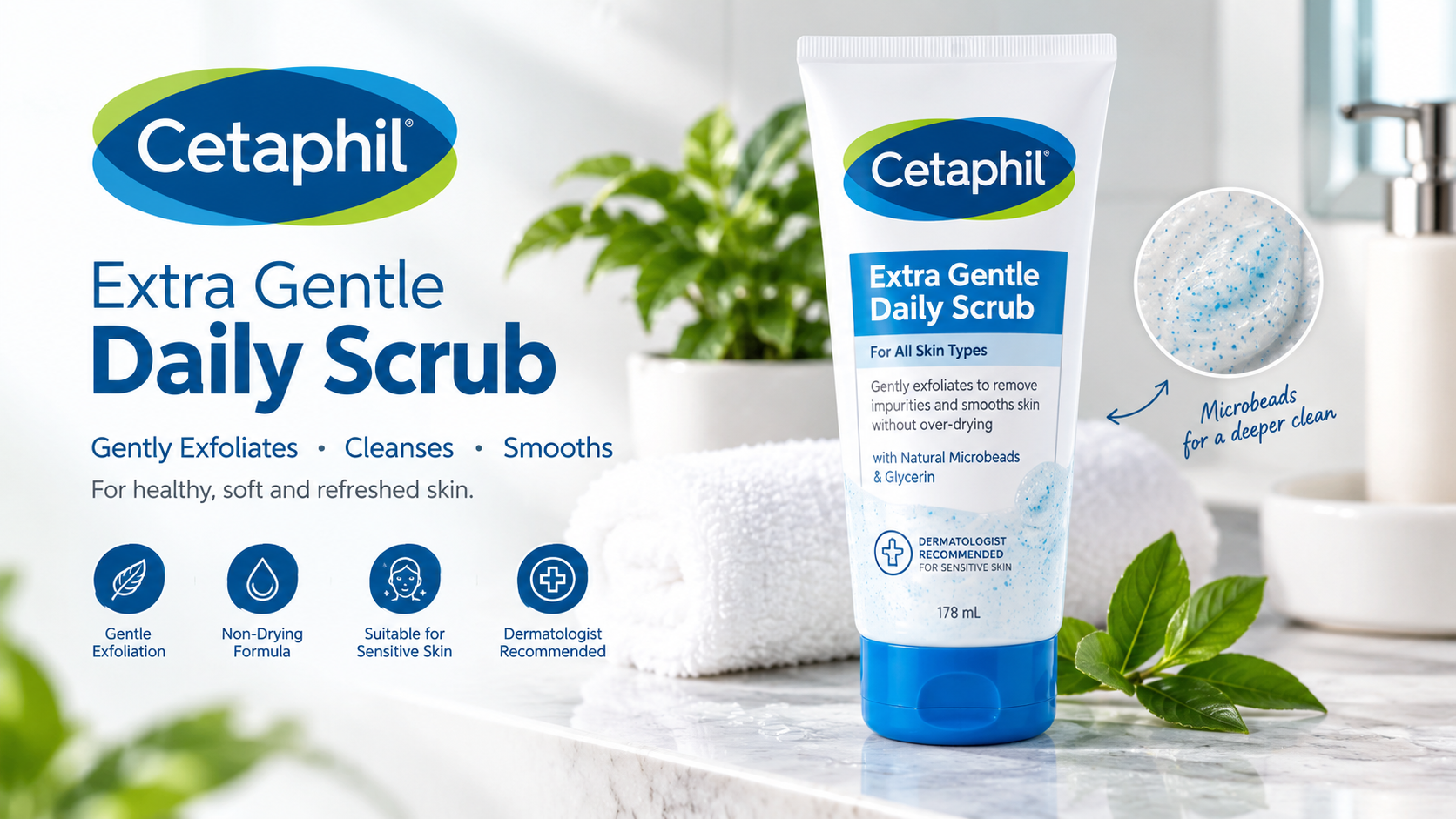
For anyone who wants dermatologist-backed quality without a premium price tag, this one consistently ranks as the top drugstore pick. Micro-fine granules make it gentle enough for regular use without the risk of micro-tears that coarser, cheaper scrubs can cause.
Best Chemical Exfoliant: SkinCeuticals Glycolic 10 Renew Overnight
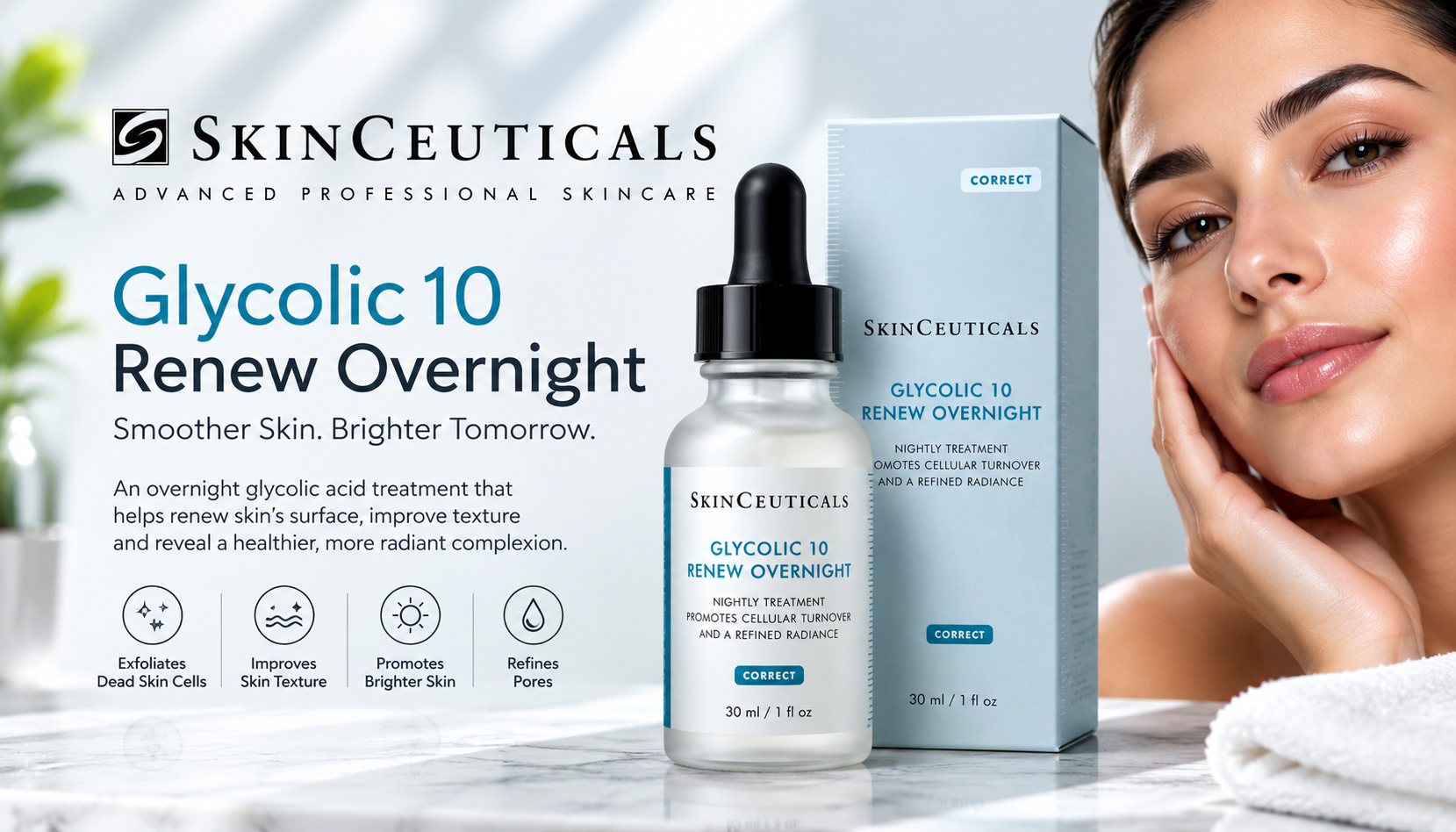
For anyone ready to move past physical scrubs entirely, this overnight glycolic treatment is the dermatologist-favored pick for genuine resurfacing results. Glycolic acid works at a cellular level overnight, so you wake up to smoother texture without any manual buffing involved.
Best For Oily Skin: Paula's Choice 2% BHA Liquid Exfoliant
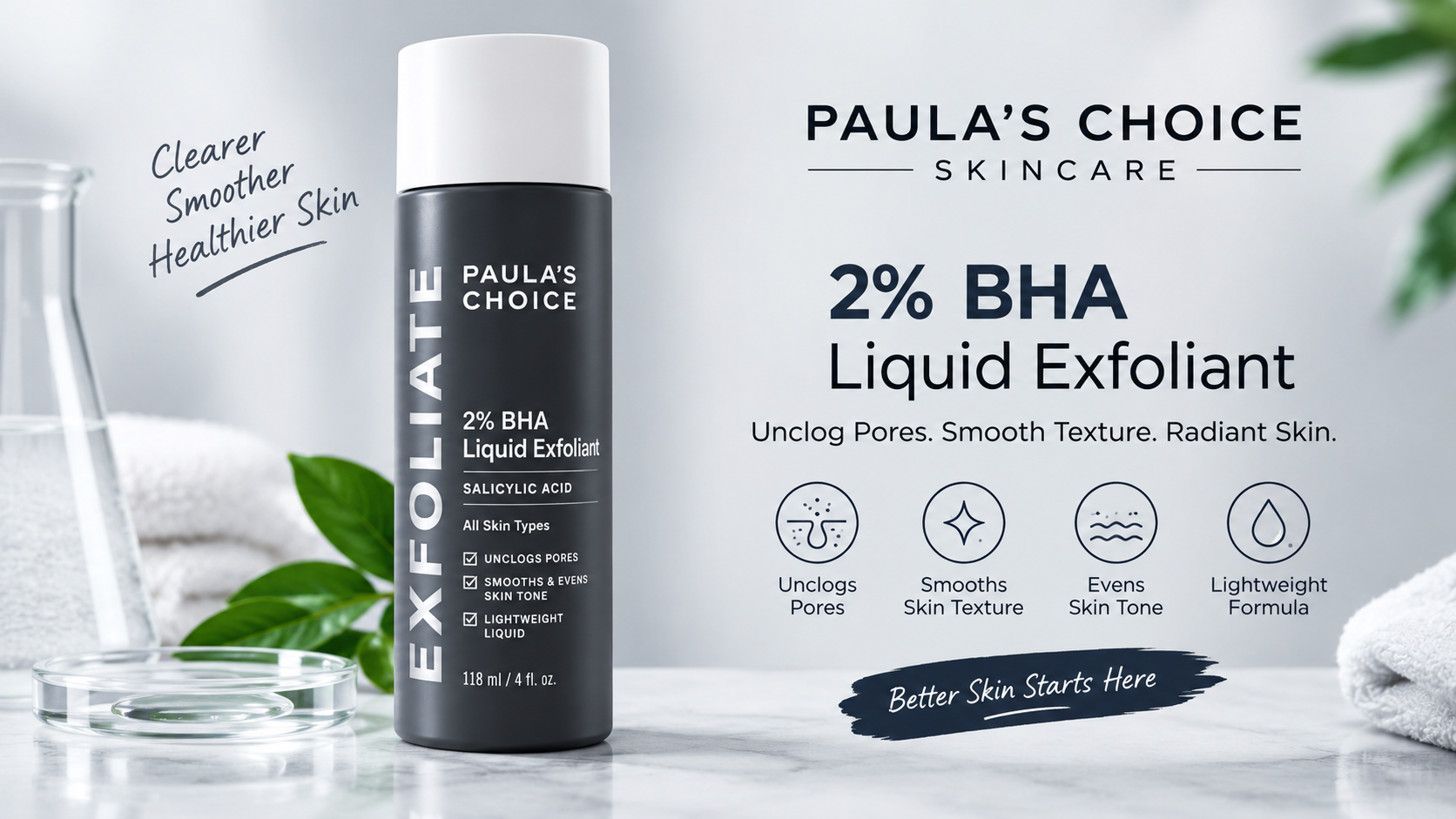
This one shows up on nearly every best-of list for oily and acne-prone skin, and it's also one of the most popular exfoliants tracked on ingredient-review platforms like SkinSort. Salicylic acid is oil-soluble, meaning it can actually get into pores and dissolve the buildup that causes blackheads and breakouts, rather than just working on the surface the way most acids do.
Best For Mature, Dry, And Sensitive Skin: Omorovicza Acid Milk
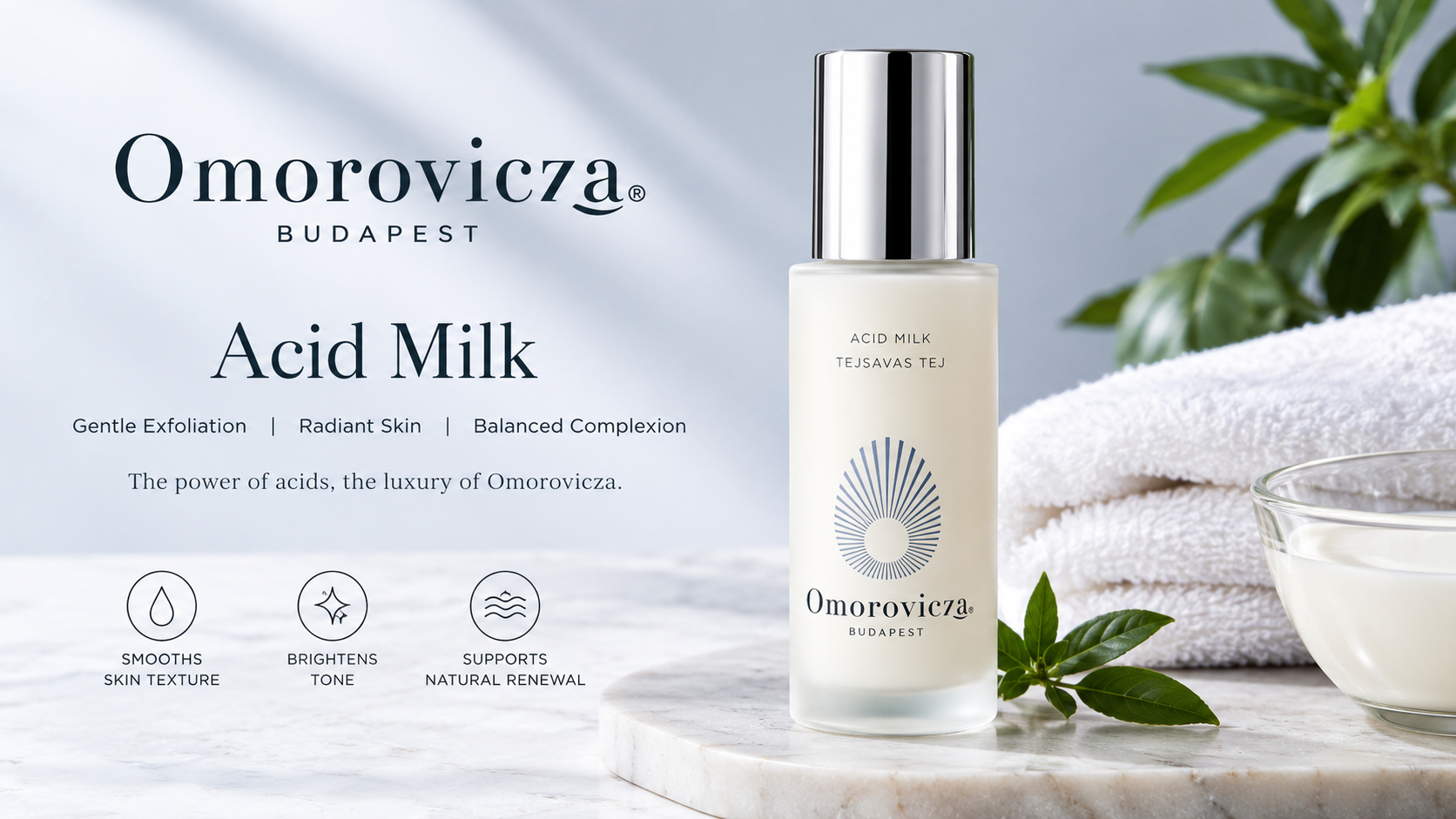
If you've had bad experiences with exfoliators leaving skin tight or irritated, this is specifically formulated to deliver real results without that trade-off. It's a strong pick for anyone managing both dryness and sensitivity at once, a combination that a lot of exfoliators aren't actually built to handle gently.
Best Physical Exfoliant: Grown Alchemist Polishing Facial Exfoliant
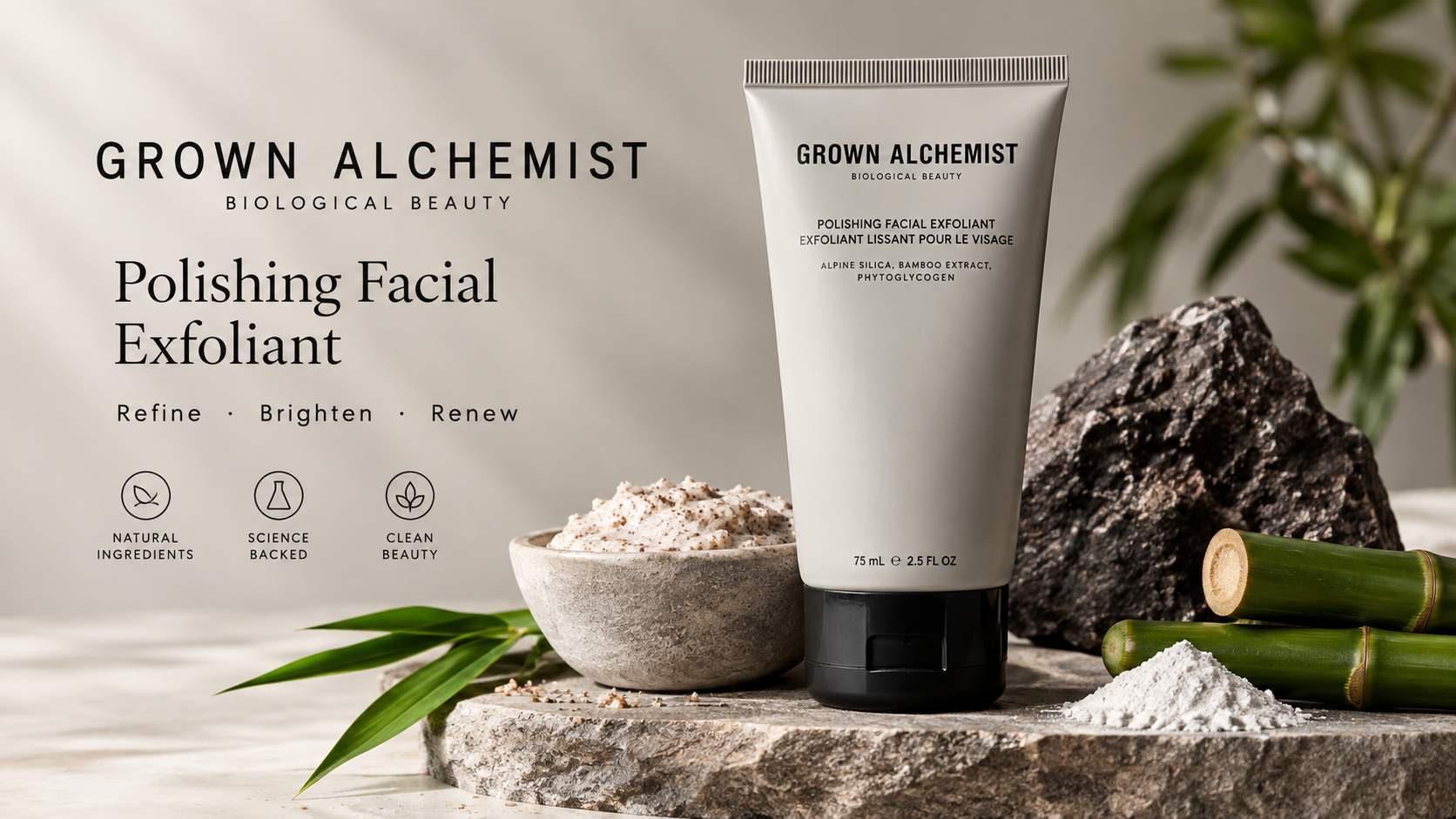
For anyone who specifically wants the sensation and immediate smoothness of a physical scrub, this is the pick that manages fine, non-abrasive particles rather than the harsh, jagged grains found in cheaper scrubs.
Best Daily Option: Dermalogica Daily Microfoliant
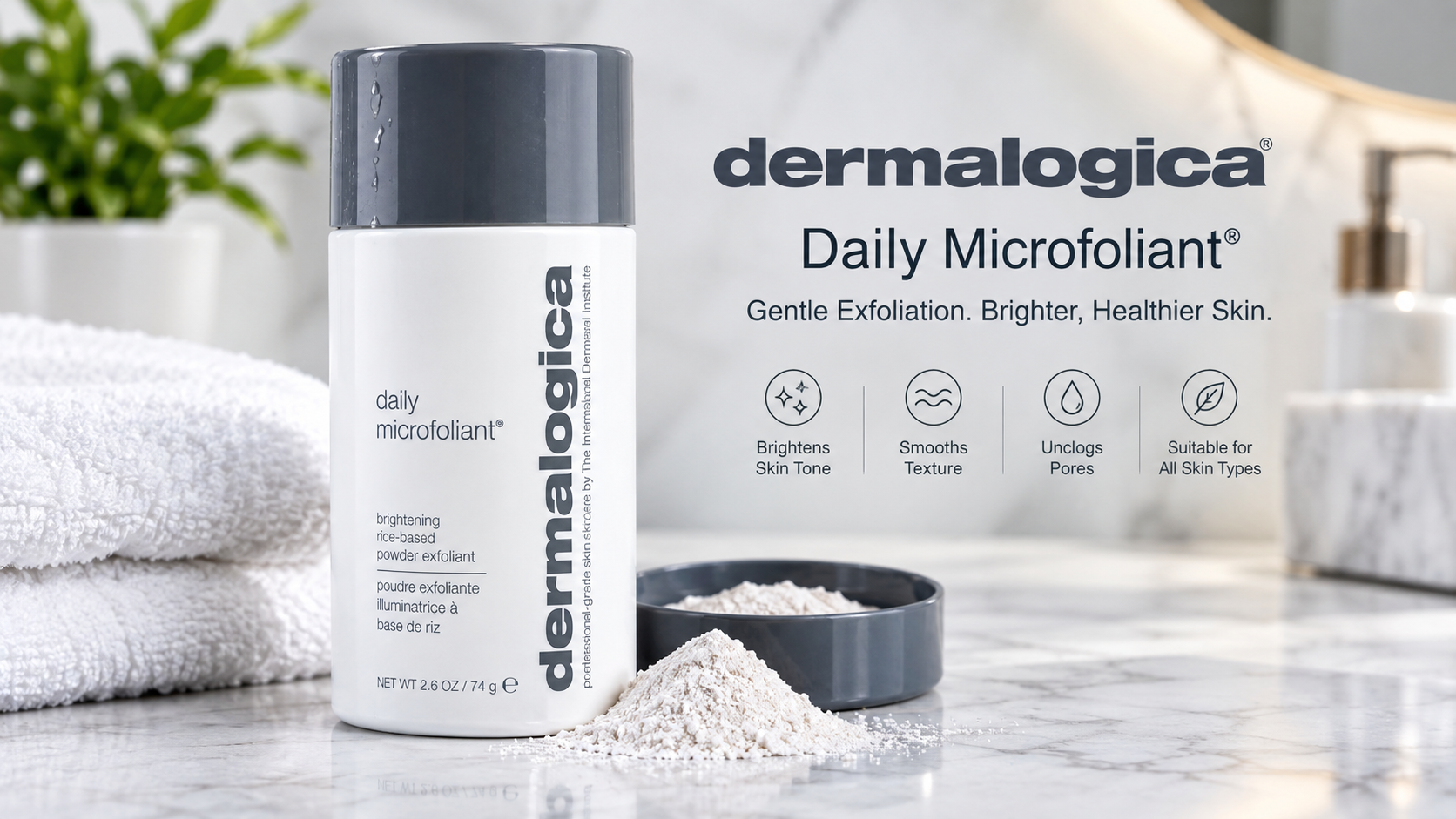
This one earns its reputation specifically because it's gentle enough for near-daily use, which most exfoliators genuinely aren't. A rice-enzyme formula activates with water during application, offering gentle brightening without the irritation risk that comes with daily use of stronger acids.
Best Budget Pick: The Ordinary Salicylic Acid 2% Solution
Priced under $6, this is the most affordable exfoliant tracked across major ingredient-review platforms, and it remains a genuinely solid option for anyone managing oily or acne-prone skin without wanting to spend much to find out if it works for them.
Best For Beginners: The Inkey List PHA Gentle Exfoliating Toner
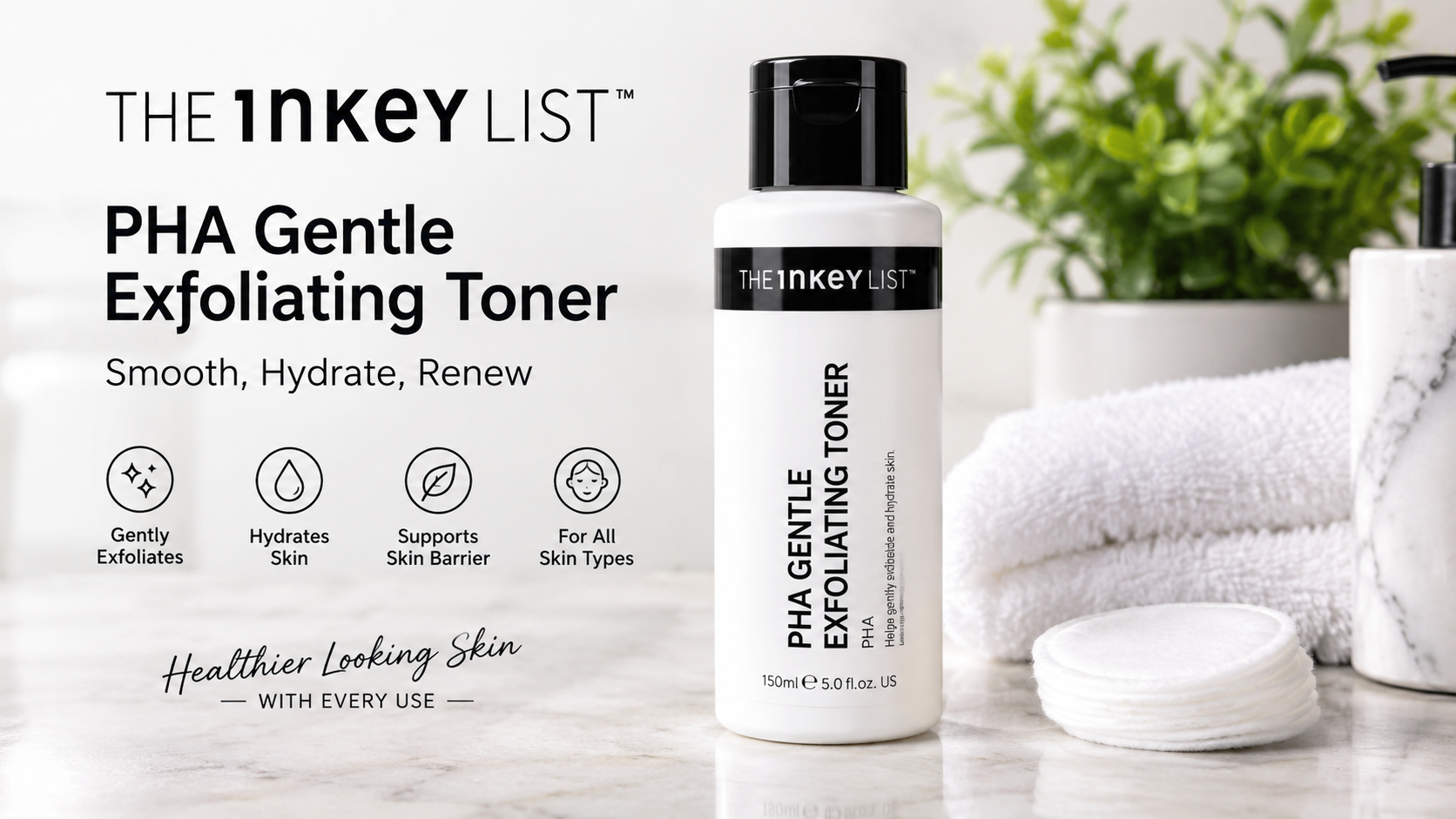
If you've never used a chemical exfoliant before, PHAs are the gentlest entry point available. Larger molecules mean slower, more superficial action than AHAs or BHAs, which makes this a safer first step for anyone unsure how their skin will react.
Best Luxury Pick: Drunk Elephant TLC Sukari Babyfacial
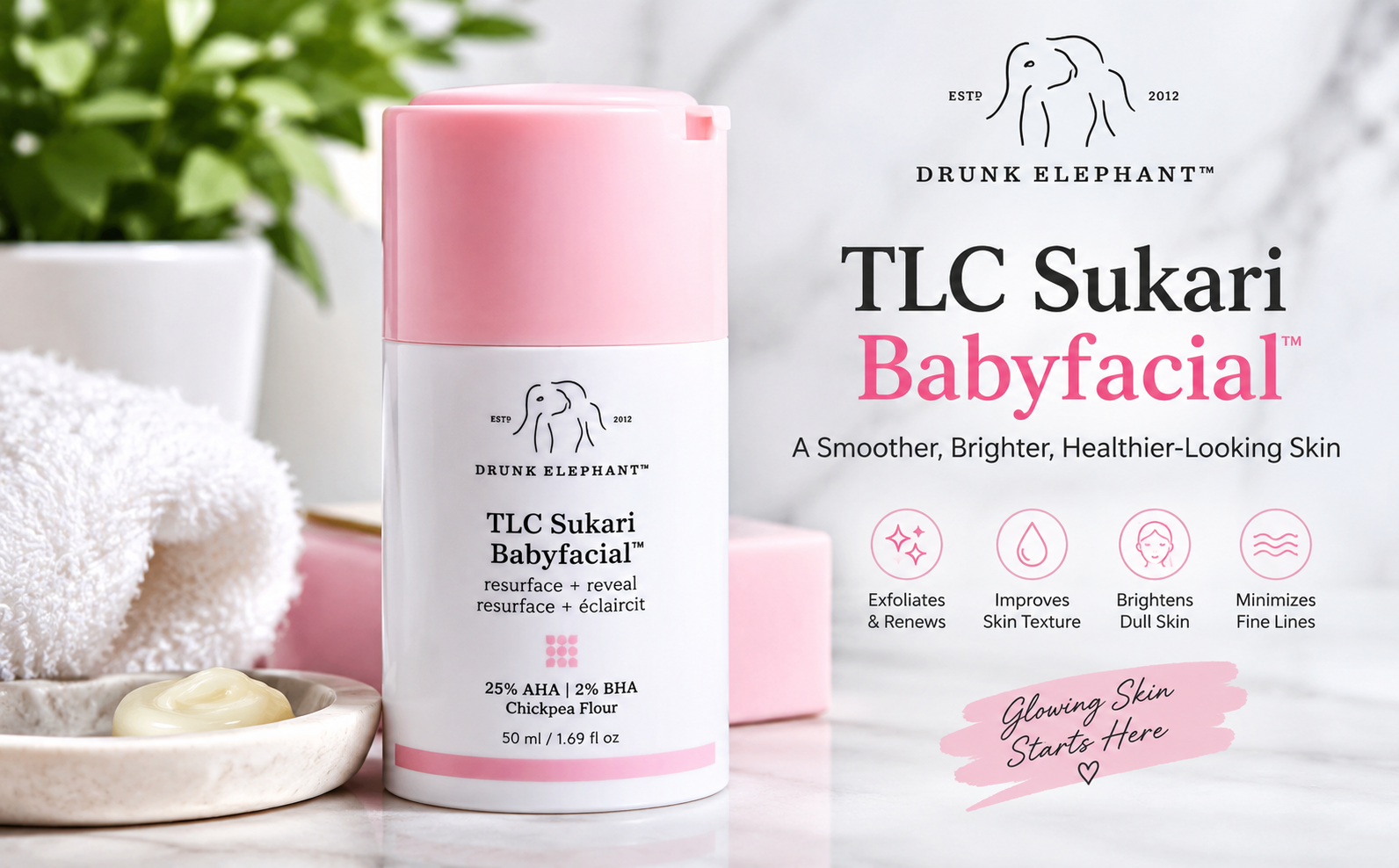
For anyone willing to spend more for a genuinely potent, spa-level treatment, this combines AHAs and BHAs in one powerful formula. It's not an everyday product — it's built for occasional, intensive use — but it delivers noticeably more dramatic results than a daily exfoliant.
How To Pick The Right One For Your Skin
Oily and acne-prone skin generally responds best to BHA-based formulas like salicylic acid, since they can actually penetrate and clear oil-clogged pores.Dry and sensitive skin does better with gentler options — lactic acid, PHA, or enzyme-based formulas — that exfoliate without stripping moisture.Combination skin can often tolerate a BHA used selectively on oilier areas, paired with a gentler formula elsewhere. And if you're exfoliating purely for a brightness boost rather than addressing a specific concern, a gentle enzyme or rice-powder formula is usually enough without the irritation risk of stronger acids.
How Often To Actually Use It
Most chemical exfoliants are best used two to three times a week rather than daily, with a handful of specifically formulated gentle options — certain PHA toners and enzyme powders — being mild enough for daily use. Physical scrubs should generally be used less often than chemical exfoliants, since repeated manual buffing carries more risk of micro-tears regardless of how fine the particles are.
The Bottom Line
There's no single "best" facial exfoliator that works universally — the right pick depends entirely on your skin type and how much exfoliation it can handle without tipping into irritation. The Sofie Pavitt scrub and SkinCeuticals glycolic treatment lead on overall dermatologist endorsement, but Cetaphil and The Ordinary prove genuinely effective exfoliation doesn't require a premium price tag to work.
Share:

Stephanie Moore
Stephanie Moore is a Content Editor at Woman With Us with 5+ years of experience in fashion, beauty, and lifestyle content. She edits and refines blogs to make them clear, engaging, and helpful for readers.
Reviews
No reviews yet!